
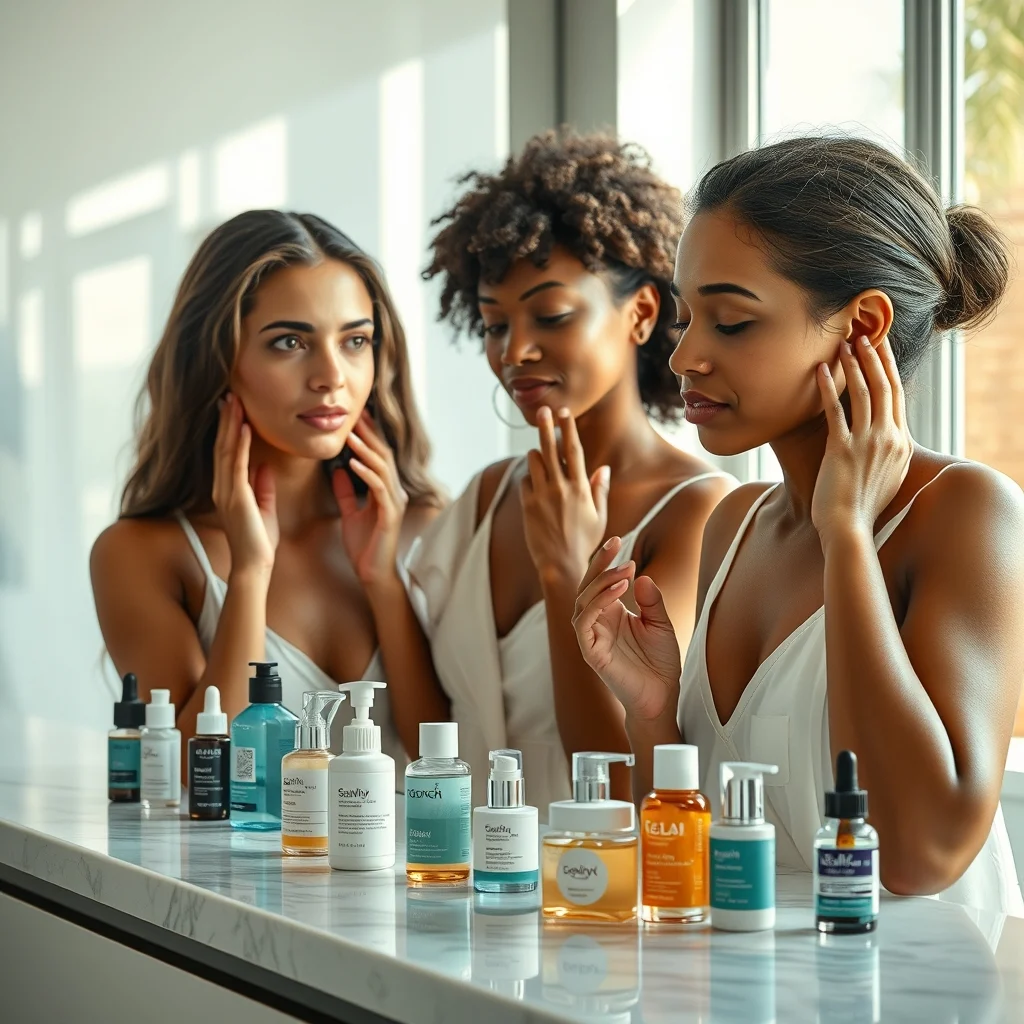
Did you know that nearly 70% of what you believe about beauty & skincare could be based on myths rather than science? From old wives’ tales to viral internet trends, misinformation spreads faster than a breakout after a sugar binge. But here’s the truth: your skin deserves better. Whether you’re battling dryness, acne, or the first signs of aging, understanding what truly works—and what doesn’t—can save you time, money, and frustration. Let’s separate fact from fiction and uncover the skincare secrets that will transform your routine for good.
The Myth of “Natural” Always Being Better
The word “natural” has become a buzzword in the beauty & skincare industry, often synonymous with safety and effectiveness. But is everything labeled “natural” really better for your skin? Not necessarily. While ingredients like aloe vera and chamomile can soothe irritation, others—such as lemon juice or baking soda—can disrupt your skin’s pH balance and cause more harm than good. The key is to focus on formulations that are backed by science, whether they’re derived from nature or a lab.
For example, synthetic hyaluronic acid is identical to the natural version your skin produces, making it a powerhouse for hydration. On the other hand, some essential oils, despite being natural, can trigger allergies or sensitivities. The takeaway? Don’t fall for marketing hype. Instead, look for products with proven ingredients that suit your skin’s unique needs.
How to Spot Misleading Claims
Brands often use clever wording to make products seem more effective than they are. Phrases like “dermatologist-tested” or “clinically proven” sound impressive, but they don’t always tell the full story. A product might be tested on a small group of people or under conditions that don’t reflect real-world use. To avoid falling into this trap, check for third-party certifications, read ingredient lists carefully, and look for reviews from trusted sources.
Another red flag is the promise of “miracle” results. If a product claims to erase wrinkles overnight or banish acne in a day, it’s likely too good to be true. Real skincare results take time, consistency, and a well-rounded routine. Be patient, and your skin will thank you.
The Truth About Exfoliation: Less Is Often More
Exfoliation is a crucial step in any beauty & skincare routine, but overdoing it can lead to irritation, redness, and even broken capillaries. Many people believe that scrubbing harder or using harsh physical exfoliants will give them smoother skin, but this approach can strip away the skin’s protective barrier. Instead, opt for gentle chemical exfoliants like AHAs (alpha hydroxy acids) or BHAs (beta hydroxy acids), which dissolve dead skin cells without abrasive scrubbing.
For most skin types, exfoliating 2-3 times a week is plenty. If you have sensitive skin, start with once a week and gradually increase frequency as your skin builds tolerance. Pay attention to how your skin reacts—if it feels tight, looks red, or stings, you’re likely over-exfoliating. Remember, healthy skin is about balance, not extremes.
Choosing the Right Exfoliant for Your Skin Type
Not all exfoliants are created equal, and what works for one person might not work for another. If you have dry or mature skin, AHAs like glycolic or lactic acid can help with hydration and fine lines. For oily or acne-prone skin, BHAs like salicylic acid penetrate deeper into pores to unclog them. Combination skin might benefit from a mix of both, but always introduce new products slowly to avoid irritation.
If you’re new to chemical exfoliants, start with a lower concentration (5-10% for AHAs, 1-2% for BHAs) and use them in the evening to avoid sun sensitivity. And don’t forget sunscreen—exfoliation makes your skin more vulnerable to UV damage, so protecting it during the day is non-negotiable.
Moisturizing: Why Your Skin Needs More Than Just Water
One of the biggest misconceptions in beauty & skincare is that drinking water is enough to keep your skin hydrated. While staying hydrated is important for overall health, it won’t replace a good moisturizer. Your skin’s outermost layer, the stratum corneum, acts as a barrier to prevent water loss. When this barrier is compromised—whether from harsh products, environmental factors, or aging—your skin loses moisture, leading to dryness, flakiness, and even breakouts.
The solution? A moisturizer tailored to your skin type. For dry skin, look for ingredients like ceramides, glycerin, or squalane, which help repair the skin barrier. Oily skin benefits from lightweight, oil-free formulas with hyaluronic acid or niacinamide. And if you have sensitive skin, opt for fragrance-free, hypoallergenic options to minimize irritation.
The Role of Humectants, Emollients, and Occlusives
Not all moisturizers work the same way. Understanding the three main types of hydrating ingredients can help you choose the right one for your skin:
- Humectants (e.g., hyaluronic acid, glycerin) draw water into the skin from the environment and deeper layers.
- Emollients (e.g., shea butter, jojoba oil) soften and smooth the skin by filling in gaps between cells.
- Occlusives (e.g., petrolatum, beeswax) create a protective seal to lock in moisture.
A well-rounded moisturizer often combines all three for maximum hydration. For example, a product with hyaluronic acid (humectant) and ceramides (emollient) topped with a thin layer of petroleum jelly (occlusive) can work wonders for dry, dehydrated skin. Experiment to find the right balance for your skin’s needs.
Sun Protection: The Non-Negotiable Step in Your Routine
If there’s one beauty & skincare step you should never skip, it’s sunscreen. UV rays are responsible for up to 80% of visible aging, including wrinkles, dark spots, and loss of elasticity. Yet, many people still skip sunscreen, either because they think they don’t need it on cloudy days or because they dislike the feel of traditional formulas. The good news? Modern sunscreens come in lightweight, non-greasy formulas that work for all skin types.
For daily use, opt for a broad-spectrum sunscreen with at least SPF 30. If you have oily skin, look for gel or fluid textures that absorb quickly. Dry skin types can benefit from moisturizing sunscreens with added hydrating ingredients. And if you wear makeup, consider a tinted sunscreen or a setting spray with SPF for extra protection. Reapply every two hours if you’re spending time outdoors, and don’t forget often-missed areas like your neck, ears, and hands.
Debunking Common Sunscreen Myths
Despite its importance, sunscreen is surrounded by myths that can lead to improper use. One of the most persistent is that people with darker skin tones don’t need sunscreen. While melanin does provide some protection against UV rays, it’s not enough to prevent sun damage or skin cancer. Everyone, regardless of skin tone, should wear sunscreen daily.
Another myth is that sunscreen causes vitamin D deficiency. While sunscreen can reduce vitamin D synthesis, most people don’t apply enough or reapply often enough to block it completely. You can still get enough vitamin D through diet, supplements, or brief, unprotected sun exposure (10-15 minutes a few times a week). When in doubt, talk to your doctor about your vitamin D levels.
Your skin is a reflection of how well you care for it, and the choices you make today will show up years down the line. By debunking myths, focusing on science-backed ingredients, and tailoring your routine to your skin’s unique needs, you’re not just investing in a temporary glow—you’re building a foundation for lifelong radiance. Start small, stay consistent, and let your skin reveal its true potential, one healthy layer at a time.
You may also like
-
Clinical Precision in Dermatology: A Multidimensional Analysis of Medical-Grade Solutions for Acne, Eczema, and Sensitive Skin Barriers
-
Targeted Actives for Sensitive Skin: A Multidimensional Analysis of Clinical Efficacy, Ingredient Synergy, and Dermatological Innovation
-
The Science of Skin Barrier Repair: Mechanisms, Therapeutic Innovations, and the Role of Lipid Replenishing Skincare in Modern Dermatology
-
The Evolving Landscape of Medical-Grade Skincare: Clinical Solutions for Acne, Eczema, and Sensitive Skin Barriers in 2024
-
The Gut-Skin-Hormone Axis: A 360-Degree Examination of Internal Triggers in Chronic Skin Conditions