
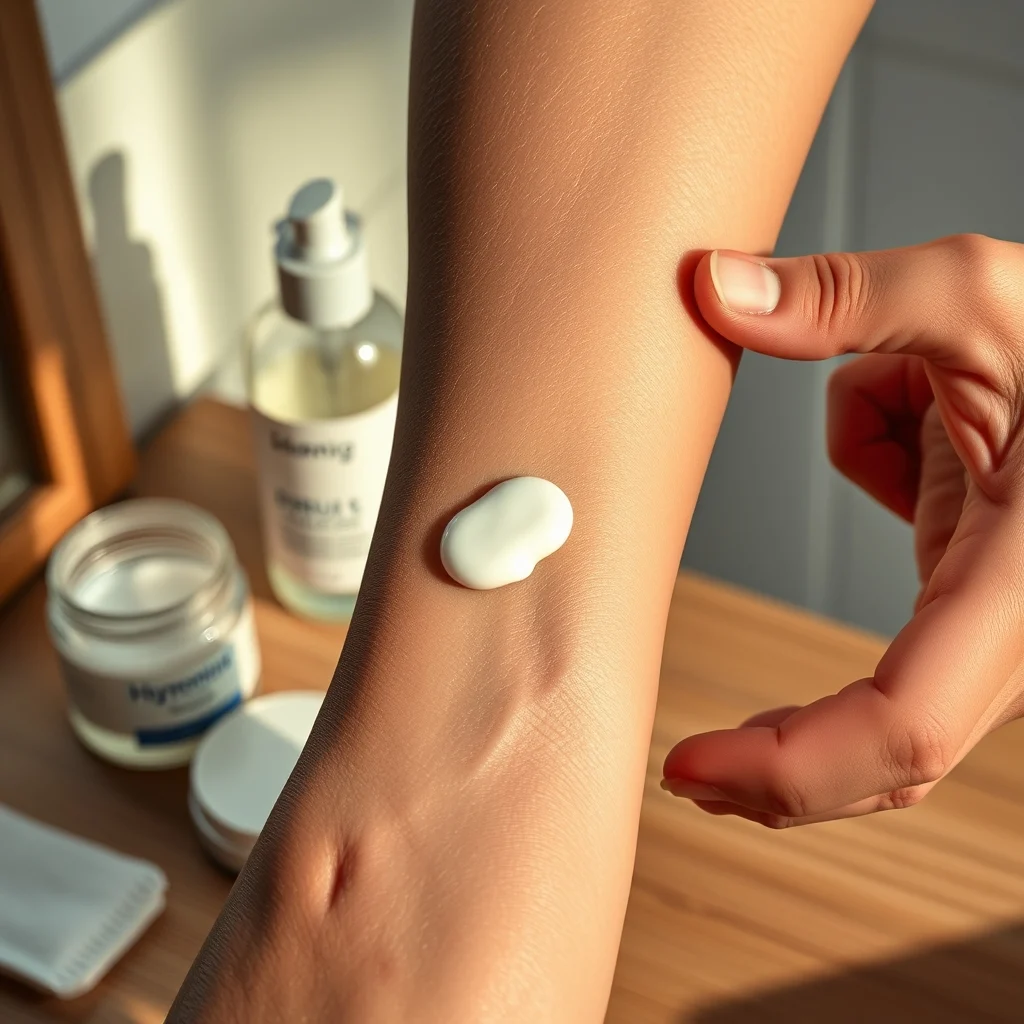
Struggling with persistent itching, redness, or dry patches can make even the simplest tasks feel overwhelming. If you’ve tried countless products and routines but still see little improvement, you might be unknowingly making common mistakes that worsen eczema and sensitive skin care. The key to relief often lies in understanding what truly works—and what doesn’t—beyond the surface-level advice.
Why Your Current Routine Might Be Failing You
Many people assume that eczema and sensitive skin care requires extreme caution, avoiding all products like they’re hazardous. While it’s true that harsh ingredients can trigger flare-ups, eliminating everything entirely isn’t the answer either. The solution involves a balanced approach: identifying triggers while still nourishing your skin. Overlooking hydration, for example, can leave your skin more prone to irritation, while relying solely on fragrance-free products might miss out on gentle yet effective actives that promote healing.
Another common misconception is that eczema and sensitive skin care means sticking to basic, boring products. In reality, modern formulations now offer soothing, barrier-repairing ingredients that can work harmoniously with sensitive skin. The trick is knowing which ones to prioritize and how to layer them correctly.
Hydration Isn’t Just About Moisturizers
Many assume that applying a thick moisturizer is enough to combat dryness, but hydration goes deeper than just the surface. For eczema and sensitive skin care, the focus should be on restoring the skin’s natural moisture barrier. Look for products with ceramides, cholesterol, and fatty acids—these help lock in hydration and prevent moisture loss. Additionally, using lukewarm water during showers and patting (rather than rubbing) your skin dry can significantly reduce irritation.
Don’t overlook the role of humectants like hyaluronic acid or glycerin. These ingredients draw water into the skin, keeping it plump and resilient. However, they work best when paired with emollients like shea butter or squalane, which seal in moisture. Without this balance, your skin may feel temporarily hydrated but still vulnerable to flare-ups.
The Role of Gentle Cleansing
One of the biggest mistakes in eczema and sensitive skin care is using harsh cleansers that strip the skin of its natural oils. Over-cleansing can disrupt the skin barrier, making it more susceptible to irritation and infection. Opt for gentle, pH-balanced cleansers that remove dirt without compromising the skin’s protective layer. Look for labels like “dermatologist-tested” or “for sensitive skin” to guide your choice.
Cleansing should be a gentle process. Massage the cleanser into damp skin with your fingertips, avoiding rough scrubbing or hot water, which can exacerbate dryness. If your skin feels tight after washing, it’s a sign that the cleanser is too harsh—switch to a milder option immediately.
When to Seek Professional Help
While self-care is essential, there are times when eczema and sensitive skin care requires professional intervention. If over-the-counter remedies aren’t providing relief after several weeks, or if your symptoms worsen, consulting a dermatologist could be the next step. They can recommend prescription-strength treatments, such as topical corticosteroids or calcineurin inhibitors, tailored to your specific needs.
Professional treatments aren’t just for severe cases. Even mild eczema can benefit from personalized advice, especially if you’re unsure about which products to use or how to manage flare-ups. A dermatologist can also help identify underlying allergies or conditions that might be contributing to your skin’s sensitivity.
Common Ingredients That Might Be Hurting Your Skin
Not all ingredients are created equal when it comes to eczema and sensitive skin care. Some commonly used actives, while effective for other skin types, can be irritating or drying for sensitive skin. Fragrances, alcohol, and synthetic dyes are well-known triggers, but even some “natural” ingredients like citrus oils or menthol can cause reactions in sensitive individuals.
Pay attention to the ingredients in your products. If you notice redness, stinging, or increased dryness after using a new item, it’s likely not the right fit. Transitioning to fragrance-free and hypoallergenic options can make a noticeable difference in reducing flare-ups. When in doubt, opt for minimalist formulations with a short ingredient list.
Building a Routine That Actually Works
Creating an effective eczema and sensitive skin care routine isn’t about following a rigid set of rules—it’s about listening to your skin. Start with a simple, two-step routine: a gentle cleanser followed by a hydrating moisturizer. Gradually introduce other products, like a soothing serum or a mild exfoliant (if tolerated), to see how your skin responds.
Consistency is key, but so is flexibility. If a product isn’t working, don’t hesitate to swap it out. What works for one person might not work for another, so tailor your routine to your skin’s unique needs. Keep a journal to track what triggers flare-ups and what brings relief—this can help you refine your approach over time.
Remember, eczema and sensitive skin care isn’t about perfection—it’s about progress. Small, intentional changes can lead to significant improvements in comfort and skin health. Start with these foundational steps, and adjust as you learn more about what your skin truly needs.
You may also like
-
Eczema & Sensitive Skin Care: Common Mistakes to Avoid for Healthier Skin
-
Eczema & Sensitive Skin Care: A Step-by-Step Guide for Soothed Skin
-
Eczema & Sensitive Skin Care: A Barrier-First Approach for Lasting Comfort
-
Eczema & Sensitive Skin Care: A Barrier-First, Skinimalism Approach
-
Eczema & Sensitive Skin Care: Quick Tips for Busy People