
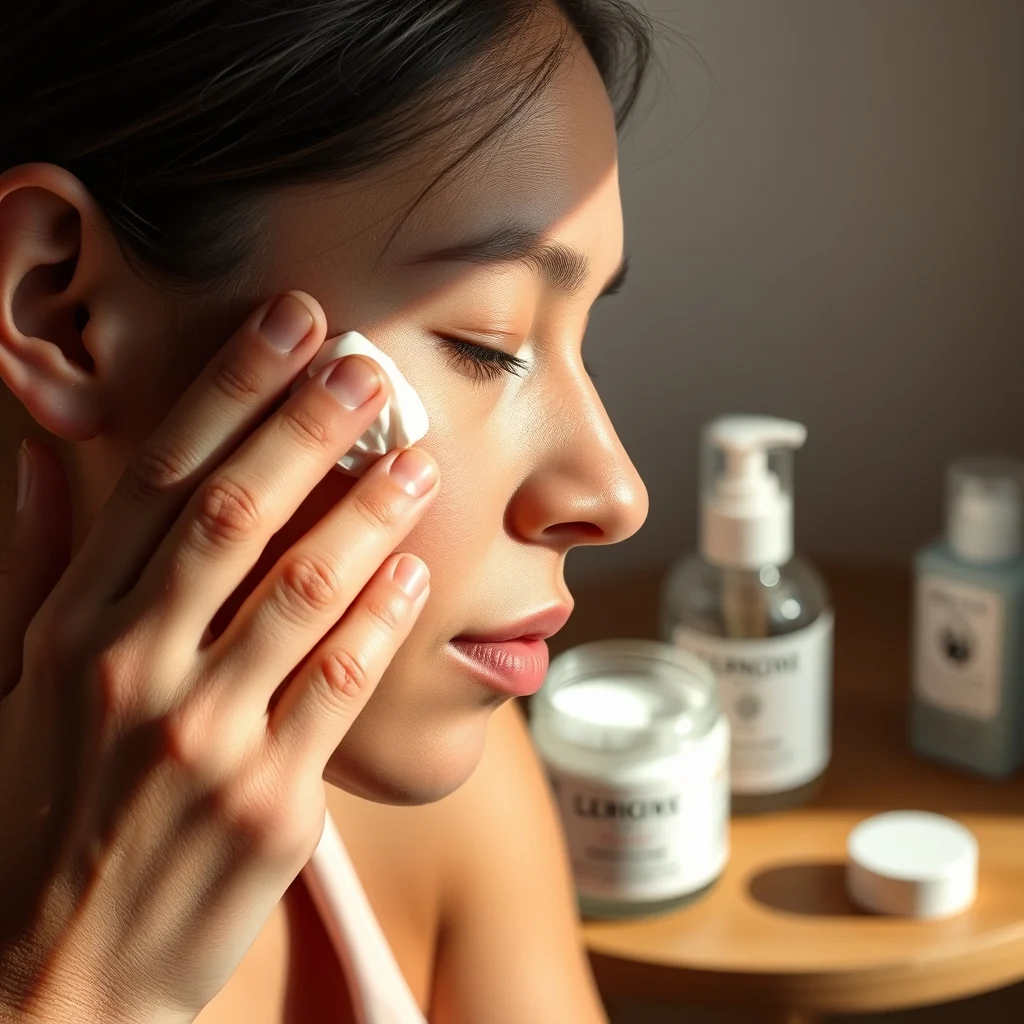
Struggling with persistent redness, irritation, or a compromised skin barrier? You’re not alone—many people find themselves stuck in a cycle of trial-and-error with skincare products that either fail to deliver or worsen their skin’s sensitivity. The key to transforming your routine lies in focusing on **problem-skin product recommendations** that prioritize repair and protection, rather than just masking symptoms.
Skincare isn’t one-size-fits-all, especially when dealing with problem skin. Whether it’s due to environmental stressors, harsh ingredients, or underlying sensitivities, your skin barrier often needs extra TLC to heal and thrive. By adopting a barrier-first approach, you can create a foundation that calms irritation, strengthens resilience, and sets the stage for long-term skin health.
Let’s explore how to build a thoughtful routine that addresses your skin’s needs without overwhelming it.
Learn more about skin barrier function from trusted dermatological resources to deepen your understanding.
Understanding Your Skin’s Barrier: The First Step to Repair
Your skin barrier acts like a protective shield, locking in moisture and keeping out irritants. When it’s compromised—often due to over-exfoliation, harsh cleansers, or environmental damage—your skin becomes more susceptible to redness, dryness, and breakouts. The goal of a barrier-first approach is to gently restore and reinforce this protective layer while avoiding ingredients that may further disrupt it.
Look for products with ceramides, hyaluronic acid, and cholesterol—these are essential components that help rebuild the skin’s natural moisture barrier. Even if your skin feels sensitive or irritated, these ingredients can provide soothing relief without causing additional irritation.
Start by identifying what’s disrupting your skin barrier. Common culprits include overuse of active ingredients like retinol or acids, frequent hot showers, and alcohol-based products. Swapping these for gentler alternatives can make a noticeable difference in just a few weeks.
Gentle Cleansing: The Foundation of a Healthy Routine
Cleansing is the cornerstone of any skincare routine, but for problem skin, it’s crucial to choose a method that cleanses without stripping the skin of its natural oils. Opt for a problem-skin product recommendations routine that includes a mild, hydrating cleanser designed for sensitive or irritated skin. Avoid foaming or sulfates, as these can exacerbate dryness and sensitivity.
Consider a cream or oil-based cleanser that dissolves impurities while maintaining your skin’s moisture balance. These formulas are typically less likely to cause irritation and can help prep your skin for better absorption of subsequent products. Consistency is key—cleanse twice daily to keep your skin clean without overdoing it.
If your skin feels tight or uncomfortable after cleansing, it’s a sign that the product may be too harsh. Listen to your skin’s cues and adjust your routine accordingly. Sometimes, less is more when it comes to maintaining a healthy barrier.
Hydration and Moisturization: Nourishing Your Skin Back to Health
Once your skin is clean, the next step is to hydrate and moisturize deeply. For problem skin, hydration isn’t just about slathering on lotion—it’s about choosing the right ingredients to penetrate and nourish the skin. Look for moisturizers that contain ceramides, squalane, or glycerin, as these help lock in moisture and strengthen the skin’s protective layer.
Hydrating serums can also be a game-changer for problem skin. A lightweight serum with hyaluronic acid can plump and soothe the skin, making it an excellent addition to your morning or nighttime routine. Apply it to damp skin to enhance absorption and maximize its benefits.
Don’t overlook the importance of sunscreen, even if your skin is sensitive. A broad-spectrum, mineral-based sunscreen can protect your skin from UV damage without causing irritation. Pairing hydration with sun protection is essential for maintaining a healthy barrier and preventing further damage.
Avoiding Common Pitfalls: What to Skip in Your Routine
While building your routine, it’s equally important to know what to avoid. Over-exfoliating, using alcohol-based toners, or layering too many active ingredients can disrupt your skin’s balance and delay healing. Problem skin often reacts poorly to harsh treatments, so patience and moderation are key.
If you’re prone to irritation, consider taking a break from actives like retinol or acids for a few weeks to let your skin recover. This doesn’t mean abandoning your routine—it means focusing on repair and gentle care until your skin is ready for more intensive treatments.
Another common mistake is skipping moisturizer, especially if your skin is oily. Even oily skin needs hydration to maintain its barrier function. Opt for oil-free or gel-based moisturizers that provide light hydration without clogging pores.
Layering Wisely: Building a Barrier-First Routine
Layering products correctly can enhance their effectiveness while minimizing irritation. Start with the thinnest consistency and build up to thicker textures. For example, apply a hydrating serum first, followed by a lightweight moisturizer, and finish with a barrier-repairing cream or oil.
If you use actives like retinol or acids, introduce them gradually and always follow with a moisturizer to counteract any potential dryness or irritation. This layering approach ensures that your skin absorbs each product effectively without feeling overwhelmed.
For those with very sensitive skin, consider a barrier-repair treatment in the evening, such as a ceramide-rich cream or a soothing gel. This can help your skin recover overnight while you sleep, leading to a calmer, more resilient complexion by morning.
When to Seek Professional Help: Knowing Your Limits
While a well-curated routine can work wonders for many, some problem skin conditions may require professional intervention. If your skin continues to show signs of irritation, persistent redness, or other concerning symptoms, it’s worth consulting a dermatologist. They can provide tailored advice and treatments that address underlying issues.
Professional treatments like chemical peels, laser therapy, or prescription-strength creams can be highly effective for stubborn problem skin. However, these should be used in conjunction with a strong at-home routine, not as a replacement. Think of them as complementary tools to help your skin achieve its best state.
Ultimately, the goal is to find a balance between at-home care and professional support. Your dermatologist can help you navigate which products and treatments align with your skin’s unique needs.
Building a routine that prioritizes repair and protection is the first step toward healthier, happier skin. By focusing on gentle yet effective products, you can create a foundation that not only calms irritation but also strengthens your skin’s resilience over time.
Start small, stay consistent, and listen to your skin—it’s the best guide to finding what works for you.
You may also like
-
Problem-Skin Product Recommendations: A Budget-Friendly Routine for Clearer Skin
-
Problem-Skin Product Recommendations: A Beginner’s Guide to Calming & Repairing Your Skin
-
Problem-Skin Product Recommendations: A Step-by-Step Guide for Busy People
-
Problem-Skin Product Recommendations: A Barrier-First, Skinimalism Approach
-
Problem-Skin Care: Panduan Rekomendasi Produk untuk Kulit Sensitif & Kering yang Nyaman Tanpa Irritasi