
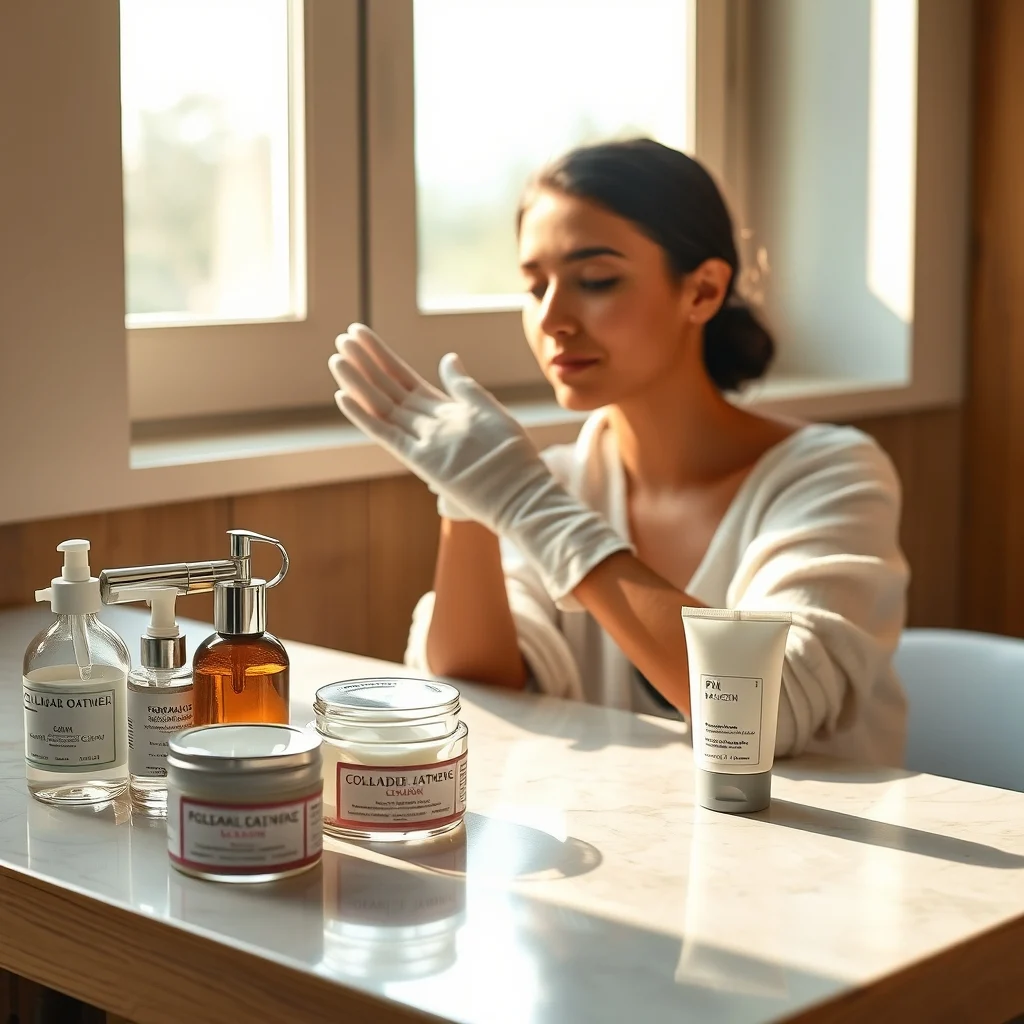
Struggling with eczema and sensitive skin can feel like navigating a minefield of trial and error. The wrong products or habits might leave you feeling more irritated, red, or itchy than before. What if there were simple yet critical mistakes you could avoid to finally find relief and restore balance to your skin?
Many people unintentionally worsen their skin conditions without realizing it. Whether it’s over-exfoliating, using harsh ingredients, or ignoring hydration, small changes can make a world of difference. Let’s explore the most common pitfalls and how to steer clear of them for healthier, happier skin.
Understanding the Root of the Problem
Sensitive skin and eczema often share a common denominator: a compromised skin barrier. This barrier is your skin’s first line of defense against irritants, bacteria, and environmental stressors. When it’s damaged, your skin becomes more vulnerable to flare-ups, redness, and discomfort. The key to managing eczema and sensitive skin lies in repairing and maintaining this barrier rather than focusing solely on symptom relief.
Identifying triggers is another critical step. These can range from certain fabrics, soaps, or even stress. Keeping a simple log of what seems to aggravate your skin can help you pinpoint patterns and make informed adjustments. For instance, switching to fragrance-free or hypoallergenic products might be a game-changer for some.
The Importance of Gentle Cleansing
One of the most frequent mistakes people make is using harsh cleansers that strip the skin of its natural oils. These cleansers often contain sulfates, alcohol, or strong fragrances, which can disrupt the skin’s pH balance and exacerbate dryness or irritation. Opt for gentle, pH-balanced cleansers designed specifically for sensitive or eczema-prone skin.
Cleansing should be a mild, soothing process, not an aggressive scrub-down. Use lukewarm water instead of hot, and avoid scrubbing your skin. Instead, gently pat it dry with a clean towel. This approach helps preserve the skin’s natural moisture barrier and reduces the risk of irritation.
Skipping Moisturization: A Big No-No
Dry skin is often a hallmark of eczema and sensitive skin conditions. Yet, many people overlook the importance of moisturizing—or worse, use products that don’t provide enough hydration. Moisturizers should be applied while the skin is still slightly damp to lock in moisture effectively. Look for creams or ointments with ingredients like ceramides, hyaluronic acid, or colloidal oatmeal, which are known for their soothing properties.
Moisturizing isn’t just about slathering on lotion; it’s about consistency. Make it a non-negotiable part of your daily routine, especially after cleansing or showering. Think of it as your skin’s daily maintenance to keep it resilient and less prone to flare-ups.
Avoid Over-Exfoliating Your Skin
Exfoliation can be a double-edged sword for sensitive skin. While it helps remove dead skin cells and promote cell turnover, overdoing it can strip the skin of its protective layers, leading to increased sensitivity and irritation. Physical exfoliants like scrubs can be particularly harsh, causing micro-tears in the skin barrier.
If you choose to exfoliate, opt for gentle chemical exfoliants like lactic acid or mandelic acid, which are milder and less likely to cause damage. Even then, limit exfoliation to once or twice a week and always follow up with a hydrating moisturizer. Your skin will thank you for the balance.
The Role of Diet and Lifestyle
While topical treatments are essential, what you put into your body matters too. Certain foods, like dairy or gluten, can trigger inflammation in some individuals, potentially worsening eczema symptoms. Keeping a food diary can help you identify any dietary triggers that might be contributing to your skin issues.
Lifestyle factors also play a role. Stress, lack of sleep, and environmental pollutants can all take a toll on sensitive skin. Incorporating stress-reduction techniques like meditation or yoga, and ensuring you get enough rest, can help support your skin’s health from within. Even small changes, like staying hydrated or wearing protective clothing outdoors, can make a noticeable difference.
Ignoring Professional Advice When Needed
While self-care is important, there are times when professional advice is invaluable. If your eczema or sensitive skin condition persists despite your best efforts, consulting a dermatologist can provide clarity and tailored solutions. They can recommend prescription-strength treatments, like topical corticosteroids or calcineurin inhibitors, which can be highly effective for managing flare-ups.
Professionals can also help you navigate the vast world of skincare products, ensuring you’re using the most suitable options for your specific needs. For example, they might suggest barrier-repairing treatments or recommend specific ingredients that align with your skin’s unique requirements. Don’t hesitate to seek expert guidance when your skin feels overwhelmed.
Managing eczema and sensitive skin is all about being mindful of the choices you make. By avoiding common mistakes like harsh cleansers, over-exfoliation, and neglecting moisturization, you can create a more supportive routine for your skin. Small, intentional adjustments can lead to significant improvements in comfort and overall skin health. Start today by reviewing your current habits and making one change at a time—your skin will respond with gratitude.
You may also like
-
Eczema & Sensitive Skin Care: A Step-by-Step Guide for Soothed Skin
-
Eczema & Sensitive Skin Care: A Barrier-First Approach for Lasting Comfort
-
Eczema & Sensitive Skin Care: A Barrier-First, Skinimalism Approach
-
Eczema & Sensitive Skin Care: Quick Tips for Busy People
-
Eczema & Sensitive Skin Care: What Most People Get Wrong