
Dealing with eczema and sensitive skin care can feel like navigating a minefield. One wrong move—whether it’s using the wrong product or skipping a crucial step—and your skin reacts with redness, itching, or flare-ups. Many people unknowingly make mistakes that worsen their condition, leaving them frustrated and stuck in a cycle of irritation. The good news? Small changes can make a big difference in calming and protecting your skin.
Overlooking the Importance of Patch Testing
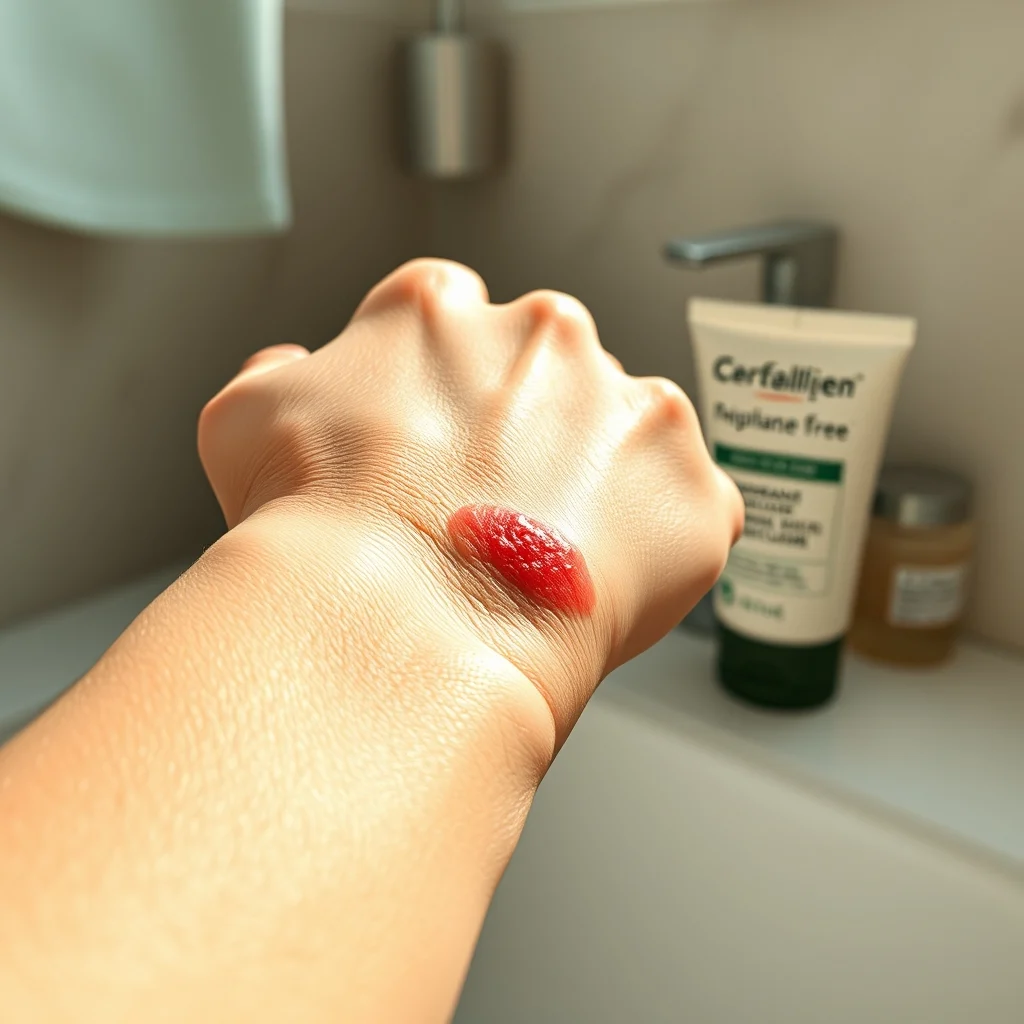
Trying a new product without patch testing is one of the most common missteps in eczema and sensitive skin care. Even if a product is labeled “hypoallergenic” or “for sensitive skin,” it may contain ingredients that trigger a reaction. Apply a small amount of the product to a discreet area, like the inside of your wrist or behind your ear, and wait 24-48 hours to check for any signs of irritation.
This simple step can save you from painful flare-ups and wasted money on products that don’t work for your skin. If you notice redness, itching, or burning, it’s a clear sign to avoid that product. Always introduce new items one at a time to pinpoint what works and what doesn’t.
Using Harsh Cleansers That Strip Natural Oils
Many people with sensitive skin assume that squeaky-clean skin is healthy skin, but this couldn’t be further from the truth. Harsh cleansers, especially those with sulfates or strong fragrances, strip away the skin’s natural oils, leaving it dry, tight, and vulnerable to irritation. This disrupts the skin barrier, making it harder for your skin to retain moisture and protect itself from external aggressors.
Opt for gentle, fragrance-free cleansers that clean without compromising your skin’s moisture barrier. Look for ingredients like ceramides, glycerin, or hyaluronic acid, which help maintain hydration. Washing with lukewarm water instead of hot can also prevent further drying and irritation.
Skipping Moisturizer After Showering
Moisturizing is a non-negotiable step in eczema and sensitive skin care, yet many people skip it or apply it at the wrong time. After showering or washing your face, your skin is most receptive to hydration. Waiting too long to apply moisturizer allows moisture to evaporate, leaving your skin dry and prone to irritation.
Keep a fragrance-free moisturizer near your shower or sink and apply it within three minutes of patting your skin dry. This locks in moisture and reinforces your skin’s protective barrier. For extra hydration, consider using an occlusive like petroleum jelly or a balm to seal in moisture overnight.
Ignoring the Role of Diet and Hydration
What you put into your body is just as important as what you put on your skin. Dehydration and certain foods can trigger inflammation, making eczema and sensitivity worse. Common culprits include dairy, gluten, and processed foods, though triggers vary from person to person. Keeping a food diary can help you identify patterns and pinpoint what might be aggravating your skin.
Drinking plenty of water throughout the day helps maintain your skin’s hydration from within. Incorporating anti-inflammatory foods like fatty fish, leafy greens, and nuts can also support healthier skin. While diet alone won’t cure eczema, it can play a significant role in managing flare-ups.
Over-Exfoliating or Using Physical Scrubs
Exfoliation can be beneficial for removing dead skin cells, but overdoing it or using harsh scrubs can damage sensitive skin. Physical scrubs with rough particles can cause micro-tears, leading to irritation and inflammation. Chemical exfoliants, like AHAs or BHAs, can also be too aggressive if used too frequently or in high concentrations.
If you exfoliate, opt for gentle chemical exfoliants like lactic acid or PHA, which are less likely to irritate. Limit exfoliation to once or twice a week, and always follow up with a soothing moisturizer. Listen to your skin—if it feels raw or sensitive, give it a break and focus on hydration and repair.
Not Protecting Skin from Environmental Triggers
Environmental factors like cold weather, wind, and pollution can wreak havoc on sensitive skin. Many people forget to adjust their eczema and sensitive skin care routine to account for these triggers, leading to unnecessary flare-ups. Cold air, for example, can dry out your skin, while wind can cause chapping and irritation.
Protect your skin by wearing gloves in cold weather, using a humidifier indoors, and applying a barrier cream before heading outside. In warmer months, sunscreen is a must—opt for mineral-based formulas with zinc oxide or titanium dioxide, which are less likely to irritate sensitive skin. Pay attention to how your skin reacts to different environments and adjust your routine accordingly.
Managing eczema and sensitive skin doesn’t have to be complicated. By avoiding these common mistakes and adopting a gentle, consistent routine, you can reduce flare-ups and enjoy calmer, healthier skin. Start with small changes, like patch testing new products or switching to a gentler cleanser, and build from there. Your skin will thank you for the extra care and attention.
For more trusted information on managing skin conditions, visit the American Academy of Dermatology.
You may also like
-
Eczema & Sensitive Skin Care: Common Mistakes to Avoid for Healthier Skin
-
Eczema & Sensitive Skin Care: A Step-by-Step Guide for Soothed Skin
-
Eczema & Sensitive Skin Care: A Barrier-First Approach for Lasting Comfort
-
Eczema & Sensitive Skin Care: A Barrier-First, Skinimalism Approach
-
Eczema & Sensitive Skin Care: Quick Tips for Busy People