
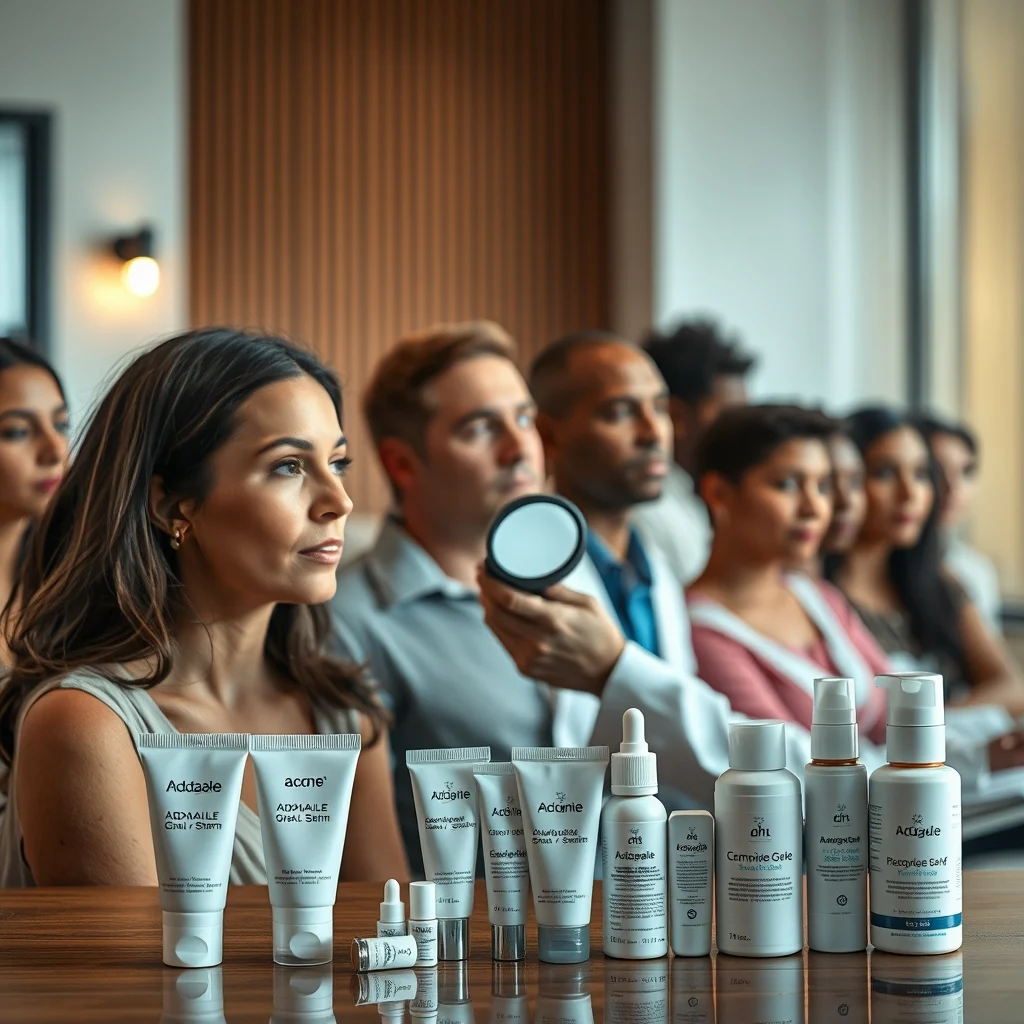
Skin conditions like acne, eczema, and sensitivity affect millions globally, often disrupting daily life and self-confidence. For those seeking long-term relief, medical acne solutions and dermatologist-backed treatments offer a path beyond temporary fixes. These conditions are not merely cosmetic—they involve complex biological mechanisms, environmental triggers, and genetic predispositions that demand a nuanced approach. As awareness grows, so does the demand for clinical acne treatment and dermatologist eczema relief, with patients increasingly turning to evidence-based therapies over anecdotal remedies.
This shift reflects a broader evolution in skincare, where medical-grade formulations are now accessible beyond clinical settings. From targeted barrier repair serums to hypoallergenic skin solutions, the market has expanded to address diverse needs. Yet, navigating these options requires understanding their mechanisms, efficacy, and limitations. Below, we examine the landscape of medical-grade skincare through a multidimensional lens, covering its development, operational science, and real-world impact.
The Rise of Medical-Grade Skincare: Historical Context and Key Stakeholders
The foundation of modern medical-grade skincare traces back to the mid-20th century, when dermatologists began collaborating with pharmaceutical companies to develop prescription-strength treatments. Early breakthroughs included retinoids for acne and topical steroids for eczema, which set the stage for today’s advanced formulations. By the 1990s, the introduction of non-steroidal anti-inflammatory agents and ceramide-based moisturizers revolutionized sensitive skin restoration, offering alternatives for patients intolerant to traditional therapies.
Key stakeholders in this ecosystem include:
- Dermatologists: Primary prescribers of medical-grade treatments, they tailor regimens based on individual diagnoses. Dr. Emma Guttman-Yassky, a leading eczema researcher, notes, “The shift toward precision medicine in dermatology has allowed us to target specific immune pathways, particularly in chronic eczema care.”
- Pharmaceutical Companies: Brands like Galderma, Allergan, and La Roche-Posay invest heavily in R&D to refine clinical treatment for rosacea and other conditions. Their pipelines often prioritize formulations with minimal side effects, such as redness relief serums with azelaic acid.
- Patients: Advocacy groups like the National Eczema Association and the Acne and Rosacea Society have pushed for greater access to dermatologist-tested acne creams and insurance coverage for medical-grade therapies.
- Regulatory Bodies: The FDA and EMA classify medical-grade skincare products based on active ingredients and intended use. For example, adapalene (a retinoid) is available over-the-counter for acne, while higher-strength tretinoin remains prescription-only.
How Medical-Grade Skincare Works: Mechanisms and Formulations
Unlike over-the-counter products, medical-grade skincare leverages higher concentrations of active ingredients and advanced delivery systems to penetrate deeper skin layers. The mechanisms vary by condition:
Acne
Clinical treatments target four primary factors: excess sebum production, clogged pores, bacterial overgrowth (Cutibacterium acnes), and inflammation. Prescription options include:
- Retinoids (tretinoin, adapalene): Normalize skin cell turnover to prevent clogged pores. A 2022 study in the Journal of the American Academy of Dermatology found that adapalene reduced inflammatory lesions by 60% over 12 weeks.
- Antibiotics (clindamycin, doxycycline): Reduce bacterial load and inflammation. However, rising antibiotic resistance has led to stricter guidelines, with the American Academy of Dermatology recommending short-term use only.
- Hormonal therapies (spironolactone, oral contraceptives): Block androgen receptors to decrease sebum production, particularly effective for adult female acne.
Eczema
Dermatologist eczema relief focuses on repairing the skin barrier and modulating immune responses. Key ingredients include:
- Topical calcineurin inhibitors (tacrolimus, pimecrolimus): Suppress immune-mediated inflammation without the side effects of steroids. A 2021 meta-analysis in JAMA Dermatology confirmed their efficacy in reducing flare-ups by 50% in pediatric patients.
- Ceramides and cholesterol: Restore the lipid barrier, critical for targeted barrier repair. CeraVe, a brand developed with dermatologists, uses a 3:1:1 ceramide-cholesterol-fatty acid ratio to mimic healthy skin.
- Dupilumab (biologic): A monoclonal antibody targeting interleukin-4 and interleukin-13, approved for moderate-to-severe eczema. Clinical trials showed 75% of patients achieved clear or almost-clear skin after 16 weeks.
Sensitive Skin and Rosacea
For conditions like rosacea, medical-grade rosacea relief often combines anti-inflammatory and vasoconstrictive agents. Common treatments include:
- Ivermectin (Soolantra): Targets Demodex mites, a contributor to rosacea. A 2020 study in Dermatologic Therapy reported a 70% reduction in inflammatory lesions after 12 weeks.
- Brimonidine (Mirvaso): A topical gel that constricts blood vessels to reduce redness within 30 minutes. Effects last up to 12 hours but may cause rebound redness in some patients.
- Azelaic acid (Finacea): A dual-action ingredient that reduces inflammation and normalizes keratinization. It’s also effective for soothing sensitive complexion in patients with post-inflammatory hyperpigmentation.
Quantitative Data: Efficacy and Market Trends
The global medical-grade skincare market was valued at $14.3 billion in 2023 and is projected to grow at a CAGR of 8.2% through 2030, driven by rising chronic skin condition rates and consumer demand for clinical acne treatment. Below are key statistics:
| Condition | Prevalence (Global) | Top Medical-Grade Treatment | Efficacy Rate (Clinical Trials) |
|---|---|---|---|
| Acne | 9.4% (650 million) | Adapalene + Benzoyl Peroxide | 71% lesion reduction (12 weeks) |
| Eczema | 10-20% (children), 1-3% (adults) | Dupilumab | 67% achieved EASI-75 (16 weeks) |
| Rosacea | 5.5% (415 million) | Ivermectin 1% cream | 78% reduction in inflammatory lesions (12 weeks) |
Patient adherence remains a challenge. A 2023 survey by the American Academy of Dermatology found that 40% of acne patients discontinued treatment within three months due to irritation or perceived lack of results. For eczema, non-adherence to topical therapies reaches 50%, often due to greasiness or time-consuming application routines.
Systemic Impacts: Beyond the Skin
The consequences of chronic skin conditions extend to mental health, productivity, and healthcare costs. A 2022 study in The Lancet Psychiatry linked severe acne to a 63% higher risk of depression, while eczema patients face a 44% increased likelihood of anxiety disorders. Economically, the annual cost of acne in the U.S. alone exceeds $3 billion, including direct medical expenses and lost productivity.
Medical-grade skincare can mitigate these impacts. For example, a 2021 National Eczema Association report found that patients using medical-grade eczema care saw a 30% reduction in emergency room visits and a 25% improvement in work attendance. Similarly, dermatologist-formulated acne care has been shown to improve quality-of-life scores by 40% over six months.
Stakeholder Perspectives: Conflicts and Consensus
While medical-grade skincare offers proven benefits, stakeholders often clash over access, affordability, and innovation priorities.
Dermatologists
“The biggest gap is education,” says Dr. Shari Marchbein, a board-certified dermatologist. “Patients often self-diagnose and turn to unregulated online products, which can worsen conditions like rosacea or sensitive skin. Medical-grade options are rigorously tested, but cost and insurance barriers limit access.”
Pharmaceutical Industry
Industry representatives emphasize the need for continued innovation. “We’re exploring microbiome-based therapies and gene-targeted treatments,” says a spokesperson for Pfizer’s dermatology division. “However, the FDA’s stringent approval process can delay patient access to breakthroughs.”
Patients
Patient advocacy groups highlight disparities in care. “Low-income and rural communities often lack access to dermatologists,” notes a representative from the Acne and Rosacea Society. “Telemedicine has helped, but insurance coverage for medical-grade treatments remains inconsistent.”
Regulators
The FDA has faced criticism for its slow approval of new eczema and acne drugs. However, a 2023 statement clarified: “Our priority is safety. While we expedite reviews for novel biologics, we cannot compromise on long-term data.”
The skincare industry also grapples with misinformation. A 2022 study in JAMA Network Open found that 68% of social media influencers promoted unproven acne treatments, often without disclosing financial ties to brands. This underscores the need for evidence-based education on clinical acne treatment and sensitive skin remedy options.
As research advances, the future of medical-grade skincare may lie in personalized medicine. Genetic testing for acne susceptibility and microbiome analysis for eczema are already in development, promising tailored solutions for chronic eczema care and other conditions. Meanwhile, regulatory agencies are expected to release updated guidelines on over-the-counter retinoids by 2025, potentially expanding access to dermatologist-tested acne creams. For patients, the key remains collaboration with healthcare providers to navigate the evolving landscape of medical-grade skincare, ensuring treatments align with their unique needs and lifestyles.
You may also like
-
Clinical Precision in Dermatology: A Multidimensional Analysis of Medical-Grade Solutions for Acne, Eczema, and Sensitive Skin Barriers
-
Targeted Actives for Sensitive Skin: A Multidimensional Analysis of Clinical Efficacy, Ingredient Synergy, and Dermatological Innovation
-
The Science of Skin Barrier Repair: Mechanisms, Therapeutic Innovations, and the Role of Lipid Replenishing Skincare in Modern Dermatology
-
The Evolving Landscape of Medical-Grade Skincare: Clinical Solutions for Acne, Eczema, and Sensitive Skin Barriers in 2024
-
The Gut-Skin-Hormone Axis: A 360-Degree Examination of Internal Triggers in Chronic Skin Conditions