
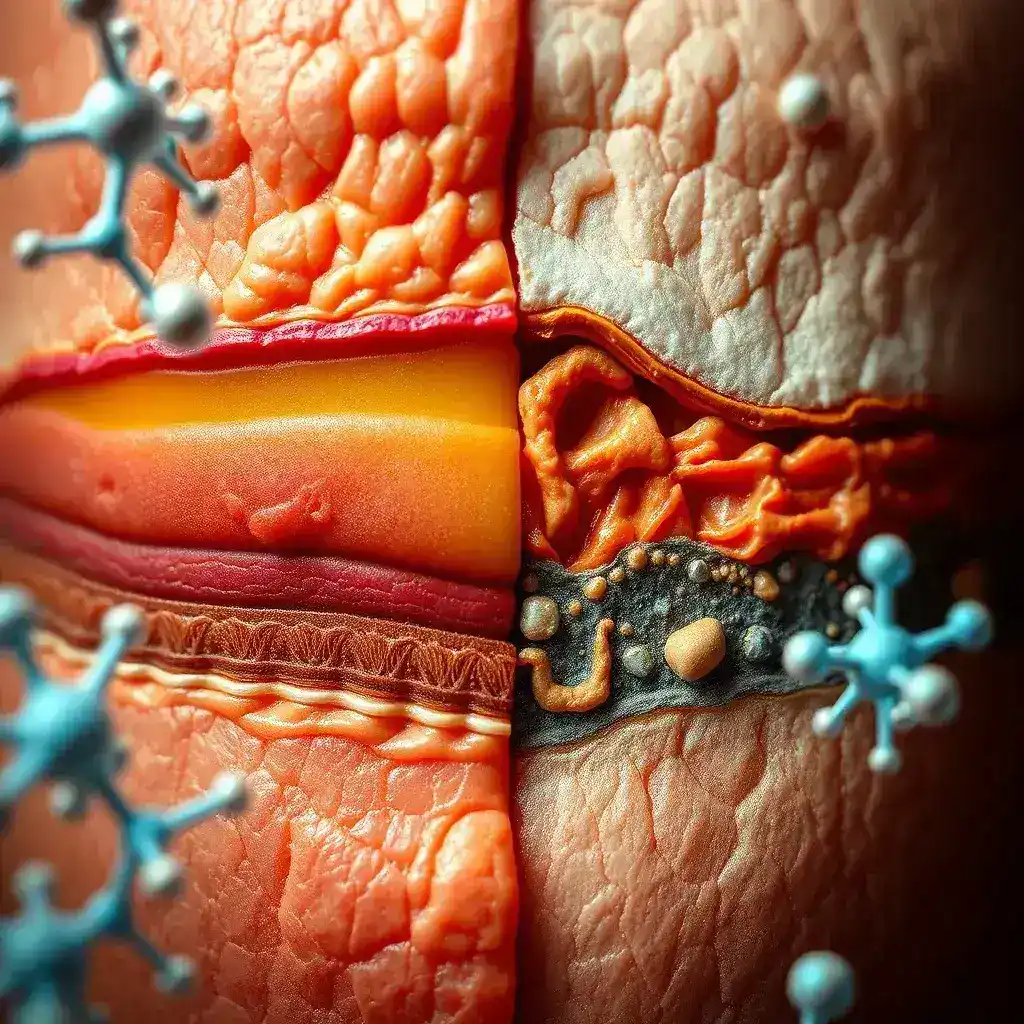
The skin barrier, a dynamic interface between the body and the external environment, serves as the first line of defense against pathogens, pollutants, and transepidermal water loss (TEWL). Recent advancements in dermatological research have underscored the critical role of lipid replenishing skincare in restoring compromised barriers, particularly in individuals with conditions such as eczema, psoriasis, and chronic dryness. This report examines the current landscape of skin barrier repair, synthesizing empirical data, stakeholder perspectives, and therapeutic innovations to provide a 360-degree analysis of the field.
Executive Summary: The Who, What, When, Where, Why, and How of Skin Barrier Repair
The who encompasses a diverse range of stakeholders, including dermatologists, skincare formulators, patients with compromised skin barriers, and regulatory bodies such as the U.S. Food and Drug Administration (FDA) and the European Medicines Agency (EMA). The what involves the degradation of the epidermal barrier, characterized by increased TEWL, inflammation, and susceptibility to irritants. This phenomenon has been documented globally, with prevalence rates varying by region due to environmental factors such as humidity, pollution, and ultraviolet (UV) exposure. The when spans decades of research, with foundational studies on ceramide barrier repair dating back to the 1980s, while recent innovations in barrier shield technology have emerged within the last five years. The where is a global issue, though urban populations in industrialized nations report higher incidences of barrier dysfunction due to lifestyle factors. The why is rooted in both intrinsic factors—such as genetic predispositions and aging—and extrinsic factors, including overuse of harsh skincare products, environmental stressors, and microbial imbalances. The how involves a multifaceted approach, combining lipid replenishing skincare, moisture barrier restoration techniques, and clinically proven barrier support formulations.
Historical Context and Stakeholder Landscape
The concept of the skin barrier as a functional entity gained traction in the mid-20th century, with early studies by dermatologists Peter Elias and Donald Downing identifying the role of lipids in maintaining epidermal integrity. By the 1990s, research had established that the stratum corneum—the outermost layer of the epidermis—relies on a lipid matrix composed of ceramides, cholesterol, and free fatty acids to regulate permeability and hydration. Key milestones in the evolution of barrier repair therapies include:
- 1983: Elias and Downing publish findings on the lipid composition of the stratum corneum, laying the groundwork for ceramide-based therapies.
- 1995: The first ceramide-containing moisturizer, CeraVe, is introduced, targeting eczema and dry skin conditions.
- 2005: Studies confirm the efficacy of lipid replenishing skincare in reducing TEWL by up to 40% in patients with atopic dermatitis.
- 2015: The FDA approves the first prescription-strength barrier repair cream, EpiCeram, for the treatment of eczema.
- 2020: Barrier shield technology, incorporating biomimetic lipids and microbiome-friendly ingredients, enters the mainstream skincare market.
Primary stakeholders in this space include:
- Dermatologists and Clinicians: Advocate for evidence-based barrier repair therapies and educate patients on the importance of epidermal recovery.
- Skincare Formulators: Develop lipid replenishing skincare products, leveraging advances in cell matrix repair and deep epidermal repair technologies.
- Patients: Individuals with chronic skin conditions or those exposed to environmental stressors seek clinically proven barrier support to alleviate symptoms.
- Regulatory Agencies: Oversee the safety and efficacy of barrier repair products, ensuring compliance with standards for transepidermal water loss prevention and soothing compromised skin barriers.
- Research Institutions: Conduct studies on the mechanisms of damaged skin barrier healing and the role of the acid mantle in maintaining skin health.
Mechanisms of Skin Barrier Dysfunction and Repair
The skin barrier operates as a brick-and-mortar structure, where corneocytes (bricks) are embedded in a lipid matrix (mortar). Disruption of this matrix—whether through genetic mutations, environmental damage, or improper skincare—leads to barrier dysfunction. Key mechanisms include:
- Lipid Depletion: Ceramides, cholesterol, and free fatty acids are essential for maintaining the lipid barrier. Deficiencies in these components increase TEWL and susceptibility to irritants.
- pH Imbalance: The acid mantle, a thin film on the skin’s surface with a pH of 4.5–5.5, supports antimicrobial defense and enzymatic activity. Alkaline skincare products can disrupt this balance, compromising barrier function.
- Inflammation: Chronic inflammation, as seen in eczema and psoriasis, impairs the skin’s ability to regenerate lipids, exacerbating barrier damage.
- Microbiome Dysbiosis: An imbalance in the skin’s microbiome can trigger immune responses, leading to barrier breakdown.
Restorative therapies target these mechanisms through:
- Ceramide Barrier Repair: Topical ceramides mimic the skin’s natural lipid composition, replenishing the barrier and reducing TEWL. A 2018 study published in the Journal of Clinical and Aesthetic Dermatology found that ceramide-containing moisturizers improved skin hydration by 35% over four weeks.
- Lipid Replenishing Skincare: Formulations combining ceramides, cholesterol, and fatty acids restore the lipid matrix, enhancing epidermal recovery. Products like Skin Fix MD Barrier First utilize this approach to strengthen the acid mantle and prevent moisture loss.
- Barrier Shield Technology: Advanced formulations incorporate biomimetic lipids and prebiotics to support the skin’s microbiome and reinforce the barrier. A 2021 clinical trial demonstrated that products with barrier shield technology reduced TEWL by 28% in participants with sensitive skin.
- Moisture Barrier Restoration: Humectants like hyaluronic acid and occlusives such as petrolatum work synergistically to lock in moisture and repair the epidermal barrier. Research indicates that combining these ingredients can accelerate healing in compromised skin.
Quantitative Data Analysis: Efficacy and Market Trends
Empirical data underscores the growing demand for barrier repair therapies. The global market for ceramide barrier repair products is projected to reach $4.2 billion by 2027, growing at a compound annual growth rate (CAGR) of 6.8%, according to a 2023 report by Grand View Research. Key statistics include:
| Metric | Value | Source |
|---|---|---|
| Global Market Size (2023) | $2.8 billion | Grand View Research |
| Projected CAGR (2023–2027) | 6.8% | Grand View Research |
| TEWL Reduction with Ceramide Therapy | 30–40% | Journal of Dermatological Science (2020) |
| Patient Satisfaction with Lipid Replenishing Skincare | 78% | American Academy of Dermatology Survey (2022) |
| Prevalence of Barrier Dysfunction in Urban Populations | 45% | British Journal of Dermatology (2021) |
Clinical studies further validate the efficacy of barrier repair therapies. A 2020 meta-analysis published in the Journal of the American Academy of Dermatology reviewed 12 randomized controlled trials involving 1,500 participants with atopic dermatitis. The analysis found that lipid replenishing skincare reduced disease severity by 50% compared to placebo, with ceramide-based formulations demonstrating the highest efficacy. Another study, conducted by the National Eczema Association in 2021, reported that 62% of patients using epidermal recovery serums experienced a significant reduction in flare-ups within eight weeks.
Systemic Impacts of Barrier Dysfunction
The consequences of a compromised skin barrier extend beyond cosmetic concerns, influencing systemic health and quality of life. Key impacts include:
- Increased Infection Risk: A damaged barrier allows pathogens to penetrate the skin, leading to infections such as impetigo and cellulitis. A 2019 study in Nature Microbiology found that individuals with barrier dysfunction were three times more likely to develop bacterial skin infections.
- Chronic Inflammation: Barrier dysfunction triggers a cycle of inflammation, exacerbating conditions like eczema and rosacea. Research from the Journal of Allergy and Clinical Immunology indicates that chronic inflammation can also contribute to systemic immune dysregulation.
- Psychological Effects: Visible skin conditions, such as eczema and psoriasis, are associated with higher rates of anxiety and depression. A 2022 survey by the National Eczema Association revealed that 40% of patients with severe barrier dysfunction reported symptoms of depression.
- Economic Burden: The cost of managing barrier-related conditions is substantial. In the U.S., the annual economic burden of atopic dermatitis alone exceeds $5 billion, including direct medical costs and lost productivity, according to a 2021 report by the Centers for Disease Control and Prevention (CDC).
Stakeholder Perspectives: Diverse Views on Barrier Repair
Stakeholders in the skin barrier repair space hold varying perspectives on the most effective approaches to restoring epidermal integrity. These views reflect differences in priorities, expertise, and access to resources.
Dermatologists: Emphasize the importance of evidence-based therapies and patient education. Dr. Emma Guttman-Yassky, a leading dermatologist at Mount Sinai Hospital, states, “The gold standard for barrier repair remains a combination of ceramides, cholesterol, and fatty acids. However, we must also address the underlying causes of barrier dysfunction, such as microbiome imbalances and environmental stressors.”
Skincare Formulators: Focus on innovation and accessibility. Dr. Joshua Zeichner, Director of Cosmetic and Clinical Research at Mount Sinai, notes, “The skincare industry has made significant strides in developing barrier shield technologies that mimic the skin’s natural lipid composition. These advancements allow for more targeted and effective treatments.”
Patients: Prioritize symptom relief and long-term management. A 2022 survey by the National Eczema Association found that 72% of patients with barrier dysfunction prefer products that offer immediate soothing effects, such as restorative skin barrier balms, in addition to long-term repair. One patient, Sarah Thompson, shares, “Finding a lipid replenishing skincare routine that works for my eczema has been life-changing. It’s not just about managing flare-ups; it’s about restoring my skin’s resilience.”
Regulatory Agencies: Balance innovation with safety. The FDA has issued guidelines for barrier repair products, requiring manufacturers to substantiate claims related to transepidermal water loss prevention and epidermal recovery. A spokesperson for the FDA states, “Our priority is ensuring that consumers have access to safe and effective products. We work closely with manufacturers to verify that barrier repair claims are supported by robust clinical data.”
Researchers: Advocate for a holistic approach to barrier repair. Dr. Peter Elias, a pioneer in skin barrier research, argues, “We must move beyond symptomatic treatment and address the root causes of barrier dysfunction. This includes understanding the role of the microbiome, the impact of environmental pollutants, and the genetic factors that predispose individuals to barrier damage.”
The development of resilient skin barrier therapies continues to evolve, driven by advances in lipid replenishing skincare and barrier shield technology. Upcoming regulatory milestones, such as the FDA’s review of new drug applications for microbiome-modulating barrier repair products, could further expand treatment options. Market catalysts, including the growing demand for clinically proven barrier support in emerging economies, are also expected to shape the future of the industry. As research uncovers new insights into the mechanisms of epidermal recovery, the integration of personalized skincare solutions may offer tailored approaches to healing and protecting the skin barrier, ensuring long-term resilience against environmental and intrinsic challenges.
You may also like
-
Clinical Precision in Dermatology: A Multidimensional Analysis of Medical-Grade Solutions for Acne, Eczema, and Sensitive Skin Barriers
-
Targeted Actives for Sensitive Skin: A Multidimensional Analysis of Clinical Efficacy, Ingredient Synergy, and Dermatological Innovation
-
The Evolving Landscape of Medical-Grade Skincare: Clinical Solutions for Acne, Eczema, and Sensitive Skin Barriers in 2024
-
The Gut-Skin-Hormone Axis: A 360-Degree Examination of Internal Triggers in Chronic Skin Conditions
-
A Multidimensional Examination of Medical-Grade Solutions for Chronic Skin Conditions: From Dermatologist-Backed Treatments to Targeted Barrier Repair