
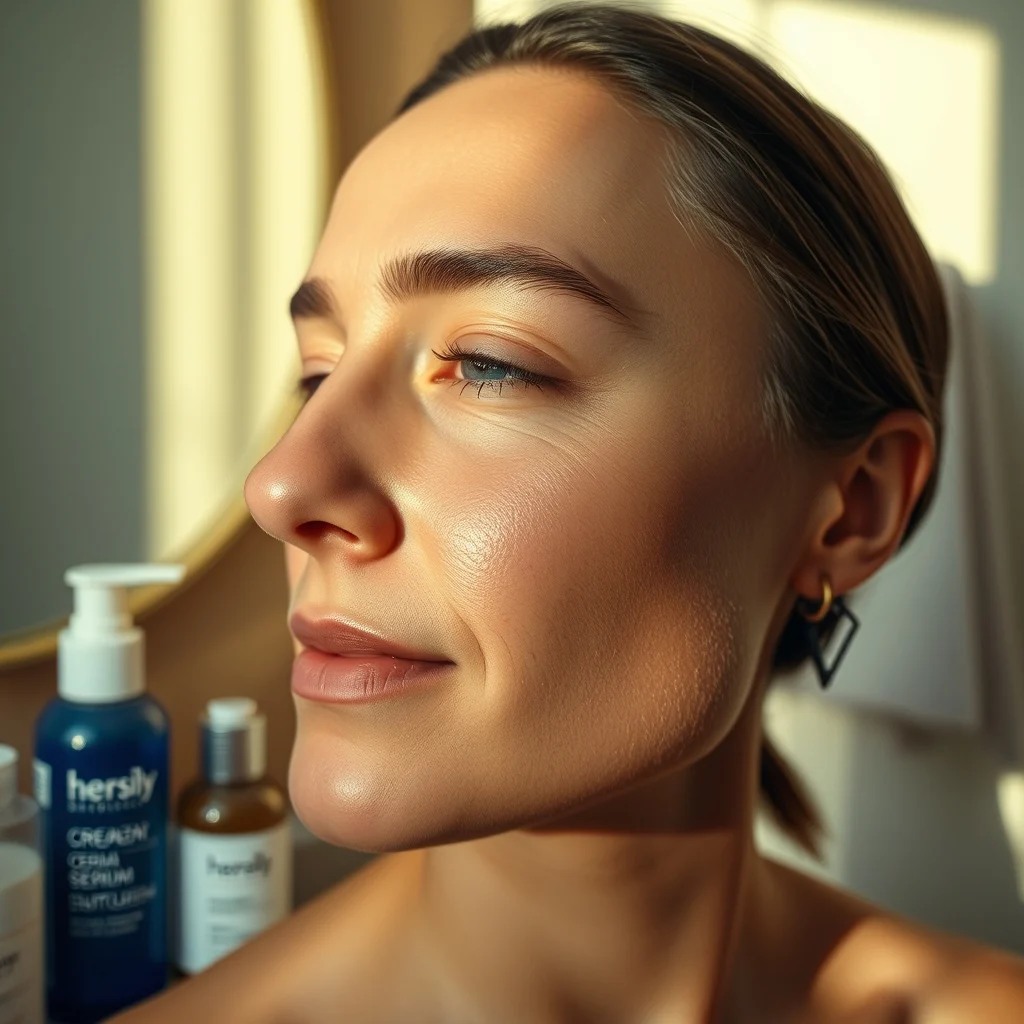
Struggling with redness, tightness, or unpredictable flare-ups? You’re not alone—**problem-skin product recommendations** often overlook the foundation of healthy skin: a strong moisture barrier. When this protective layer is compromised, even the gentlest products can feel like sandpaper. The good news? A barrier-first routine doesn’t require a 10-step regimen or a hefty budget. It’s about choosing the right ingredients and simplifying your approach to let your skin heal naturally.
Why a Barrier-First Approach Works for Problem Skin
Your skin’s barrier is like a brick wall—when the mortar (lipids) weakens, irritants sneak in while hydration escapes. This leads to sensitivity, dryness, or even breakouts. Instead of stripping your skin with harsh actives, a barrier-first routine focuses on repairing and maintaining this protective layer. Think of it as giving your skin the tools to defend itself, rather than constantly putting out fires.
Look for products with ceramides, cholesterol, and fatty acids. These ingredients mimic your skin’s natural lipids, helping to restore balance. A simple cleanser, hydrating serum, and moisturizer with these components can make a noticeable difference in just a few weeks. The key is consistency—your skin didn’t become sensitive overnight, and it won’t heal that way either.
Cleansers That Won’t Strip Your Skin
The wrong cleanser can undo all your hard work before your routine even begins. Foaming washes with sulfates or alcohol might leave your skin feeling “squeaky clean,” but they also strip away essential oils. For problem skin, opt for cream or lotion cleansers that dissolve impurities without disrupting your barrier.
Micellar water is another gentle option, especially for those who wear makeup or sunscreen daily. It lifts away debris without rinsing, making it ideal for sensitive skin or lazy evenings. If you prefer a traditional wash, choose one with a pH close to your skin’s natural level (around 5.5) to maintain harmony.
Hydration Without the Heavy Feel
Hydration doesn’t have to mean slathering on a thick cream that leaves a greasy residue. Lightweight serums with hyaluronic acid or glycerin can deliver moisture deep into the skin without clogging pores. These humectants draw water from the air and deeper layers of your skin, plumping it from within.
Layering is key here. Apply your serum to damp skin to lock in extra moisture, then follow with a moisturizer to seal it all in. For oily or combination skin, gel-based formulas work well, while drier skin types might prefer a richer cream. The goal is to quench your skin’s thirst without overwhelming it.
Moisturizers That Repair While You Sleep
Nighttime is when your skin goes into repair mode, making it the perfect opportunity to reinforce your barrier. Look for moisturizers with niacinamide, a multitasking ingredient that soothes inflammation and strengthens the skin’s defenses. It’s gentle enough for daily use and pairs well with other actives like peptides or panthenol.
If your skin feels tight or flaky, a moisturizer with squalane or shea butter can provide the extra nourishment it craves. These emollients soften rough patches and create a protective seal, so your skin wakes up calm and comfortable. Avoid fragrances or essential oils, which can trigger irritation—your skin doesn’t need the extra stress.
Sunscreen: The Non-Negotiable Step
No barrier-first routine is complete without sunscreen. UV rays are one of the biggest threats to your skin’s health, breaking down collagen and weakening your barrier over time. Even if you spend most of your day indoors, incidental exposure adds up. The American Academy of Dermatology recommends a broad-spectrum SPF of at least 30, applied every morning.
For problem skin, mineral sunscreens with zinc oxide or titanium dioxide are often the best choice. They sit on top of the skin, reflecting UV rays without absorbing into pores. If you struggle with white cast, tinted formulas can blend seamlessly while providing extra coverage. Reapply every two hours if you’re outside, and don’t forget areas like your neck and hands.
Simplifying Your Routine for Long-Term Success
Less is often more when it comes to problem skin. Overloading your routine with too many products can confuse your skin and lead to irritation. Start with the basics: a gentle cleanser, hydrating serum, moisturizer, and sunscreen. Once your skin adjusts, you can gradually introduce targeted treatments like exfoliants or masks, but always patch-test first.
Listen to your skin—it will tell you what it needs. If a product stings, burns, or leaves your skin feeling worse, it’s not the right fit. The goal isn’t perfection; it’s progress. With a barrier-first approach, you’re not just treating symptoms—you’re building a foundation for healthier, happier skin.
Your skin’s resilience starts with the choices you make today. Whether you’re dealing with dryness, redness, or sensitivity, a simplified routine focused on repair can transform how your skin looks and feels. Start small, stay consistent, and let your skin’s natural glow shine through.
You may also like
-
Problem-Skin Product Recommendations: A Budget-Friendly Routine for Clearer Skin
-
Problem-Skin Product Recommendations: A Barrier-First Approach for Lasting Comfort & Repair
-
Problem-Skin Product Recommendations: A Beginner’s Guide to Calming & Repairing Your Skin
-
Problem-Skin Product Recommendations: A Step-by-Step Guide for Busy People
-
Problem-Skin Product Recommendations: A Barrier-First, Skinimalism Approach