
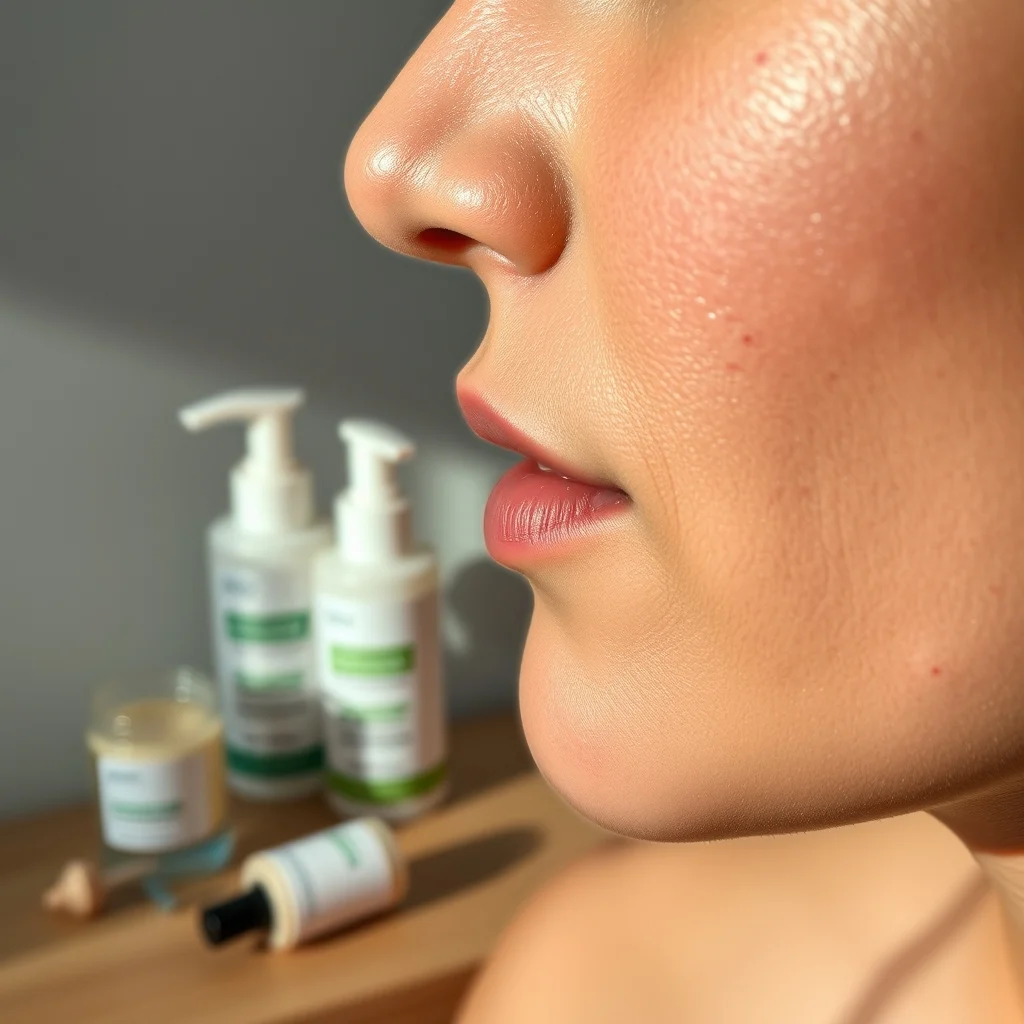
Struggling with persistent redness, irritation, or breakouts that just won’t quit? You’re not alone—**problem-skin product recommendations** can feel overwhelming, especially when you’re unsure where to start. The good news is that with the right approach, you can soothe your skin and build a routine that works without breaking the bank or complicating your daily life.
Whether your skin reacts to ingredients, feels tight and dry, or just needs a gentle reset, this guide will help you navigate the world of skincare products with confidence. We’ll break down essential steps, highlight key ingredients to look for, and share practical tips to avoid common pitfalls. By the end, you’ll have a clear roadmap to healthier, happier skin—without the guesswork.
Understanding Problem Skin: What Triggers Irritation?
Problem skin often reacts to environmental factors like pollution, harsh weather, or even over-exfoliation. Ingredients such as fragrances, alcohol, or strong acids can exacerbate sensitivity, leaving your skin feeling inflamed or uncomfortable. The first step in managing problem skin is identifying what triggers your reactions. Pay attention to how your skin responds to new products or environmental changes—this awareness will guide your choices moving forward.
Common culprits include over-cleansing with stripping surfactants or using products with high concentrations of actives like retinol or vitamin C without proper acclimatization. Even something as simple as using hot water to wash your face can compromise your skin’s natural barrier, making it more prone to irritation. Start by simplifying your routine and introducing products gradually to assess their compatibility with your skin.
Start with a Gentle Cleanser: The Foundation of Calm Skin
A **problem-skin product recommendations** routine begins with a cleanser that respects your skin’s barrier. Look for creams or foams formulated with soothing ingredients like oat extract, chamomile, or ceramides. These help maintain moisture while cleansing, reducing the risk of stripping your skin of its natural oils. Avoid cleansers with sulfates or strong detergents, as they can disrupt the skin’s pH balance and worsen irritation.
For those with very sensitive skin, consider a micellar water or a gentle oil-based cleanser. These options are typically fragrance-free and free from harsh additives, making them ideal for sensitive or reactive skin types. The key is to find a cleanser that leaves your skin feeling clean but not tight or dry. If your skin feels uncomfortable after cleansing, it’s a sign you may need to switch to a milder formula.
Hydration Over Moisturization: Repairing Your Skin’s Barrier
When your skin is irritated, hydration is often more critical than moisturization. Hydration involves drawing water into the skin, while moisturization seals it in. For problem skin, prioritize products with humectants like hyaluronic acid or glycerin, which attract moisture to the surface. These ingredients help plump and soothe dry, tight skin without clogging pores or causing irritation.
Look for lightweight, non-comedogenic moisturizers that won’t weigh down your skin. Ingredients like squalane or shea butter can provide nourishment without being heavy, making them great options for those with oily or combination skin. If your skin feels dehydrated, applying a hydrating serum before your moisturizer can enhance its effectiveness. Consistency is key—apply your hydrating products both morning and night to maintain a healthy skin barrier.
Introducing Actives Gradually: Building Tolerance for Stronger Ingredients
If your skin is reactive, jumping straight into potent actives like retinol or benzoyl peroxide can backfire. Instead, introduce these ingredients slowly to allow your skin to build tolerance. Start with a low concentration (e.g., 0.25% retinol) and apply it every other night. Monitor your skin’s reaction closely—if you notice redness, stinging, or increased irritation, reduce the frequency or switch to a gentler alternative.
For those dealing with redness or inflammation, consider actives like niacinamide or azelaic acid. These ingredients have anti-inflammatory properties and can help calm the skin while addressing issues like acne or rosacea. Always patch-test new products before applying them to your entire face to ensure compatibility. If irritation persists, consult a dermatologist to rule out underlying conditions or allergies.
Avoiding Common Mistakes: What to Skip in Your Routine
One of the biggest **problem-skin product recommendations** mistakes is overloading your routine with too many products. More isn’t always better—sometimes, less is more. Stick to a simple routine with a cleanser, hydrator, and sunscreen (if using during the day) to avoid overwhelming your skin. Each new product should serve a specific purpose, so avoid adding unnecessary steps unless you’ve identified a clear need.
Another common mistake is skipping sunscreen, even on cloudy days. UV rays can exacerbate redness, hyperpigmentation, and sensitivity, so applying a broad-spectrum SPF daily is non-negotiable. Choose a mineral-based sunscreen if your skin is sensitive, as these tend to be gentler and less likely to cause irritation. For those with oily skin, look for lightweight, oil-free formulas to avoid a greasy feel.
When to Seek Professional Help: Knowing Your Limits
While DIY skincare can work wonders for many, some problem skin conditions require professional intervention. If your skin shows signs of persistent redness, severe acne, or eczema-like patches, it’s worth visiting a dermatologist. They can provide targeted treatments like prescription-strength retinoids, steroids for inflammation, or other therapies tailored to your specific needs. Remember, professional advice can help you avoid trial and error with products that might not be suitable for your skin.
Even if you’re managing your skin well at home, an annual check-up with a dermatologist can ensure you’re on the right track. They can also help you troubleshoot stubborn issues or adjust your routine as your skin changes over time. Don’t hesitate to ask questions—your dermatologist is there to guide you toward healthier skin.
Building a routine that works for problem skin is all about patience and consistency. Start with gentle, hydrating products, introduce actives slowly, and always listen to your skin. With the right approach, you can reduce irritation, improve your skin’s resilience, and achieve a calmer, more comfortable complexion. For more guidance on skincare basics, visit the American Academy of Dermatology for trusted resources.
You may also like
-
Problem-Skin Product Recommendations: A Budget-Friendly Routine for Clearer Skin
-
Problem-Skin Product Recommendations: A Barrier-First Approach for Lasting Comfort & Repair
-
Problem-Skin Product Recommendations: A Step-by-Step Guide for Busy People
-
Problem-Skin Product Recommendations: A Barrier-First, Skinimalism Approach
-
Problem-Skin Care: Panduan Rekomendasi Produk untuk Kulit Sensitif & Kering yang Nyaman Tanpa Irritasi