
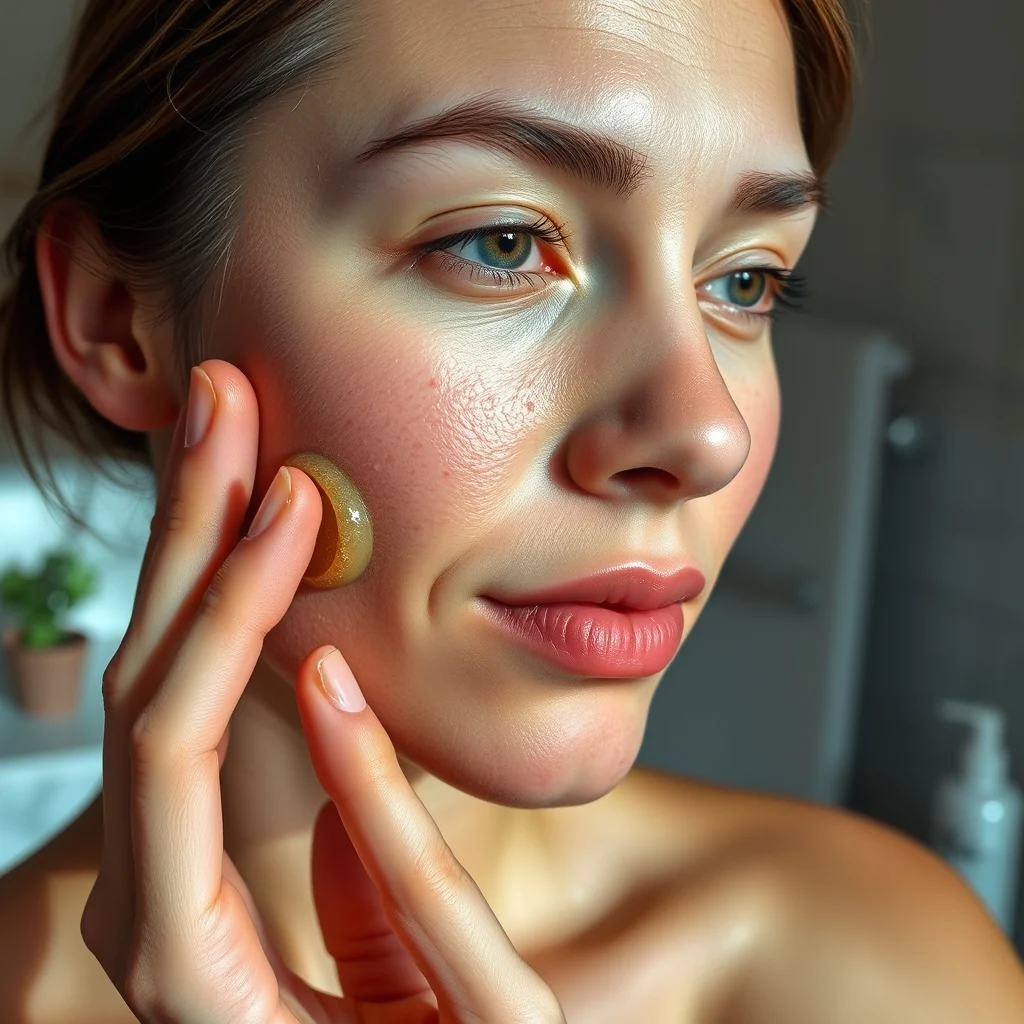
Dealing with acne is frustrating, but when your skin is also dry and sensitive, finding the right acne treatment can feel like walking through a minefield. Harsh products may clear breakouts temporarily, only to leave your skin red, flaky, and even more irritated. The key to calming acne-prone sensitive skin lies in a barrier-first approach—prioritizing gentle, restorative care that strengthens your skin’s natural defenses while targeting breakouts. This guide will help you navigate the process without compromising comfort or results.
Understand Your Skin’s Barrier
The skin barrier is your first line of defense against environmental stressors, bacteria, and moisture loss. When it’s compromised, sensitivity, redness, and acne flare-ups become more common. For those with dry and sensitive skin, the barrier is often naturally weaker, making it essential to choose products that support its repair rather than strip it further. Look for ingredients like ceramides, cholesterol, and fatty acids, which mimic the skin’s natural lipids and help restore balance.
Avoid over-cleansing or using abrasive scrubs, as these can worsen irritation. Instead, opt for a gentle, hydrating cleanser that removes impurities without disrupting your skin’s pH. Think of your skincare routine as a way to nurture your barrier, not just treat acne—this shift in mindset can make all the difference in achieving long-term clarity.
Choose Gentle, Non-Irritating Actives
Not all acne-fighting ingredients are created equal, especially for sensitive skin. While benzoyl peroxide and salicylic acid are effective, they can be too harsh for some, leading to dryness and peeling. Instead, consider gentler alternatives like azelaic acid, which reduces inflammation and unclogs pores without causing irritation. Niacinamide is another excellent option, as it soothes redness, regulates oil production, and strengthens the skin barrier.
If you do use stronger actives, introduce them slowly and in lower concentrations. Patch-test new products on a small area of skin before applying them to your entire face. This precaution helps you avoid widespread irritation and ensures your skin can tolerate the treatment. Remember, consistency is key—give your skin time to adjust before expecting visible results.
Hydration Is Non-Negotiable
Dry, sensitive skin often reacts to dehydration by producing more oil, which can clog pores and lead to breakouts. To break this cycle, focus on lightweight, non-comedogenic moisturizers that deliver hydration without clogging pores. Hyaluronic acid is a powerhouse ingredient for this purpose, as it attracts and retains moisture in the skin without feeling heavy or greasy.
Avoid alcohol-based toners or astringents, which can strip your skin of its natural oils and exacerbate dryness. Instead, opt for hydrating toners or essences that prep your skin for better absorption of subsequent products. Layering hydration—starting with a watery essence and ending with a moisturizer—can help lock in moisture and keep your skin plump and balanced.
Simplify Your Routine
When dealing with sensitive, acne-prone skin, less is often more. Overloading your skin with too many products can overwhelm it, leading to irritation and breakouts. Stick to a simple routine with a cleanser, treatment (like azelaic acid or niacinamide), moisturizer, and sunscreen during the day. At night, you can add a gentle exfoliant or a soothing serum if your skin tolerates it.
Pay attention to how your skin reacts to each product. If you notice redness, stinging, or increased dryness, scale back and reintroduce products one at a time. This approach helps you identify what works and what doesn’t, allowing you to build a routine tailored to your skin’s unique needs. For more guidance on safe skincare practices, visit the American Academy of Dermatology.
Protect Your Skin Daily
Sun protection is crucial for all skin types, but it’s especially important for sensitive, acne-prone skin. UV exposure can worsen inflammation, darken acne scars, and further weaken your skin barrier. Choose a broad-spectrum sunscreen with SPF 30 or higher, formulated for sensitive skin. Mineral sunscreens containing zinc oxide or titanium dioxide are often gentler and less likely to cause irritation than chemical sunscreens.
If you’re concerned about sunscreen clogging your pores, look for lightweight, oil-free formulas labeled as non-comedogenic. Apply sunscreen as the last step in your morning routine, and reapply every two hours if you’re spending time outdoors. Protecting your skin from the sun not only prevents damage but also supports its overall health and resilience.
Listen to Your Skin
Sensitive skin is unpredictable, and what works one day might not work the next. Stress, diet, hormonal changes, and even the weather can influence how your skin behaves. Instead of sticking rigidly to a routine, learn to adapt based on your skin’s current needs. If your skin feels tight or looks flaky, focus on hydration. If breakouts flare up, incorporate a gentle treatment to calm inflammation.
Keep a skincare journal to track what products you use and how your skin responds. This practice can help you identify patterns and make informed decisions about your routine. Remember, achieving clear, healthy skin is a journey, not a race—patience and consistency will yield the best results.
Your skin deserves care that respects its sensitivity while addressing acne. By adopting a barrier-first approach, you can create a routine that soothes, strengthens, and clarifies—without the irritation. Start small, be consistent, and let your skin guide you toward the products and practices that work best for you. With time, you’ll build a routine that not only treats acne but also nurtures your skin’s natural balance and resilience.
You may also like
-
Acne Treatment Guides: What Most People Get Wrong
-
Acne Treatment Guides: A Barrier-First, Skinimalism Approach for Clearer Skin
-
Acne Treatment Guides: A Barrier-First Approach for Clearer Skin
-
Acne Treatment Guides: A Barrier-First, Skinimalism Approach for Clearer Skin
-
Panduan Lengkap Acne Treatment: Cara Mulai dengan Pendekatan Skinimalis yang Efektif