
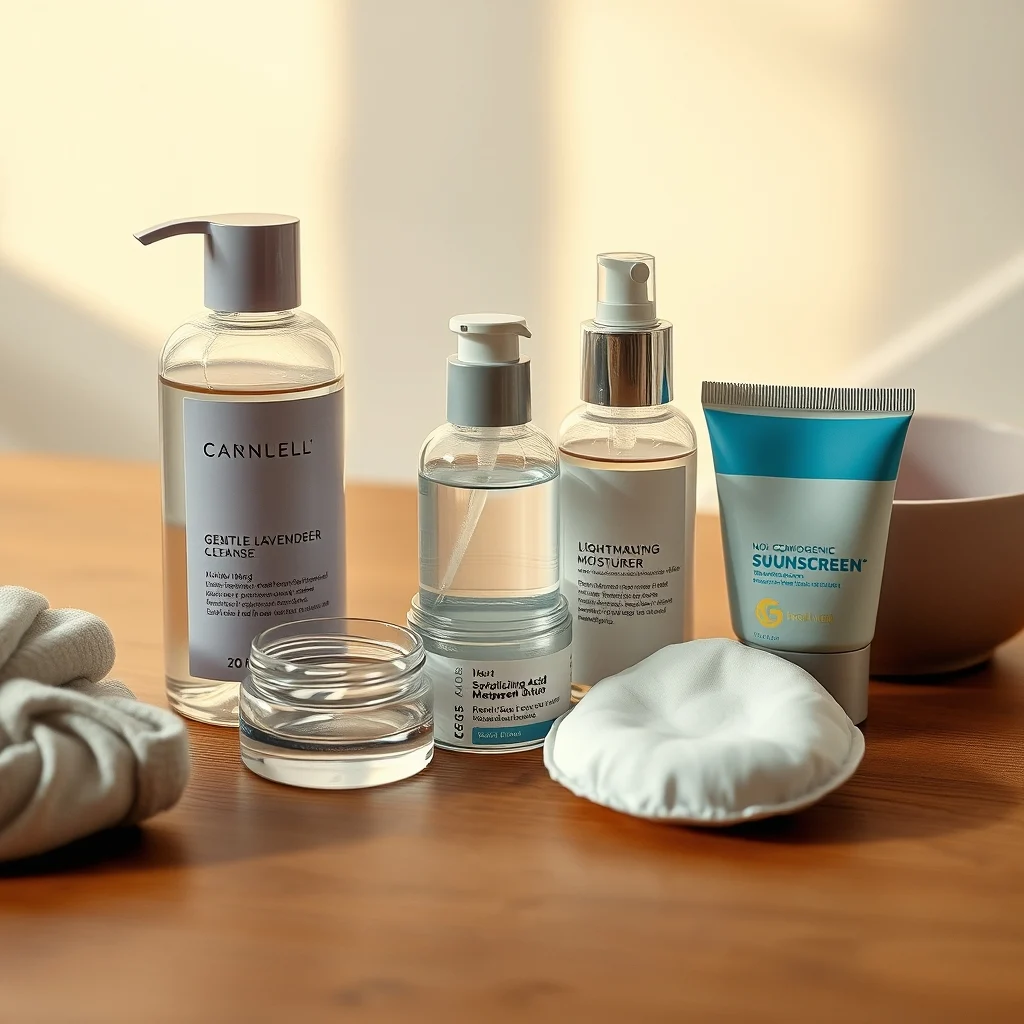
Struggling with persistent acne can feel like an uphill battle, especially when countless products and routines promise quick fixes but leave you feeling more frustrated than before. The key to long-lasting results often lies in understanding your skin’s unique needs and adopting a thoughtful, minimalist approach—one that prioritizes repairing your skin barrier while gently addressing breakouts.
Many people make the mistake of layering too many actives or harsh ingredients, which can disrupt their skin’s natural balance and worsen inflammation. Instead, focusing on a **barrier-first, skinimalism approach** can help you achieve clearer skin without overcomplicating your routine. This method emphasizes simplicity, patience, and a deep understanding of how your skin reacts to different treatments.
Whether you’re new to skincare or looking to refine your current routine, this guide will walk you through the essential steps to build a sustainable, effective regimen that works for your skin type and concerns.
Understanding the Barrier-First Approach
A healthy skin barrier is your first line of defense against acne-causing bacteria, irritation, and environmental stressors. When this barrier is compromised—often due to over-exfoliation, harsh cleansers, or excessive product use—your skin becomes more susceptible to breakouts and redness. The barrier-first approach focuses on strengthening this protective layer while introducing gentle, targeted treatments to address acne.
This method doesn’t mean ignoring acne entirely; instead, it encourages you to treat your skin with care. Start by identifying products that repair and nourish your barrier, such as ceramides, hyaluronic acid, and cholesterol-rich formulations. These ingredients help restore moisture and resilience, making your skin less reactive to acne triggers.
For those with sensitive or reactive skin, this approach is particularly beneficial. It reduces the risk of irritation that can lead to more breakouts, creating a cycle that’s hard to break. By prioritizing barrier repair, you’re setting the foundation for a clearer complexion in the long run.
Simplifying Your Routine: The Skinimalism Mindset
Skinimalism isn’t about using fewer products—it’s about using the right products in the right way. The goal is to streamline your routine to focus on what truly works while cutting out unnecessary steps that could be causing more harm than good. This mindset is especially useful for acne-prone skin, where overloading your routine with actives can lead to irritation and breakouts.
Begin by auditing your current products. Keep it simple: a gentle cleanser, a lightweight moisturizer, and one or two targeted treatments (like a salicylic acid serum or a non-comedogenic oil) are often enough to address acne without overwhelming your skin. If you’re unsure where to start, focus on hydration and barrier repair first—these are the building blocks of healthy skin.
Another key aspect of skinimalism is consistency. Instead of jumping from one trendy product to another, stick with a routine for at least four to six weeks to see how your skin responds. This patience allows your skin to adjust and adapt, leading to more noticeable improvements over time.
Choosing the Right Products for Your Skin
Not all acne treatments are created equal, and what works for one person might not work for another. When selecting products, look for those that are tailored to your skin type and concerns. For example, oily skin may benefit from oil-free, water-based formulations, while dry or sensitive skin might need richer, emollient-based options.
For acne-prone skin, ingredients like benzoyl peroxide, salicylic acid, and niacinamide are often recommended for their ability to unclog pores and reduce inflammation. However, these actives can be drying or irritating, so it’s important to introduce them gradually and always follow up with a moisturizer to maintain hydration. If your skin feels tight or uncomfortable after using an active, it’s a sign you may need to adjust your routine or switch to a gentler alternative.
Don’t overlook the importance of sunscreen. Even if you’re treating acne indoors, UV exposure can worsen skin texture and dark spots. Opt for a lightweight, non-comedogenic sunscreen that won’t clog your pores or leave a heavy residue. This step is often overlooked but is crucial for preventing post-acne marks and maintaining overall skin health.
Common Pitfalls to Avoid
One of the most frequent mistakes people make when treating acne is using too many products at once. While it’s tempting to try everything at once, this can lead to irritation, redness, and even more breakouts. Stick to a minimalist approach: one or two actives, a gentle cleanser, and a moisturizer should be your starting point.
Another pitfall is not patch-testing new products. Before applying anything to your entire face, test it on a small area of skin (like your jawline or behind your ear) to check for reactions. This simple step can save you from potential breakouts or irritation caused by an incompatible ingredient.
Additionally, avoid touching your face throughout the day. Bacteria from your hands can transfer to your skin, leading to clogged pores and breakouts. If you must touch your face, wash your hands first, and consider using a clean towel or your sleeve to pat dry.
Building a Sustainable Routine
A sustainable acne treatment routine is all about balance—addressing breakouts without compromising your skin’s health. Start by establishing a morning and nighttime routine that includes cleansing, treating, and moisturizing. In the morning, focus on hydration and protection (like sunscreen), while at night, you can introduce gentle exfoliation or targeted treatments.
For example, your morning routine might look like this: a hydrating cleanser, a lightweight moisturizer with SPF, and a niacinamide serum to help regulate oil production. At night, you could use a salicylic acid treatment followed by a nourishing moisturizer to repair and hydrate.
Listen to your skin. If a product causes irritation or breakouts, discontinue use and reassess your routine. Every skin type is unique, so what works for someone else might not be right for you. Adjustments are normal, and finding the right balance might take time—but it’s worth the effort for clearer, healthier skin.
Taking care of your skin doesn’t have to be complicated or overwhelming. By focusing on repairing your skin barrier, simplifying your routine, and choosing the right products for your needs, you can create a sustainable approach to acne treatment that works for you. Start small, be patient, and trust the process—your skin will thank you in the long run.
You may also like
-
Acne Treatment Guides: What Most People Get Wrong
-
Acne Treatment Guides: A Barrier-First Approach for Clearer Skin
-
Acne Treatment Guides: A Barrier-First, Skinimalism Approach for Clearer Skin
-
Panduan Lengkap Acne Treatment: Cara Mulai dengan Pendekatan Skinimalis yang Efektif
-
Acne Treatment Guides: A Barrier-First Approach for Clearer Skin