
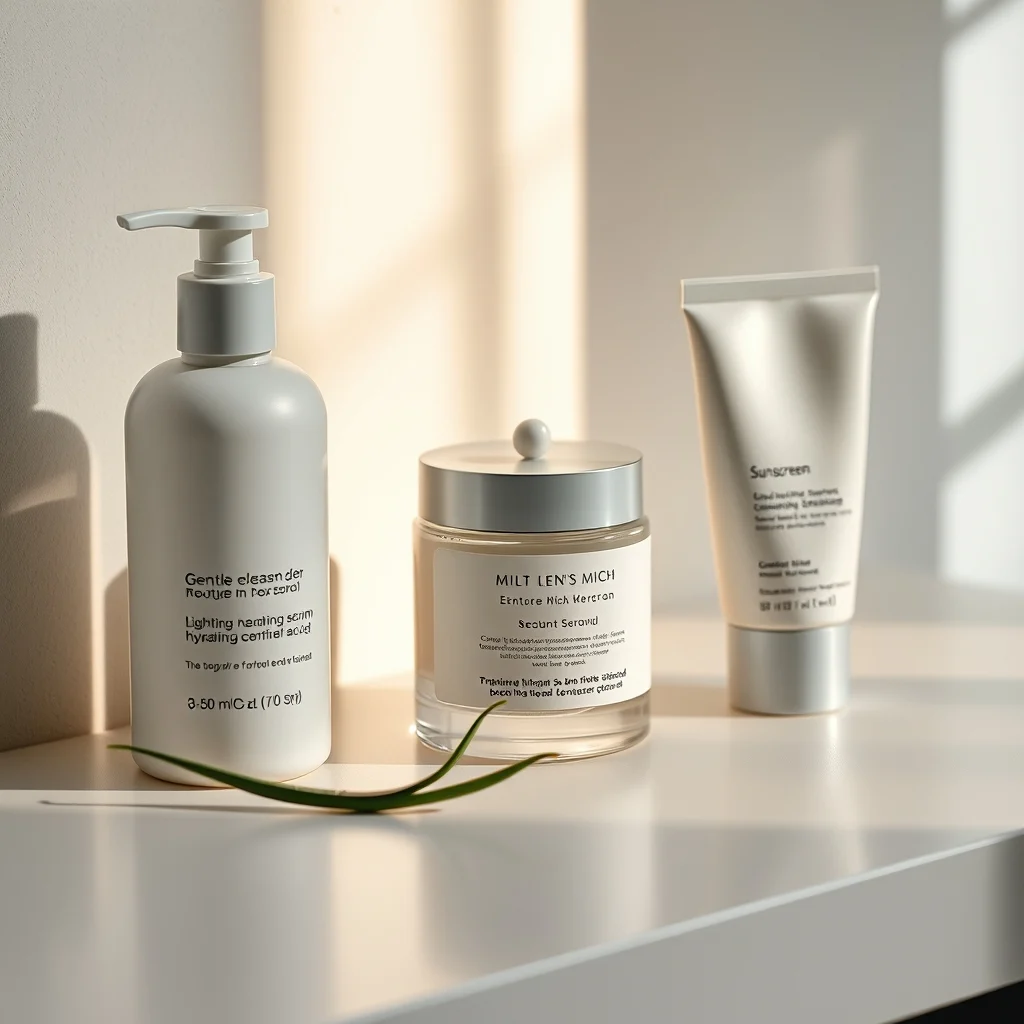
Struggling with redness, breakouts, or irritation can feel overwhelming, especially when your skin seems to react to everything. The key isn’t piling on more products—it’s about simplifying your routine while strengthening your skin’s natural defenses. A barrier-first, skinimalism approach focuses on gentle, effective solutions that repair and protect without causing further stress. This method isn’t just a trend; it’s a sustainable way to achieve healthier skin by working with its biology, not against it.
Understand Your Skin’s Barrier
The skin barrier is your body’s first line of defense against environmental aggressors like pollution, bacteria, and harsh weather. When it’s compromised, you might notice dryness, sensitivity, or even flare-ups. A barrier-first approach prioritizes ingredients that support this protective layer, such as ceramides, cholesterol, and fatty acids. These components help lock in moisture and keep irritants out.
Start by identifying signs of a weakened barrier: tightness, flakiness, or increased sensitivity. If these sound familiar, it’s time to shift your focus from aggressive treatments to nourishing, restorative products. Think of your skin as a delicate ecosystem—balance is everything.
Simplify Your Routine with Skinimalism
Skinimalism isn’t about doing less for the sake of it; it’s about doing what truly works. This approach encourages a streamlined routine with multi-tasking products that address multiple concerns at once. For example, a hydrating serum with hyaluronic acid can plump the skin while soothing irritation, reducing the need for separate products.
Begin by auditing your current routine. Are there products that sit unused or cause more harm than good? Toss the ones that don’t align with your skin’s needs. A minimalist routine might include just a cleanser, moisturizer, and sunscreen—three pillars that form the foundation of healthy skin. Over time, you can reintroduce actives like niacinamide or peptides if needed, but always with caution.
Choose Gentle, Repair-Focused Ingredients
Not all skincare ingredients are created equal, especially for problem skin. Harsh exfoliants or alcohol-based toners can strip the skin, leaving it vulnerable. Instead, opt for ingredients that repair and soothe, such as:
- Ceramides: These lipids help restore the skin barrier and retain moisture.
- Niacinamide: A versatile ingredient that reduces redness and strengthens the skin’s defenses.
- Panthenol (Provitamin B5): Calms irritation and supports healing.
- Squalane: A lightweight moisturizer that mimics the skin’s natural oils.
Look for products labeled “fragrance-free” and “hypoallergenic” to minimize the risk of irritation. Patch-test new products before applying them to your entire face, especially if you have sensitive skin.
Prioritize Hydration Without Clogging Pores
Hydration is non-negotiable, even for oily or acne-prone skin. The trick is to choose lightweight, non-comedogenic formulas that deliver moisture without clogging pores. Gel-based moisturizers or hydrating serums are excellent options for problem skin, as they provide hydration without heaviness.
Avoid thick, occlusive creams if your skin is prone to breakouts. Instead, layer a hydrating serum under a lightweight moisturizer to lock in moisture. Hyaluronic acid is a hero ingredient here—it attracts water to the skin and plumps it from within. Just remember to follow it with a moisturizer to seal in the hydration.
Protect Your Skin Daily with Sunscreen
Sunscreen is the most important step in any skincare routine, yet it’s often overlooked in problem-skin discussions. UV rays can worsen redness, hyperpigmentation, and even breakouts by triggering inflammation. A mineral sunscreen with zinc oxide or titanium dioxide is ideal for sensitive or reactive skin, as it sits on the surface and reflects UV rays without absorbing into the skin.
Choose a broad-spectrum sunscreen with at least SPF 30 and reapply every two hours if you’re outdoors. If you’re worried about sunscreen feeling heavy or greasy, opt for a lightweight, fluid formula designed for the face. Your skin will thank you in the long run.
Listen to Your Skin and Adjust
Skincare isn’t one-size-fits-all, and what works for someone else might not work for you. Pay attention to how your skin responds to products and adjust your routine accordingly. If a product causes stinging, burning, or excessive dryness, it’s a sign to stop using it. Your skin’s needs can also change with the seasons, stress levels, or hormonal fluctuations, so stay flexible.
Keep a skincare journal to track what works and what doesn’t. Note any changes in your skin’s texture, tone, or sensitivity. Over time, you’ll develop a deeper understanding of your skin’s unique language and how to care for it effectively.
Taking a barrier-first, skinimalism approach isn’t about quick fixes—it’s about building a sustainable routine that nurtures your skin’s health. Start small, be consistent, and let your skin guide you. With patience and the right products, you’ll create a routine that supports your skin’s natural resilience and leaves it looking its best. For more information on skincare safety, visit the American Academy of Dermatology.
You may also like
-
Problem-Skin Product Recommendations: A Budget-Friendly Routine for Clearer Skin
-
Problem-Skin Product Recommendations: A Barrier-First Approach for Lasting Comfort & Repair
-
Problem-Skin Product Recommendations: A Beginner’s Guide to Calming & Repairing Your Skin
-
Problem-Skin Product Recommendations: A Step-by-Step Guide for Busy People
-
Problem-Skin Product Recommendations: A Barrier-First, Skinimalism Approach