
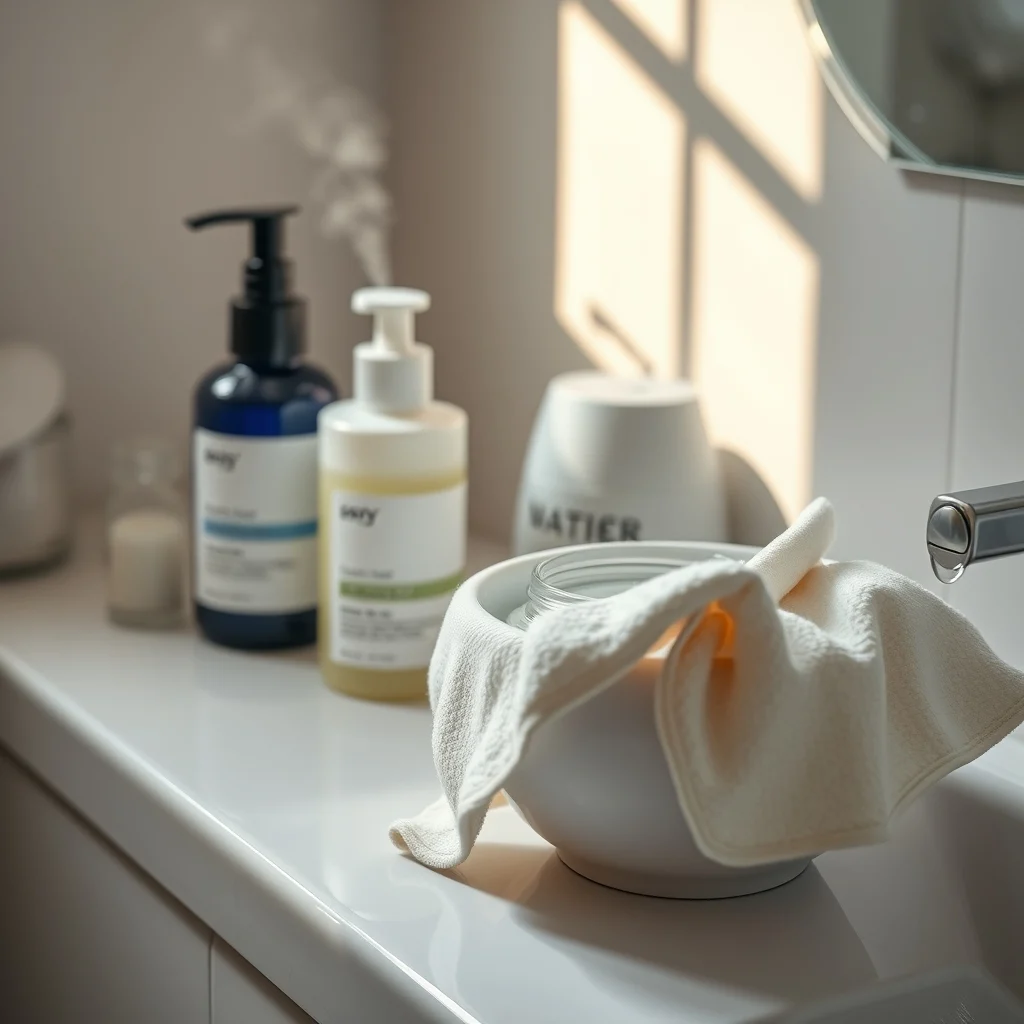
If your skin feels like it’s constantly under siege—red, itchy, and reactive to even the gentlest products—you’re not alone. Eczema and sensitive skin care isn’t just about soothing flare-ups; it’s about rebuilding your skin’s natural defense so discomfort becomes the exception, not the rule. The key? A barrier-first approach that prioritizes protection, hydration, and simplicity over quick fixes or harsh treatments.
Why Your Skin’s Barrier Holds the Answer
Your skin’s outermost layer acts like a shield, locking in moisture and keeping irritants out. When this barrier is compromised—common in eczema and sensitive skin—even water can feel like an assault. The result? Chronic dryness, inflammation, and a cycle of irritation that’s hard to break.
Instead of layering on products to mask symptoms, focus on ingredients that repair and strengthen this barrier. Look for ceramides, cholesterol, and fatty acids—components naturally found in healthy skin. These aren’t just buzzwords; they’re the building blocks your skin craves to function properly.
Simplify Your Routine with Skinimalism
Less is often more when it comes to sensitive skin. A minimalist routine reduces the risk of irritation from unnecessary ingredients while giving your skin space to heal. Start with a gentle, fragrance-free cleanser that doesn’t strip your skin of its natural oils. Follow with a barrier-repairing moisturizer, applying it to damp skin to lock in hydration.
Skip the exfoliants, toners, and serums unless they’re specifically formulated for compromised skin. Even “natural” ingredients like essential oils or citrus extracts can trigger reactions. When in doubt, patch-test new products on a small area of skin before committing to them.
Hydration That Goes Beyond Moisturizer
Moisturizing is non-negotiable, but how you do it matters. Opt for creams or ointments over lotions—they contain fewer preservatives and more emollients to soothe and protect. Apply your moisturizer within three minutes of showering or washing your face to trap water in your skin.
For extra hydration, consider a humidifier in your bedroom, especially during dry months. It adds moisture to the air, which helps prevent your skin from drying out overnight. Pair this with lightweight, breathable fabrics like cotton to avoid further irritation.
Identify and Avoid Your Triggers
Eczema and sensitive skin often react to specific triggers, whether it’s stress, certain foods, or environmental factors like pollen or cold weather. Keep a simple diary to track flare-ups and note what you were exposed to beforehand. Over time, patterns will emerge, helping you pinpoint and avoid your personal triggers.
Common culprits include harsh soaps, synthetic fragrances, and even stress. While you can’t eliminate all triggers, minimizing exposure can significantly reduce flare-ups. Swap scented detergents for fragrance-free versions, and opt for hypoallergenic fabrics in your clothing and bedding.
When to Introduce Active Ingredients
Active ingredients like peptides or regenerative actives (e.g., PDRN) can support skin repair, but they must be introduced carefully. Start with low concentrations and use them sparingly—once or twice a week—to gauge your skin’s tolerance. If redness or itching occurs, scale back or discontinue use.
Barrier-repairing ingredients should always take precedence. Once your skin’s barrier is intact, you can gradually incorporate actives to enhance its resilience. Remember, patience is key; healing sensitive skin isn’t a race.
Lifestyle Adjustments for Long-Term Relief
Your daily habits play a significant role in managing eczema and sensitive skin. Short, lukewarm showers are less drying than hot baths, and patting your skin dry (instead of rubbing) helps preserve its moisture. Apply moisturizer immediately after to seal in hydration.
Diet can also influence skin health. While no single food causes eczema, some people find relief by reducing dairy, gluten, or processed sugars. Stay hydrated by drinking plenty of water, and consider adding omega-3-rich foods like salmon or flaxseeds to your diet—they help reduce inflammation from within.
Living with eczema and sensitive skin doesn’t mean resigning yourself to discomfort. By adopting a barrier-first routine, simplifying your products, and making mindful lifestyle choices, you can restore your skin’s natural balance and enjoy lasting comfort. Start small, be consistent, and let your skin’s resilience guide you toward a calmer, healthier complexion.
For more trusted information on managing sensitive skin, visit the American Academy of Dermatology.
You may also like
-
Eczema & Sensitive Skin Care: Common Mistakes to Avoid for Healthier Skin
-
Eczema & Sensitive Skin Care: A Step-by-Step Guide for Soothed Skin
-
Eczema & Sensitive Skin Care: A Barrier-First Approach for Lasting Comfort
-
Eczema & Sensitive Skin Care: A Barrier-First, Skinimalism Approach
-
Eczema & Sensitive Skin Care: Quick Tips for Busy People