
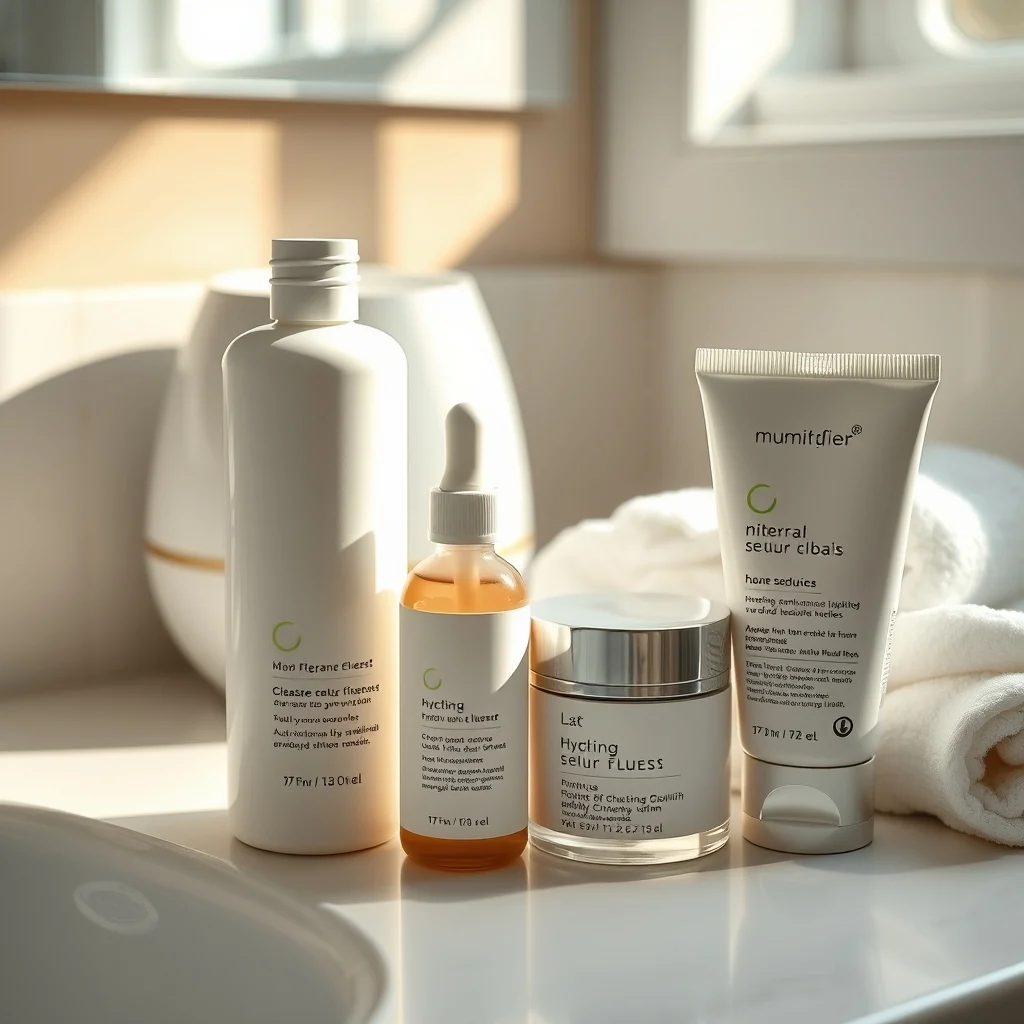
If you struggle with eczema and sensitive skin care, you know the frustration of trying product after product—only to end up with redness, irritation, or flare-ups. The truth is, most people overcomplicate their routine, using too many products that disrupt their skin’s natural barrier. The solution? A barrier-first, skinimalism approach that focuses on simplicity, hydration, and gentle protection. This method isn’t about stripping your routine down to nothing; it’s about choosing the right steps to strengthen your skin’s defenses without overwhelming it.
Understand Your Skin’s Barrier
The skin barrier is your body’s first line of defense against environmental aggressors like pollution, bacteria, and allergens. When it’s compromised—as it often is in eczema and sensitive skin—your skin becomes more prone to dryness, irritation, and inflammation. Think of it like a brick wall: when the mortar (natural lipids) weakens, the bricks (skin cells) start to crumble. A barrier-first approach means prioritizing ingredients and habits that repair and maintain this protective layer.
Ceramides, cholesterol, and fatty acids are the building blocks of a healthy skin barrier. Look for products that contain these ingredients, as they help restore moisture and lock it in. Avoid harsh cleansers or exfoliants that strip away these essential lipids. Instead, opt for gentle, fragrance-free formulas that cleanse without disrupting your skin’s natural balance.
Simplify Your Routine with Skinimalism
Skinimalism is all about doing more with less. For those with eczema and sensitive skin, this means paring down your routine to the essentials: cleanse, hydrate, and protect. Overloading your skin with too many products—especially those with active ingredients—can lead to irritation and worsen flare-ups. Start by identifying the core steps your skin truly needs, and eliminate anything that doesn’t serve a clear purpose.
A minimalist routine might include a gentle cleanser, a hydrating serum, a barrier-repairing moisturizer, and a mineral-based sunscreen. That’s it. If you’re using toners, exfoliants, or multiple serums, ask yourself whether they’re truly benefiting your skin. Often, less is more when it comes to managing sensitivity and eczema.
Choose the Right Ingredients for Sensitive Skin
Not all skincare ingredients are created equal, especially when it comes to eczema and sensitive skin. Some ingredients can soothe and repair, while others may trigger irritation. Focus on gentle, non-comedogenic ingredients that support your skin’s barrier without causing inflammation. Colloidal oatmeal, for example, is a powerhouse for calming redness and itchiness, while hyaluronic acid provides lightweight hydration without clogging pores.
Avoid common irritants like alcohol, fragrances, and essential oils, which can exacerbate sensitivity. Instead, look for products labeled as hypoallergenic or formulated for sensitive skin. If you’re unsure about an ingredient, patch-test it on a small area of skin before applying it to your face or body. This simple step can save you from unnecessary discomfort.
Hydrate, Hydrate, Hydrate
Hydration is the cornerstone of any effective eczema and sensitive skin care routine. When your skin is dehydrated, it becomes more prone to irritation, flaking, and cracking. The key is to layer hydration effectively, starting with a lightweight serum and sealing it in with a richer moisturizer. Hyaluronic acid is a great choice for the serum step, as it attracts moisture to the skin and helps plump it up.
For your moisturizer, opt for a formula that contains occlusives like petrolatum or dimethicone. These ingredients create a protective seal over the skin, preventing moisture loss and shielding it from external irritants. Apply your moisturizer to damp skin to lock in hydration, and reapply throughout the day as needed, especially if you’re in a dry or air-conditioned environment.
Protect Your Skin from Environmental Triggers
Environmental factors like cold weather, wind, and pollution can wreak havoc on sensitive skin. Even indoor environments, like heated or air-conditioned spaces, can strip your skin of moisture and exacerbate eczema. To protect your skin, make sure you’re using a broad-spectrum sunscreen every day, even when it’s cloudy. UV rays can weaken your skin’s barrier and trigger flare-ups, so sunscreen is non-negotiable.
In colder months, layer up with protective clothing like scarves and gloves to shield your skin from harsh winds. If you’re spending time indoors, consider using a humidifier to add moisture to the air. These small adjustments can make a big difference in keeping your skin calm and comfortable.
Listen to Your Skin
One of the most important aspects of a barrier-first, skinimalism approach is learning to listen to your skin. Pay attention to how it reacts to different products, environments, and even stress levels. If your skin feels tight, itchy, or looks red, it’s a sign that something in your routine or environment isn’t working. Don’t ignore these signals—adjust your routine accordingly.
Keep a simple skincare journal to track what works and what doesn’t. Note the products you use, the weather conditions, and any changes in your skin’s appearance or texture. Over time, you’ll start to see patterns and be better equipped to make informed decisions about your routine. Remember, skincare is personal, and what works for someone else might not work for you.
Taking care of eczema and sensitive skin doesn’t have to be complicated. By focusing on strengthening your skin’s barrier and simplifying your routine, you can reduce irritation and achieve a healthier, more resilient complexion. Start small: identify the essential steps your skin needs, choose gentle, hydrating products, and protect your skin from environmental triggers. With consistency and patience, you’ll find a routine that works for you—without the overwhelm. For more trusted information on managing sensitive skin, visit the American Academy of Dermatology.
You may also like
-
Eczema & Sensitive Skin Care: A Step-by-Step Guide for Soothed Skin
-
Eczema & Sensitive Skin Care: Common Mistakes That Worsen Your Skin
-
Eczema & Sensitive Skin Care: A Barrier-First Routine for Lasting Relief
-
Eczema & Sensitive Skin Care: Quick Relief for Dry & Sensitive Skin
-
Eczema & Sensitive Skin Care: A Barrier-First Routine for Soothed Skin