
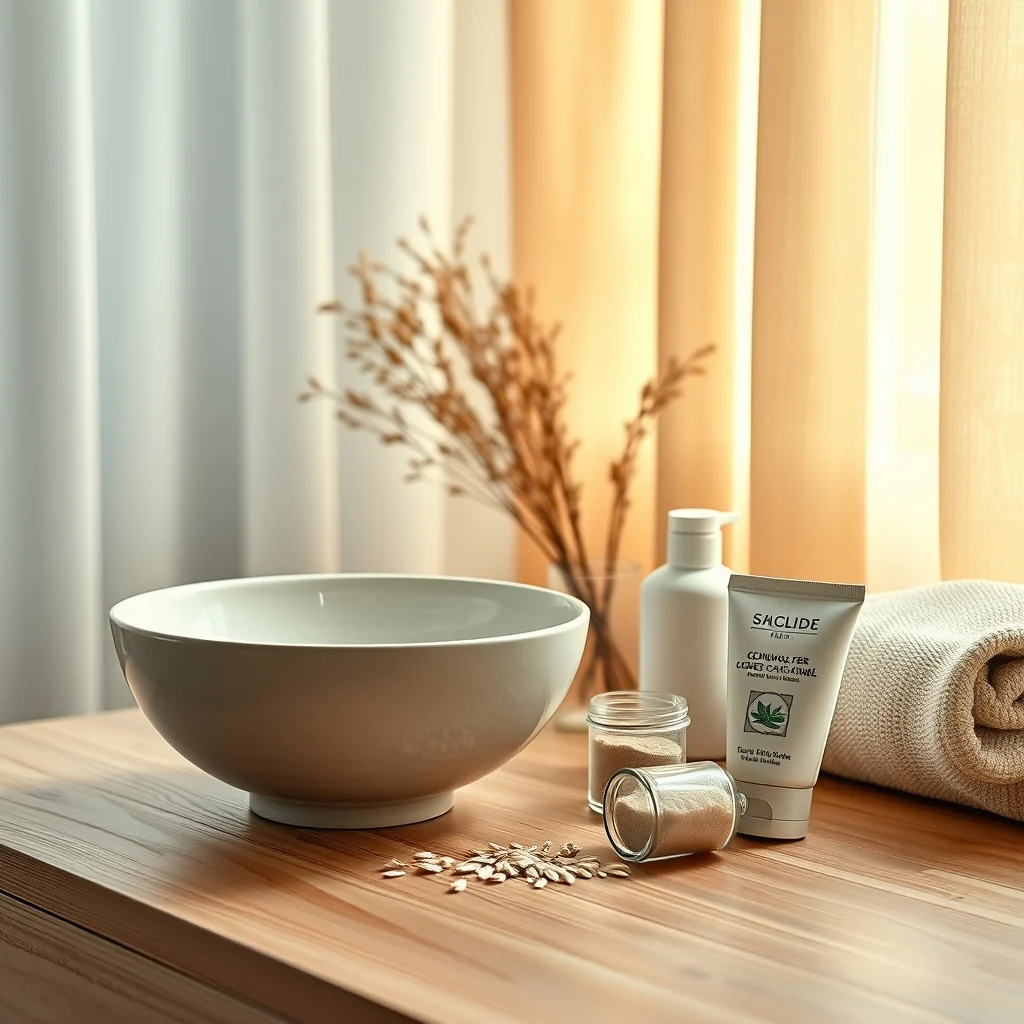
Struggling with the relentless cycle of irritation, redness, and discomfort that comes with eczema and sensitive skin care? You’re not alone—millions grapple with the same challenges, yet finding the right routine to soothe and protect can feel like navigating a maze. The key lies in understanding your skin’s unique needs and building a gentle yet effective regimen that prioritizes barrier repair and hydration without overwhelming sensitivity.
This guide will walk you through actionable steps to transform your approach, ensuring your skin gets the care it truly deserves. Whether you’re dealing with flares or simply aiming to prevent future discomfort, these strategies will help you achieve lasting comfort without compromising your skin’s health.
Understanding Your Skin’s Unique Needs
Sensitive skin and eczema often share a common thread: a compromised skin barrier. This barrier acts as a protective shield, locking in moisture and keeping irritants out. When it’s weakened—whether due to genetics, environmental factors, or harsh skincare habits—your skin becomes more susceptible to dryness, redness, and irritation. The first step in managing eczema and sensitive skin care is recognizing that not all products are created equal. Fragrances, alcohol, and abrasive exfoliants can trigger flare-ups, so opting for fragrance-free, hypoallergenic, and dermatologist-tested formulations is essential.
Pay attention to how your skin reacts to different ingredients and environmental triggers. For example, extreme temperatures, low humidity, or even stress can exacerbate symptoms. Keeping a skincare journal to track flare-ups and their potential causes can help you identify patterns and adjust your routine accordingly. This proactive approach ensures you’re not just treating symptoms but addressing the root causes of your discomfort.
Building a Gentle Cleansing Routine
Cleansing is the foundation of any skincare routine, but for sensitive and eczema-prone skin, it requires a delicate touch. Harsh cleansers strip away natural oils, leaving your skin dry and more prone to irritation. Instead, choose a gentle, creamy cleanser that removes dirt and impurities without disrupting your skin’s moisture balance. Look for ingredients like ceramides, cholesterol, and fatty acids, which help restore and maintain the skin barrier.
When cleansing, avoid hot water, as it can further dry out your skin. Opt for lukewarm water and gently massage the cleanser onto damp skin using your fingertips—no rough scrubbing or excessive rubbing. After cleansing, always follow up with a moisturizer to lock in hydration and reinforce your skin’s protective barrier. This two-step process ensures your skin stays clean without compromising its natural defenses.
Hydration: The Cornerstone of Eczema Care
Hydration is non-negotiable when it comes to managing eczema and sensitive skin care. Dry skin is often the primary culprit behind itchy, inflamed patches, so incorporating a rich, emollient-based moisturizer into your daily routine is critical. Moisturizers containing ingredients like hyaluronic acid, glycerin, and shea butter can help draw in moisture and create a protective layer over your skin. Apply moisturizer within three minutes of bathing or showering to seal in hydration while your skin is still damp.
For more severe dryness or during flare-ups, consider using an occlusive product like petroleum jelly or a heavy-duty balm. These products create a physical barrier that prevents moisture loss, providing relief from dryness and irritation. Layering a moisturizer under an occlusive can also enhance its effectiveness, offering an extra layer of protection for compromised skin.
Choosing the Right Ingredients for Barrier Repair
Not all skincare ingredients are beneficial for sensitive or eczema-prone skin. Some actives, like retinoids or high-concentration acids, can be too harsh and may trigger irritation. Instead, focus on ingredients that actively repair and strengthen the skin barrier. Ceramides, for instance, help restore the lipid layer of the skin, while niacinamide supports hydration and reduces redness. Colloidal oatmeal is another gentle yet effective ingredient that soothes irritation and provides relief from itching.
When introducing new products, always patch-test them on a small area of skin first. This allows you to monitor for any adverse reactions before committing to full-face or body use. If you notice redness, stinging, or increased irritation, discontinue use immediately. Building a routine around your skin’s tolerance levels ensures you’re nurturing it rather than aggravating its sensitivity.
Environmental and Lifestyle Adjustments
Your skin’s health isn’t just influenced by what you put on it—environmental factors and lifestyle habits play a significant role too. Extreme temperatures, low humidity, and even indoor heating can strip moisture from your skin, leading to dryness and flare-ups. To mitigate these effects, use a humidifier in dry climates or during winter months to maintain optimal moisture levels in the air. This simple adjustment can make a noticeable difference in how your skin feels throughout the day.
Diet and stress management also impact skin health. While there’s no one-size-fits-all diet for eczema, incorporating anti-inflammatory foods like omega-3 fatty acids, antioxidants, and hydration-rich fruits and vegetables can support overall skin resilience. Additionally, stress exacerbates skin conditions, so practicing relaxation techniques like meditation, yoga, or deep breathing can help reduce flare-ups. Small, consistent lifestyle changes can lead to significant improvements in skin comfort and appearance.
When to Seek Professional Guidance
While a well-crafted skincare routine can do wonders for managing eczema and sensitive skin care, there are times when professional intervention is necessary. If your symptoms persist despite diligent self-care, or if you experience severe pain, widespread redness, or signs of infection, it’s important to consult a dermatologist. They can provide tailored recommendations, prescribe topical corticosteroids or other medications, and address any underlying conditions contributing to your skin’s sensitivity.
Professional treatments like phototherapy or prescription-strength moisturizers can be highly effective for some individuals, offering relief where over-the-counter options fall short. Don’t hesitate to reach out to a healthcare provider if you feel your routine isn’t delivering the results you need. Your skin’s health is worth the extra attention and care.
Managing eczema and sensitive skin care is about more than just following a routine—it’s about listening to your skin and adapting your approach as its needs evolve. By prioritizing gentle cleansing, deep hydration, and barrier-repairing ingredients, you can create a regimen that soothes irritation and fosters long-term comfort. Start small, stay consistent, and don’t be afraid to make adjustments along the way. Your skin will thank you for the care and attention.
You may also like
-
Eczema & Sensitive Skin Care: Common Mistakes to Avoid for Healthier Skin
-
Eczema & Sensitive Skin Care: A Step-by-Step Guide for Soothed Skin
-
Eczema & Sensitive Skin Care: A Barrier-First, Skinimalism Approach
-
Eczema & Sensitive Skin Care: Quick Tips for Busy People
-
Eczema & Sensitive Skin Care: What Most People Get Wrong