
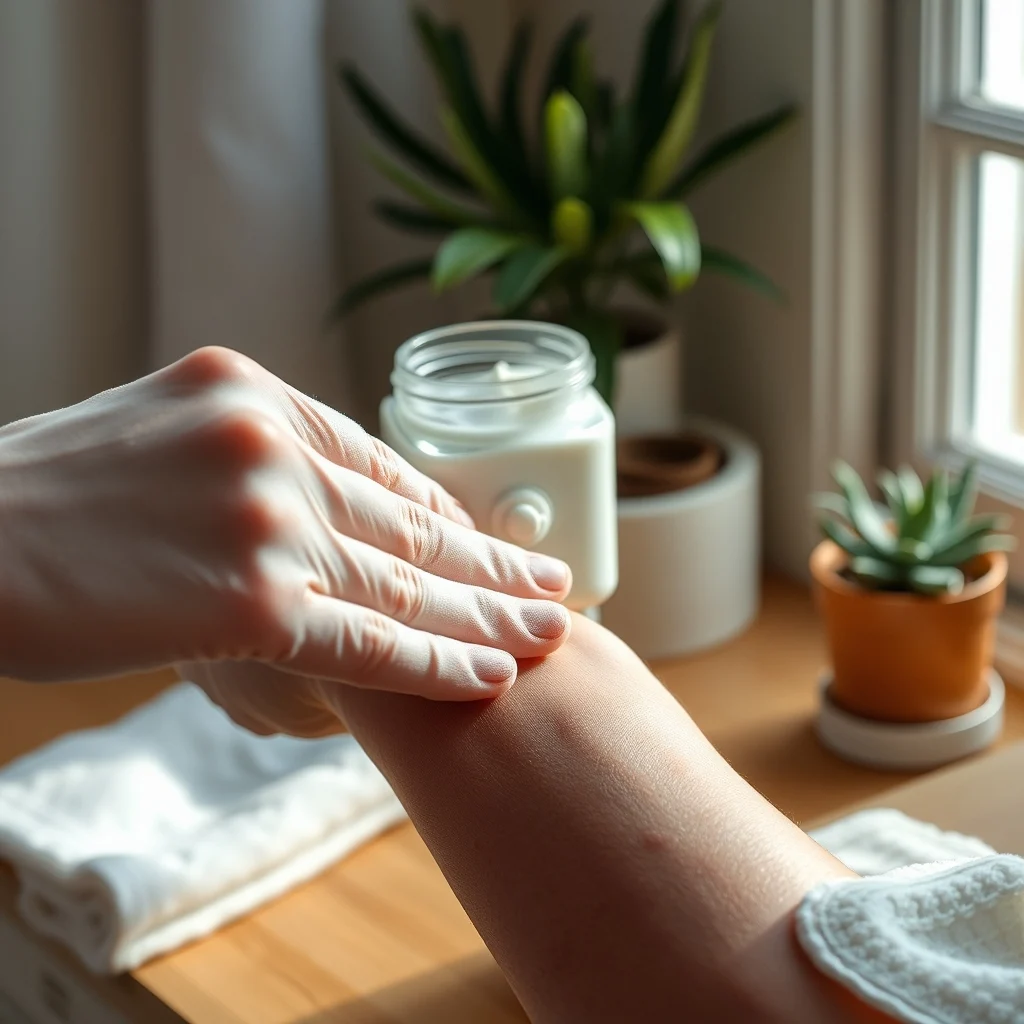
Imagine waking up to skin that feels tight, itchy, or irritated—something as simple as putting on a shirt or washing your face becomes a challenge. If you struggle with eczema or sensitive skin, you’re not alone. The good news is that with the right approach, you can restore balance, reduce flare-ups, and achieve long-lasting comfort. This guide will walk you through a simple yet effective routine to help you manage your skin gently and effectively.
Understanding Eczema and Sensitive Skin
Eczema, often referred to as atopic dermatitis, is a chronic condition that causes inflamed, itchy, and dry skin. Sensitive skin, on the other hand, reacts easily to environmental triggers like harsh soaps, extreme temperatures, or even certain fabrics. Both conditions share a common thread: a compromised skin barrier. When this protective layer is weakened, irritants and moisture escape more easily, leading to discomfort and flare-ups.
The key to managing both lies in reinforcing your skin’s natural defenses. This starts with choosing products that nourish rather than strip, avoiding known irritants, and adopting a consistent skincare routine. Gentle cleansing, hydrating ingredients, and barrier-repairing treatments can make a world of difference.
Start with a Gentle Cleansing Routine
Your first step in caring for eczema and sensitive skin is to cleanse without overdoing it. Harsh cleansers containing sulfates, alcohol, or strong fragrances can disrupt your skin’s moisture balance and worsen irritation. Instead, opt for a mild, fragrance-free cleanser designed for sensitive skin. Look for ingredients like glycerin or ceramides, which help maintain hydration while cleansing.
When washing your face or body, use lukewarm water—hot water can strip natural oils and exacerbate dryness. Pat your skin dry with a soft towel rather than rubbing, and consider air-drying to preserve moisture. If you’re prone to flare-ups, limit cleansing to once or twice a day, depending on your skin’s needs.
Moisturize Like Your Skin Depends on It
Hydration is non-negotiable when it comes to managing eczema and sensitive skin. Moisturizers help seal in water, preventing dryness and reducing the risk of cracking or peeling. Choose a thick, emollient-based cream or ointment, such as petroleum jelly or shea butter, which create a protective barrier on the skin’s surface. Apply moisturizer within a few minutes of bathing to lock in moisture while your skin is still damp.
For extra relief, consider incorporating a humectant like hyaluronic acid into your routine. This ingredient draws water into the skin, providing an immediate boost of hydration. Layering a humectant under a thicker moisturizer can enhance its effects, ensuring your skin stays soft and supple throughout the day.
Avoid Common Triggers That Worsen Irritation
Identifying and avoiding triggers is a critical part of managing eczema and sensitive skin. Common culprits include harsh soaps, synthetic fabrics, excessive sun exposure, and environmental pollutants. Start by swapping out your regular soap for a fragrance-free, dermatologist-recommended alternative. Similarly, opt for breathable fabrics like cotton or silk, which are less likely to irritate your skin.
Pay attention to your surroundings—dust, pollen, and even certain foods can act as triggers for some individuals. Keeping your home clean, using air purifiers, and maintaining a consistent skincare routine can help minimize flare-ups. If you suspect a specific food or ingredient is causing issues, consider keeping a journal to track patterns and adjust your habits accordingly.
Protect Your Skin from Environmental Stressors
Environmental factors play a significant role in eczema and sensitive skin care. Cold weather, low humidity, and strong winds can strip moisture from your skin, leading to dryness and irritation. To combat this, apply a moisturizing layer before going outside, and consider using a humidifier in your home to add moisture to the air.
Sun exposure can also be tricky—while some sensitive skin may tolerate light sun, prolonged exposure can lead to redness or burning. If you need to spend time outdoors, opt for a mineral-based sunscreen with zinc oxide or titanium dioxide, which are gentler on sensitive skin. Always reapply every two hours, especially if you’re swimming or sweating.
When to Seek Professional Guidance
While a consistent at-home routine can do wonders for managing eczema and sensitive skin, there may come a time when professional help is needed. If your flare-ups are severe, persistent, or not improving with over-the-counter treatments, consult a dermatologist. They can provide tailored advice, prescribe stronger medications if necessary, and help you navigate more complex cases.
Professionals can also recommend advanced treatments like topical steroids, calcineurin inhibitors, or phototherapy for stubborn cases. Additionally, they may suggest patch testing to identify specific allergens or triggers that are unique to your skin. Don’t hesitate to reach out if you feel your symptoms are beyond what you can manage alone. For more information on professional treatments, you can visit resources like the American Academy of Dermatology.
Taking control of eczema and sensitive skin care doesn’t have to be overwhelming. By focusing on gentle cleansing, consistent hydration, and avoiding triggers, you can create a routine that soothes and protects your skin. Start small, be patient, and listen to your skin’s needs—it’s the first step toward a calmer, more comfortable complexion. Over time, these habits will become second nature, and you’ll notice a significant improvement in how your skin feels and looks.
You may also like
-
Eczema & Sensitive Skin Care: Common Mistakes to Avoid for Healthier Skin
-
Eczema & Sensitive Skin Care: A Barrier-First Approach for Lasting Comfort
-
Eczema & Sensitive Skin Care: A Barrier-First, Skinimalism Approach
-
Eczema & Sensitive Skin Care: Quick Tips for Busy People
-
Eczema & Sensitive Skin Care: What Most People Get Wrong