
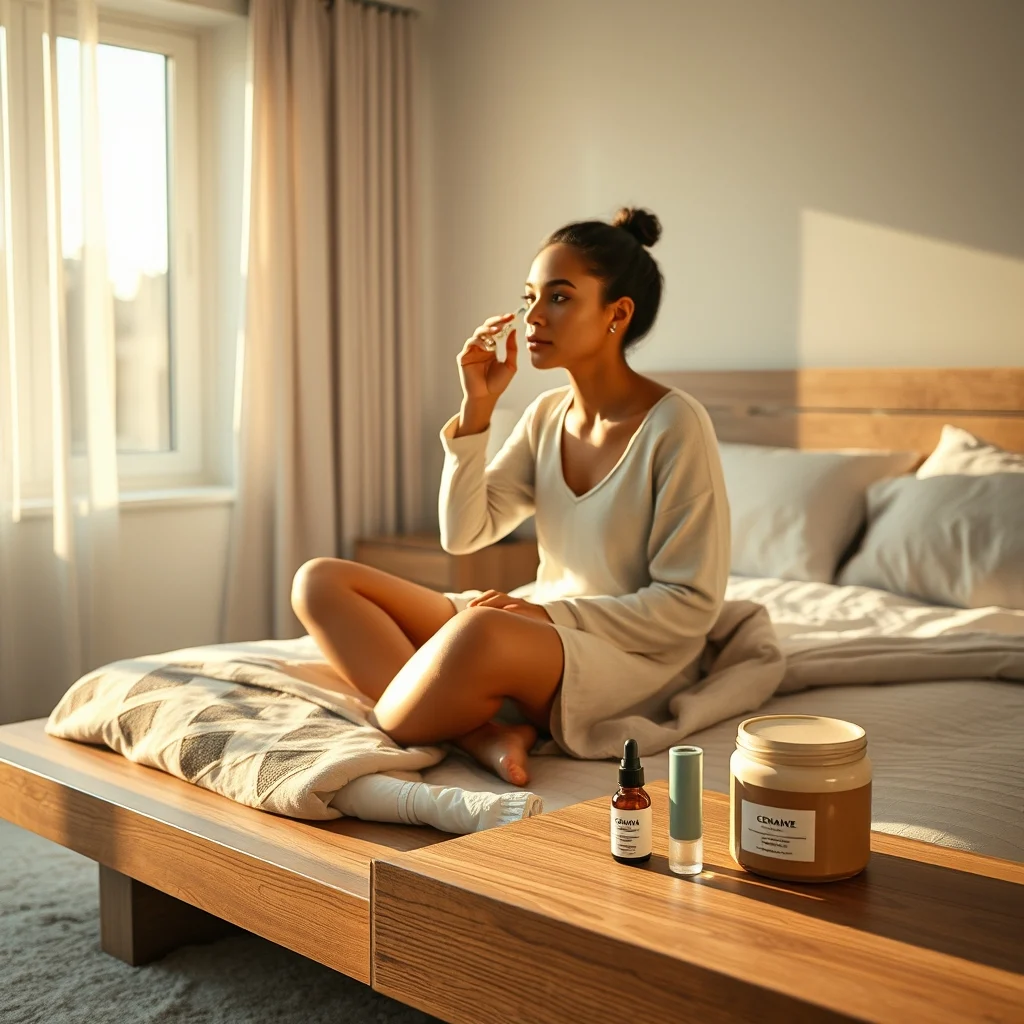
Ever stared at your skincare routine and wondered why your skin still feels like a mystery novel? You’re not alone. Between conflicting advice, expensive treatments, and the overwhelming array of skincare products, it’s easy to feel lost. But what if you could simplify it all—starting today? This guide cuts through the noise to help you understand skin conditions like a pro, no dermatology degree required.
Why Your Skin Might Be Throwing a Tantrum—and How to Listen
Your skin isn’t just a canvas; it’s your body’s first line of defense. When it’s acting up—whether it’s breakouts, dry patches, or persistent redness—it’s often trying to tell you something. Understanding skin conditions starts with recognizing these signals. For example, oily skin might be overcompensating for dehydration, while dry, sensitive skin could be crying out for gentler care. The key is to pay attention and adjust your approach accordingly.
Many people make the mistake of treating symptoms instead of causes. A breakout isn’t just about acne; it could signal hormonal imbalances, poor diet, or even stress. Similarly, dryness isn’t always about lack of moisture—sometimes, it’s a sign of a compromised skin barrier. By addressing the root cause, you’ll see real, lasting improvements.
Common Skin Conditions Demystified
Let’s break down some of the most common skin conditions and what they really mean:
- Oily Skin: Often misunderstood as a sign of poor hygiene, oily skin is usually your skin’s way of trying to protect itself from dryness. It’s not about washing your face more—it’s about balancing your skin’s natural oils with lightweight, non-comedogenic products.
- Dry and Sensitive Skin: This combo can feel like a double whammy. Sensitive skin reacts easily to irritants, while dryness leaves it feeling tight and flaky. The solution? A barrier-first, skinimalism approach with hydrating, fragrance-free ingredients like ceramides and hyaluronic acid.
- Acne-Prone Skin: More than just pimples, acne can stem from clogged pores, excess oil, or bacterial overgrowth. Instead of reaching for harsh scrubs, focus on gentle exfoliation and ingredients like salicylic acid or peptides.
Understanding Skin Conditions on a Budget
You don’t need a skincare budget to see results. The secret is in understanding skin conditions and prioritizing what truly matters. Start with the basics: a gentle cleanser, a hydrating serum, and SPF. These three steps cover 80% of your skin’s needs. For oily skin, a clay mask once a week can work wonders without breaking the bank. For dry skin, a simple moisturizer with shea butter or glycerin can make a huge difference.
Thrifty skincare isn’t about sacrificing quality—it’s about being smart. Look for multi-purpose products, like a moisturizer with SPF, or DIY treatments like honey masks for sensitive skin. Small changes add up to big results over time.
Quick Tips for Busy People: How to Get Started This Week
Life’s busy, but your skin doesn’t have to wait. Here’s how to understand skin conditions and implement a routine in just seven days:
- Day 1: Cleanse Gently – Switch to a sulfate-free cleanser to avoid stripping your skin of natural oils.
- Day 2: Hydrate Like Never Before – Apply a hydrating serum or essence to lock in moisture. Think of it as giving your skin a glass of water.
- Day 3: SPF, No Excuses – Even if it’s cloudy, wear SPF daily. Sun damage accumulates over time, and prevention is easier than repair.
- Day 4: Exfoliate Smartly – Use a gentle chemical exfoliant like lactic acid 1-2 times a week to slough off dead skin cells without irritation.
- Day 5: Listen to Your Skin – If your skin feels tight or irritated, take a break from new products. Patience is key.
- Day 6: Upgrade Your Pillowcase – Silk or satin pillowcases reduce friction and prevent breakouts.
- Day 7: Reflect and Adjust – Notice any improvements or irritations. Tweak your routine based on what your skin is telling you.
Mistakes to Avoid: What Most People Get Wrong
When it comes to understanding skin conditions, misconceptions are everywhere. Here are a few common pitfalls:
- Over-exfoliating – More isn’t better. Over-exfoliation strips your skin’s natural barrier, leading to redness and sensitivity.
- Skipping SPF – Sun exposure is the #1 cause of premature aging. Even indoor workers need SPF.
- Using Too Many Products – A cluttered routine can cause more harm than good. Stick to a simple, effective regimen.
- Ignoring Your Diet – What you eat affects your skin. Hydration, omega-3s, and antioxidants play a huge role in skin health.
Professional Treatments vs. At-Home Care: Which Is Better?
Professional treatments like chemical peels or laser therapy can deliver dramatic results, but they’re not always necessary. The best approach often combines understanding skin conditions with at-home care and occasional professional touch-ups. For example, if you’re dealing with stubborn acne, a dermatologist can prescribe targeted treatments, while at-home retinol can help maintain results.
That said, professional treatments aren’t one-size-fits-all. If your skin is sensitive or reactive, some procedures might do more harm than good. Always consult a professional before diving into in-office treatments.
When to See a Dermatologist
While at-home care works for many, there are times when professional help is essential. Seek advice from a dermatologist if you experience:
- Persistent redness or inflammation that doesn’t improve.
- Severe acne or cystic breakouts.
- Unexplained skin changes like dark spots or growths.
- Skin conditions that worsen despite consistent at-home care.
This Year’s Biggest Shift: Barrier-First, Skinimalism, and Biotech Actives
The skincare world is evolving, and 2024 is all about a barrier-first, skinimalism approach. This means prioritizing products that repair and protect your skin’s natural barrier—like ceramides, cholesterol, and fatty acids—while simplifying your routine. Less is more, and your skin will thank you for it.
Another game-changer? Understanding skin conditions through the lens of biotech actives like PDRN (Plasma-Derived Regenerative Nanotechnology) and peptides. These advanced ingredients target cellular repair and regeneration, offering results that feel like a science experiment gone right. Think of them as the superheroes of skincare—powerful but gentle.
Inspired by K-Beauty: Glass Skin 2.0
K-beauty’s glass skin trend isn’t just about dewy complexions—it’s about healthy, resilient skin from within. The glass skin 2.0 approach focuses on:
- Layered hydration with essences and serums.
- Gentle exfoliation to reveal a brighter complexion.
- Barrier repair to lock in moisture and protect against environmental stressors.
You don’t need to invest in expensive K-beauty brands to achieve this look. Focus on hydration, gentle care, and consistency, and you’ll be well on your way to that coveted glass skin glow.
Your Skin’s Future Starts Today
Understanding skin conditions isn’t about perfection—it’s about progress. Start small, listen to your skin, and build a routine that works for you. Whether you’re dealing with oily skin, dryness, or sensitivity, the key is consistency and patience. This week, try one new step—like adding SPF or switching to a gentler cleanser—and watch how your skin responds. Small changes lead to big transformations, and your future self will thank you for taking the first step today.
You may also like
-
Demystifying Skin Conditions: Your 2024 Beginner’s Guide to Healthy Skin—Without the Confusion or Overwhelm
-
Skin Conditions Demystified: Your 2024 Blueprint to Glowing, Resilient Skin—Without the Confusion
-
Understanding Skin Conditions: A Beginner’s Blueprint to Healthy Skin—Without the Confusion or Overwhelm (2024 Guide)
-
Understanding Skin Conditions: Your 2024 Step-by-Step Guide to Clearer, Healthier Skin—Without the Confusion or Overwhelm
-
Understanding Skin Conditions: Your 2024 Beginner’s Blueprint to Effortless, Healthy Skin—Without the Confusion