
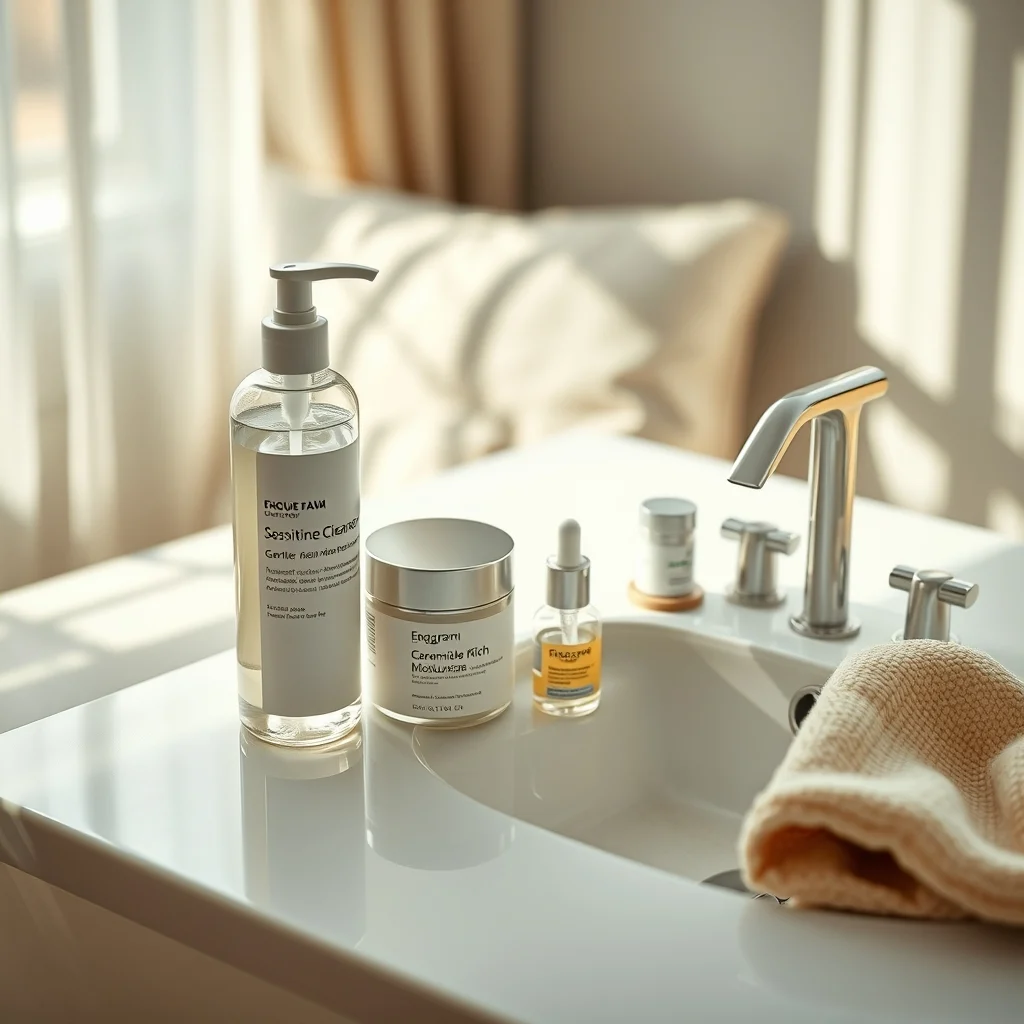
Imagine waking up to skin that feels tight, itchy, or irritated—no matter how much lotion you apply. If you’re navigating the world of eczema and sensitive skin care, you’re not alone. The good news is that with the right approach, you can soothe discomfort, strengthen your skin’s natural defenses, and build a routine that works without overcomplicating things.
Eczema and sensitive skin often share a common enemy: a compromised skin barrier. This barrier acts like a protective shield, locking in moisture and keeping irritants out. When it’s weakened, even the gentlest products can trigger flare-ups. The key is to focus on repair, hydration, and avoiding triggers—without resorting to harsh ingredients or overly complex regimens.
Whether you’re just starting your skincare journey or looking to refine what you already know, this guide breaks down the essentials into simple, actionable steps. From cleansing to moisturizing and everything in between, we’ll cover how to care for your skin without aggravating it further.
Let’s start with the foundation of any effective routine: cleansing.
Start with a Gentle Cleanser: The First Step to Soothing Skin
Cleansing is where many people unknowingly make mistakes. Harsh soaps, alcohol-based cleansers, or even hot water can strip your skin of its natural oils, worsening dryness and irritation. Instead, opt for a fragrance-free, hypoallergenic cleanser designed for sensitive skin. Look for ingredients like glycerin, ceramides, or colloidal oatmeal, which help maintain moisture and calm the skin.
When washing your face, use lukewarm water and avoid scrubbing. Pat your skin dry with a soft towel—rubbing can irritate already sensitive areas. If your skin feels tight after cleansing, it’s a sign you’ve overdone it. In that case, follow up with a lightweight, fragrance-free moisturizer immediately to restore hydration.
For those with eczema-prone skin, consider a barrier-repair cleanser. These formulations often include ingredients like niacinamide or panthenol, which help strengthen the skin’s protective layer. If your skin reacts poorly to traditional cleansers, you might also explore oil-based cleansers, which are gentler and less likely to disrupt your skin’s natural balance.
Moisturize Like Your Skin Depends on It (Because It Does)
Moisturizing is non-negotiable for eczema and sensitive skin. The right moisturizer acts as a protective layer, locking in hydration and preventing moisture loss. However, not all moisturizers are created equal. Heavy, greasy creams might feel comforting, but they can clog pores and trap irritants, leading to breakouts or further irritation.
Instead, focus on lightweight, non-comedogenic moisturizers with ingredients like ceramides, hyaluronic acid, or shea butter. These ingredients help repair the skin barrier while providing long-lasting hydration. Apply moisturizer within three minutes of cleansing to seal in moisture effectively. For extra relief, consider using a thicker ointment or balm on very dry or cracked areas.
If your skin feels particularly sensitive, look for products labeled as dermatologist-tested or pediatric-safe. These are often formulated to minimize irritation while still delivering the hydration your skin needs. Don’t forget to moisturize other dry areas, like elbows, knees, and hands, which are common hotspots for eczema flare-ups.
Embrace the Power of Barrier Repair: Your Skin’s Best Defense
Repairing your skin barrier is the cornerstone of managing eczema and sensitive skin. A strong barrier means less moisture loss, fewer irritants getting in, and less likelihood of flare-ups. To support this, incorporate barrier-repairing ingredients into your routine, such as ceramides, cholesterol, and fatty acids. These ingredients work together to restore the skin’s natural protective layer.
In addition to moisturizers, consider using a barrier-repair serum or treatment. Look for products containing niacinamide, which helps improve skin elasticity and reduce redness. Another option is colloidal oatmeal, which has anti-inflammatory properties and can soothe itchy, irritated skin. Apply these treatments after cleansing and before moisturizing to maximize their benefits.
If your skin barrier is severely compromised, you might also explore medical-grade treatments like prescription-strength moisturizers or topical corticosteroids (under professional guidance). These can provide targeted relief for persistent flare-ups, but they should be used sparingly and as directed to avoid side effects.
Avoid Common Triggers: What’s Really Worsening Your Skin?
Identifying and avoiding triggers is just as important as repairing your skin. Common culprits include harsh soaps, alcohol-based products, synthetic fragrances, and even certain fabrics like wool or synthetic blends. Pay attention to how your skin reacts to new products or environmental factors, such as extreme temperatures or low humidity.
Keep a simple log of your routine and any flare-ups you experience. Note what you’ve used, what you’ve eaten, and any environmental changes. Over time, patterns may emerge, helping you pinpoint specific triggers. For example, if your skin flares up after using a new shampoo, switch to a fragrance-free, hypoallergenic option until your skin calms down.
Beyond products, lifestyle factors can also play a role. Stress, diet, and even sleep can impact your skin’s sensitivity. While you can’t eliminate all stressors, small changes—like staying hydrated, eating a balanced diet, and prioritizing sleep—can make a big difference in how your skin responds.
Protect Your Skin from the Outside In
Environmental factors like sun exposure, wind, and pollution can exacerbate eczema and sensitive skin. While you can’t control everything, you can take steps to protect your skin from external irritants. Start with broad-spectrum sunscreen—yes, even on cloudy days. Look for a fragrance-free, non-comedogenic formula with at least SPF 30 to shield your skin from harmful UV rays.
When stepping outside, consider wearing lightweight, breathable clothing that covers sensitive areas. A wide-brimmed hat can provide additional protection for your face and neck. If you live in a dry climate, a humidifier can help add moisture to the air, preventing your skin from drying out further.
Finally, avoid long, hot showers or baths, as they can strip your skin of natural oils. Opt for shorter, lukewarm showers and use a gentle, moisturizing body wash. Afterward, pat your skin dry and apply a thick moisturizer or ointment to restore hydration.
Small, consistent changes can make a world of difference in how your skin feels and looks. By focusing on gentle cleansing, barrier repair, and trigger avoidance, you’ll be well on your way to a calmer, healthier complexion.
Your skin deserves care that’s as thoughtful as it is effective. Start today by swapping out one irritating product for a gentler alternative, and notice how your skin responds. Over time, these small steps will build a routine that not only soothes but also strengthens your skin’s resilience.
You may also like
-
Eczema & Sensitive Skin Care: Common Mistakes to Avoid for Healthier Skin
-
Eczema & Sensitive Skin Care: A Step-by-Step Guide for Soothed Skin
-
Eczema & Sensitive Skin Care: A Barrier-First Approach for Lasting Comfort
-
Eczema & Sensitive Skin Care: A Barrier-First, Skinimalism Approach
-
Eczema & Sensitive Skin Care: Quick Tips for Busy People