
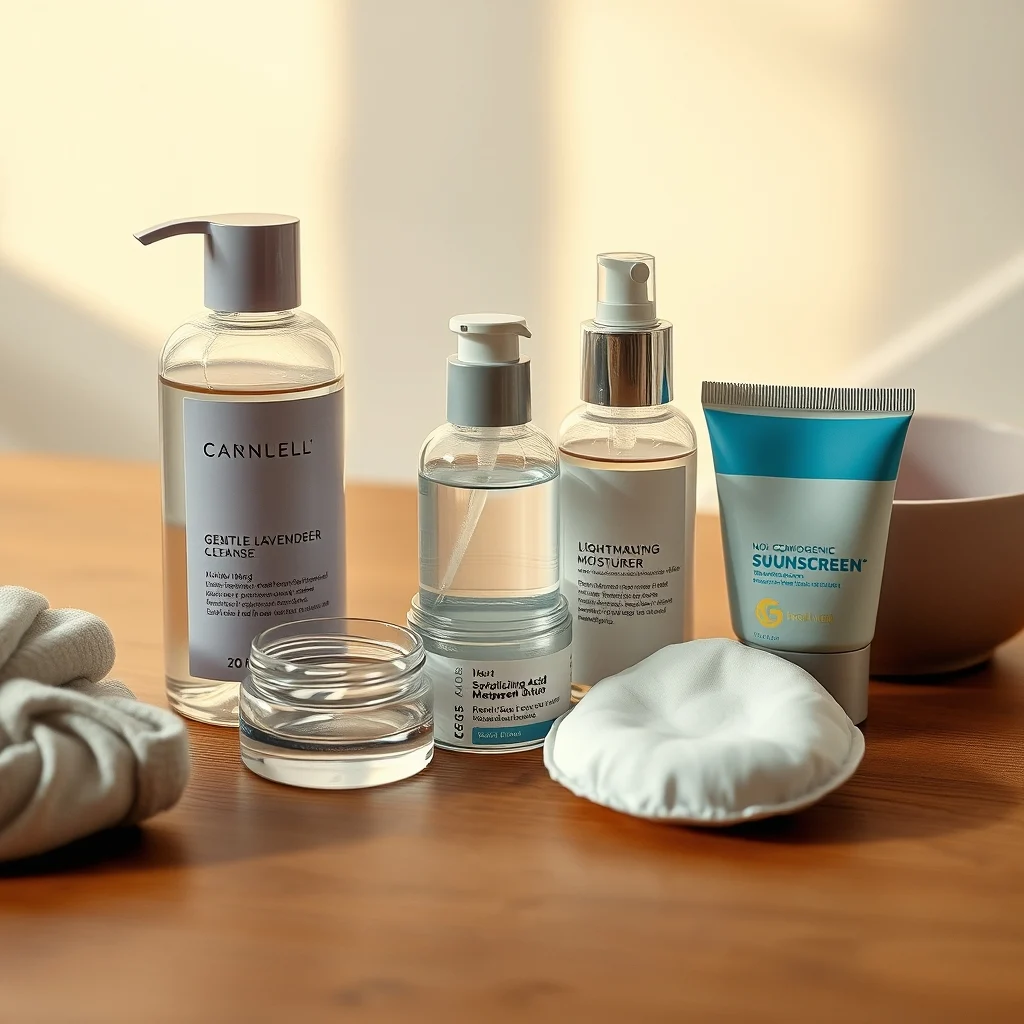
Struggling with persistent acne can feel like an endless cycle of trial and error, especially when products promise results but leave your skin feeling stripped or irritated. The key to long-term clarity isn’t about overloading your routine with harsh actives—it’s about strengthening your skin’s natural defenses while gently addressing breakouts. A **barrier-first, skinimalism** approach focuses on simplicity, hydration, and protection, ensuring your skin stays resilient without unnecessary stress.
This method prioritizes repairing and maintaining your skin barrier while minimizing irritation, which is often the root cause of flare-ups. By cutting out unnecessary products and focusing on what truly works, you can achieve clearer skin with less frustration.
Whether you’re new to skincare or looking to refine your routine, this guide will walk you through the essentials of a barrier-first approach, helping you build a routine that’s effective, sustainable, and gentle on your skin.
Why a Barrier-First Approach Works
A healthy skin barrier is your first line of defense against acne. When it’s compromised—often due to over-exfoliation, harsh cleansers, or alcohol-based products—your skin becomes more susceptible to irritation, redness, and breakouts. The barrier-first method emphasizes products that hydrate, soothe, and reinforce your skin’s natural protective layer, reducing the likelihood of future flare-ups.
This approach also aligns with the principles of skinimalism, which advocates for simplicity in skincare. Instead of cluttering your routine with multiple actives, you focus on a few key ingredients that deliver results without overloading your skin. Think of it as peeling back the layers of complexity to reveal a clearer, calmer complexion.
For those with acne-prone skin, this method is particularly beneficial because it avoids common pitfalls like over-drying or causing micro-tears in the skin, which can trigger more breakouts. By prioritizing hydration and gentle care, you create an environment where your skin can heal and renew itself more effectively.
Transitioning to a barrier-first routine doesn’t mean you have to give up on treating acne—it simply means doing so in a way that respects your skin’s needs. The next section will guide you through the essential steps to build a routine that balances treatment with protection.
Essential Steps for a Barrier-First Routine
The foundation of a barrier-first routine lies in three core steps: cleansing, hydrating, and protecting. Start with a gentle, hydrating cleanser that removes dirt and oil without stripping your skin. Look for ingredients like hyaluronic acid or ceramides, which help maintain moisture levels while cleansing.
After cleansing, apply a lightweight, non-comedogenic moisturizer to lock in hydration. This step is crucial for repairing and strengthening your skin barrier. Even oily skin types benefit from hydration—it helps balance sebum production and prevents your skin from compensating by overproducing oil.
Finally, incorporate a broad-spectrum sunscreen into your daily routine. Sun exposure can exacerbate acne scars and hyperpigmentation, so protecting your skin from UV rays is non-negotiable. Opt for a lightweight, oil-free formula that won’t clog pores.
While these three steps form the backbone of your routine, you can also introduce targeted treatments—like salicylic acid or niacinamide—on an as-needed basis. The key is to keep them minimal and always follow up with hydration and barrier-repairing ingredients.
If you’re unsure where to start, begin with these basics and gradually introduce actives to see how your skin responds. Patience is key—building a strong barrier takes time, but the results are well worth the effort.
Choosing the Right Products for Your Skin Type
Not all products are created equal, and what works for one person might not suit another. If you have oily skin, focus on oil-free, mattifying moisturizers and lightweight serums that control shine without clogging pores. For dry or sensitive skin, prioritize products with soothing ingredients like aloe vera, chamomile, or colloidal oatmeal to calm irritation.
When selecting actives, opt for gentle yet effective options. Salicylic acid is a go-to for acne-prone skin because it penetrates pores to dissolve excess oil and dead skin cells. Niacinamide, on the other hand, helps regulate sebum production and reduces inflammation, making it ideal for both oily and combination skin types.
Always patch-test new products to ensure they don’t cause irritation. If you notice redness, stinging, or increased breakouts, discontinue use and reassess your routine. Remember, the goal is to strengthen your skin, not stress it further.
For those with sensitive skin, avoid fragranced or alcohol-based products, as these can disrupt your skin barrier. Instead, choose fragrance-free, hypoallergenic formulations that prioritize hydration and repair.
Consistency is key when it comes to product selection. Stick with a routine for at least four weeks to give your skin time to adapt and show improvement. If you’re unsure about a product, consult a dermatologist for personalized recommendations.
Common Mistakes to Avoid
Even the best-intentioned routines can backfire if certain mistakes are made. One of the most common errors is over-exfoliating, whether through physical scrubs or chemical exfoliants. Overdoing it can weaken your skin barrier, leading to redness, peeling, and more breakouts. Limit exfoliation to 2–3 times per week and always follow up with hydration.
Another pitfall is using too many actives at once. While it’s tempting to layer treatments for faster results, combining multiple strong actives can cause irritation and counteract your efforts. Instead, introduce one active at a time and monitor your skin’s reaction.
Ignoring your skin barrier is another mistake that can derail progress. Skipping moisturizer or using drying ingredients without replenishing moisture can leave your skin vulnerable to breakouts. Always prioritize hydration, even if your skin feels oily.
Lastly, don’t forget that lifestyle factors play a significant role in acne. Stress, diet, and sleep all impact your skin’s health. Incorporate stress-reducing habits, stay hydrated, and maintain a balanced diet to support your skin from within.
By avoiding these common mistakes, you’ll create a more effective and sustainable routine that actually works for your skin.
When to Seek Professional Help
While a barrier-first approach can address mild to moderate acne, some cases may require professional intervention. If your acne is severe, persistent, or accompanied by painful cysts or nodules, it’s time to consult a dermatologist. They can prescribe stronger treatments like retinoids, antibiotics, or oral medications that target acne at a deeper level.
Professional treatments like chemical peels, laser therapy, or extractions can also provide targeted solutions for stubborn breakouts. These treatments are best handled by a skincare professional to ensure safety and efficacy.
Even if you’re managing your acne at home, an annual check-up with a dermatologist can help you stay on track and adjust your routine as needed. They can also provide guidance on professional-grade products that complement your at-home regimen.
Remember, there’s no one-size-fits-all solution for acne. What works for someone else might not work for you, and that’s okay. The key is to listen to your skin, stay consistent, and make adjustments as needed.
Your skin’s health is a journey, not a destination. By embracing a barrier-first, skinimalist approach, you’re not just treating acne—you’re nurturing your skin to its best state. Start small, stay patient, and trust the process. Over time, you’ll see a clearer, calmer complexion that reflects the care you’ve put into it.
You may also like
-
Acne Treatment Guides: Step-by-Step Routine for Clearer Skin
-
Acne Treatment Guides: What Most People Get Wrong
-
Acne Treatment Guides: A Barrier-First, Skinimalism Approach for Clearer Skin
-
Acne Treatment Guides: A Barrier-First Approach for Clearer Skin
-
Acne Treatment Guides: A Barrier-First, Skinimalism Approach for Clearer Skin