
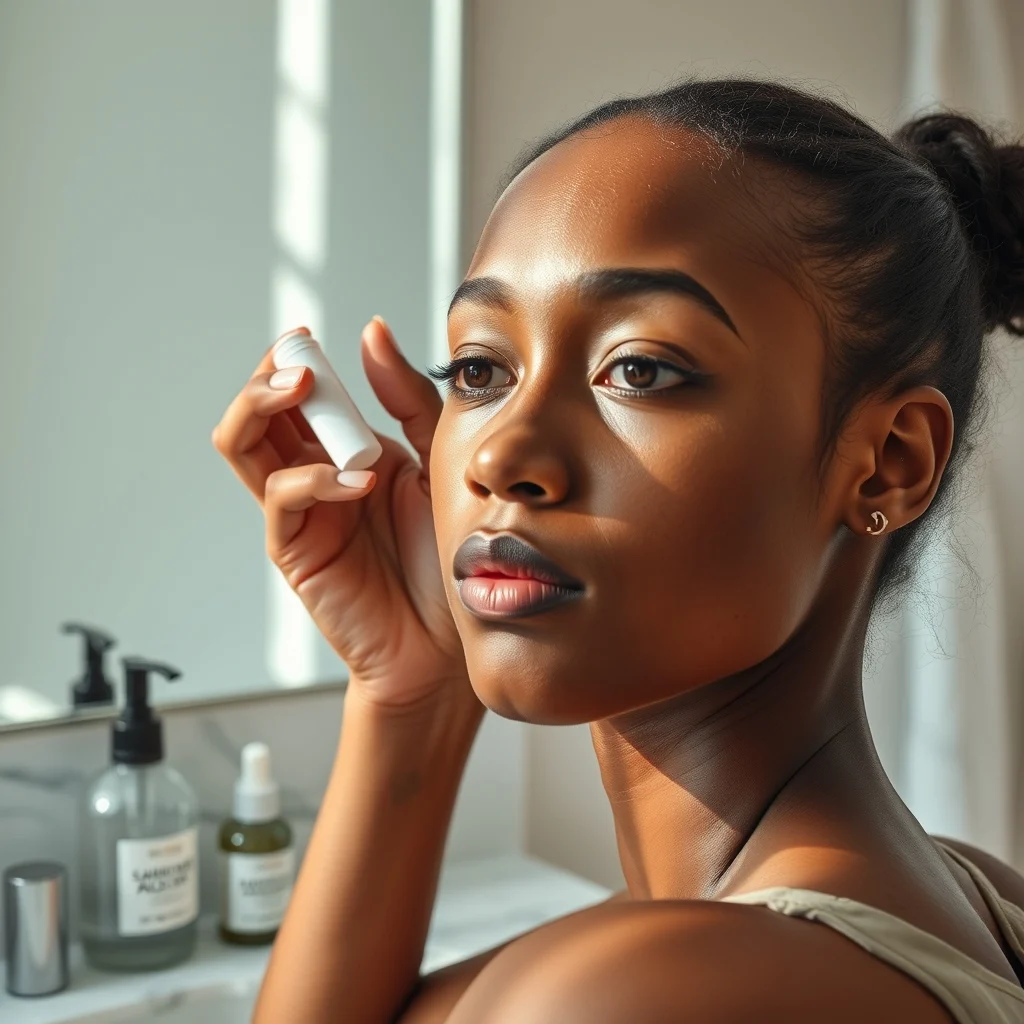
Struggling with persistent acne can feel overwhelming, but the right approach can transform your routine and your complexion. Whether you’re dealing with occasional breakouts or chronic blemishes, a step-by-step acne treatment routine tailored to your skin’s needs is the key to gradual, sustainable improvement. The secret lies in consistency, patience, and understanding what your skin truly requires—without overcomplicating your regimen.
Many people make the mistake of jumping into treatments without a clear plan, leading to frustration or even irritation. A structured approach ensures you address acne at its root while minimizing side effects. Below, we’ll break down a simple yet effective routine that focuses on cleansing, treating, and protecting your skin—without neglecting hydration or barrier repair.
Understand Your Skin’s Unique Needs
Not all acne responds to the same treatments, which is why a one-size-fits-all approach rarely works. Start by identifying whether your acne is primarily caused by excess oil, clogged pores, bacteria, or inflammation. For instance, oily skin may benefit from salicylic acid to unclog pores, while dry or sensitive skin might need gentler, hydrating ingredients like niacinamide or hyaluronic acid.
If you’re unsure about your skin type, observe how it reacts to different products over a few weeks. Does it feel tight after cleansing? Is it prone to redness? These clues can guide you toward the right ingredients. For example, if your skin feels dry or irritated easily, avoid harsh scrubs or alcohol-based toners, as they can exacerbate breakouts by disrupting your skin’s natural barrier.
Another critical factor is consistency. Acne treatments take time to show results—typically four to six weeks—so avoid the temptation to switch products too frequently. Stick with a routine for at least a month before making adjustments, and always introduce new products one at a time to monitor how your skin reacts.
Build a Morning and Evening Routine
A well-structured step-by-step acne treatment routine should include both morning and evening steps to address breakouts effectively. In the morning, your focus should be on protection and hydration, while the evening is the best time to target active ingredients that repair and treat.
Start your morning routine with a gentle cleanser that won’t strip your skin of its natural oils. Follow up with a lightweight, oil-free moisturizer to keep your skin hydrated without clogging pores. If you use a serum, opt for one with ingredients like niacinamide or azelaic acid, which help reduce redness and inflammation. Always apply sunscreen as the final step—this is non-negotiable, as sun exposure can worsen acne scars and hyperpigmentation.
In the evening, deep cleanse with a cleanser containing salicylic acid or benzoyl peroxide to kill bacteria and unclog pores. If you’re using a retinoid or other acne-fighting actives, apply them after cleansing but before moisturizing. Retinoids work by increasing cell turnover, which helps prevent clogged pores and promotes smoother skin. Finish with a hydrating serum or moisturizer to maintain your skin’s moisture balance, especially if you’re using drying ingredients.
Incorporate Targeted Treatments
While a basic routine is essential, targeted treatments can accelerate results for stubborn acne. For example, spot treatments with benzoyl peroxide or tea tree oil can help reduce inflammation and kill acne-causing bacteria. However, these ingredients can be drying, so use them sparingly and always follow up with a moisturizer.
Another powerful ingredient is azelaic acid, which reduces inflammation, evens out skin tone, and helps with mild to moderate acne. It’s also gentle enough for sensitive skin, making it a versatile addition to your routine. If you have persistent acne, consider adding a peptide-based treatment or PDRN (Polideoxyribonucleotide) serum, which supports skin regeneration and reduces scarring over time.
Don’t overlook exfoliation—both chemical and physical exfoliation can help prevent clogged pores, but use them wisely. Chemical exfoliants like glycolic acid or lactic acid can be used 2–3 times a week, while physical exfoliants should be limited to once a week to avoid irritation. Over-exfoliating can strip your skin’s protective barrier, leading to more breakouts.
Protect and Repair Your Skin Barrier
One of the most common mistakes in acne treatment is neglecting the skin barrier. A healthy barrier is essential for preventing irritation, redness, and breakouts. If your skin feels tight, dry, or sensitive, it’s a sign that your barrier is compromised. To repair it, incorporate ingredients like ceramides, cholesterol, and fatty acids into your routine. These help restore the skin’s natural protective layer.
Hydration is another critical component of barrier repair. Even oily skin needs moisture—just opt for oil-free or gel-based hydrators. A good rule of thumb is to use a moisturizer that feels like a lightweight mist or gel rather than a heavy cream. If your skin is very dry, consider adding a hydrating mask once a week to replenish moisture.
Finally, avoid touching your face throughout the day, as this can transfer bacteria and irritants to your skin. If you wear makeup, always remove it thoroughly before bed, and opt for non-comedogenic (non-pore-clogging) products. Even if you don’t wear makeup, always cleanse your face twice daily to keep pores clear.
Adjust Based on Your Progress
As you follow your routine, pay attention to how your skin responds. If you notice improvement after a few weeks, you’re on the right track. However, if breakouts persist or worsen, it may be time to adjust your approach. For example, if your skin becomes overly dry or irritated, reduce the frequency of active ingredients like retinoids or benzoyl peroxide.
If your acne remains stubborn, consider consulting a dermatologist for professional treatments like chemical peels, laser therapy, or prescription-strength medications. These can provide more targeted results for severe or treatment-resistant acne. In the meantime, stick to your routine and be patient—clearer skin is within reach with the right approach.
Remember, acne treatment isn’t about quick fixes but about building a sustainable routine that works for your skin. By understanding your skin’s needs, using the right products, and protecting your skin barrier, you’ll see gradual but lasting improvements. Start today, and give your skin the care it deserves.
You may also like
-
Acne Treatment Guides: What Most People Get Wrong
-
Acne Treatment Guides: A Barrier-First, Skinimalism Approach for Clearer Skin
-
Acne Treatment Guides: A Barrier-First Approach for Clearer Skin
-
Acne Treatment Guides: A Barrier-First, Skinimalism Approach for Clearer Skin
-
Panduan Lengkap Acne Treatment: Cara Mulai dengan Pendekatan Skinimalis yang Efektif