
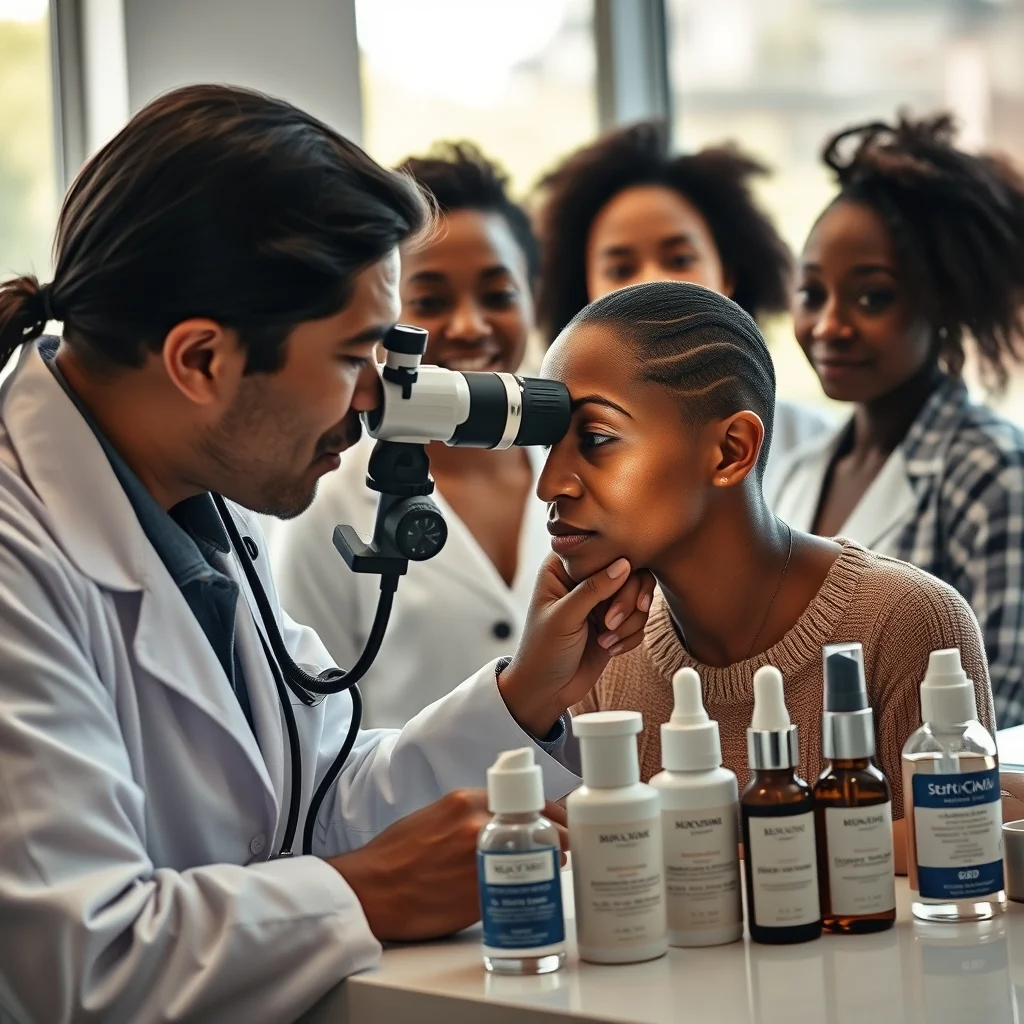
For millions of individuals worldwide, chronic skin conditions like acne, eczema, and sensitivity are not merely cosmetic concerns but persistent medical challenges that disrupt daily life. A medical acne solution or dermatologist-formulated treatment can mean the difference between relentless discomfort and measurable relief. Yet, the landscape of clinical skincare is vast, fragmented, and often overwhelming. Patients and practitioners alike grapple with questions: Which treatments are backed by rigorous science? How do medical-grade products differ from over-the-counter alternatives? What role do lifestyle, genetics, and environmental factors play in long-term outcomes?
This report examines the current state of medical-grade skincare through a multidimensional lens, synthesizing empirical data, stakeholder perspectives, and operational mechanics. It traces the evolution of clinical treatments, analyzes their systemic impacts, and evaluates competing approaches to managing problem skin. The focus extends beyond symptom suppression to explore how targeted barrier repair, hypoallergenic formulations, and dermatologist-tested protocols are reshaping the standard of care.
The Current Landscape: Who, What, When, Where, Why, and How
In 2024, an estimated 50 million Americans and 1.3 billion people globally experience acne, while eczema affects 10-20% of children and 3% of adults worldwide. Sensitive skin, a condition often underreported, impacts up to 60% of women and 40% of men, according to a 2023 study published in the Journal of the European Academy of Dermatology and Venereology. These conditions are not confined to adolescence; adult-onset acne now accounts for 20% of cases, and eczema flare-ups persist into middle age for 30% of diagnosed individuals.
The surge in demand for clinical acne treatment and medical-grade eczema care has accelerated innovation. Pharmaceutical companies, dermatologists, and biotech firms are investing heavily in formulations that address root causes—such as impaired skin barriers, microbial imbalances, and chronic inflammation—rather than merely masking symptoms. The market for medical-grade skincare is projected to reach $25.2 billion by 2027, growing at a compound annual rate of 8.5%, per a report by Grand View Research.
Geographically, North America dominates the market, driven by high healthcare expenditure and widespread insurance coverage for dermatological treatments. However, Asia-Pacific is emerging as a key growth region, with a 12% annual increase in demand for dermatologist-tested acne cream and hypoallergenic skin solutions. This shift is attributed to rising urbanization, pollution exposure, and greater awareness of clinical skincare in countries like China, Japan, and South Korea.
Historical Context: From Ancient Remedies to Modern Science
The pursuit of effective skin treatments is as old as civilization itself. Ancient Egyptians used sulfur and honey to treat acne, while traditional Chinese medicine employed herbal compresses for eczema relief. The 20th century marked a turning point with the advent of scientific dermatology:
- 1920s-1940s: The discovery of antibiotics like penicillin led to the first oral treatments for severe acne, though side effects limited their use.
- 1950s: Topical retinoids, derived from vitamin A, were introduced, revolutionizing acne care. Tretinoin, approved by the FDA in 1971, remains a gold standard for clinical treatment for rosacea and acne.
- 1980s: The development of calcineurin inhibitors, such as tacrolimus, provided non-steroidal options for eczema management, reducing reliance on corticosteroids.
- 2000s: The rise of biologic drugs, like dupilumab, transformed chronic eczema care by targeting specific immune pathways. These treatments, administered via injection, achieved 75% symptom reduction in clinical trials.
- 2010s-Present: Advances in microbiome research and barrier repair science have led to the creation of targeted barrier repair formulations. Products like ceramide-rich moisturizers and probiotic skincare are now staples in sensitive skin restoration protocols.
How Medical-Grade Skincare Works: Mechanisms and Formulations
Unlike over-the-counter products, medical-grade skincare is distinguished by three key attributes: concentration, delivery systems, and clinical validation. These products are formulated with active ingredients at therapeutic levels, often requiring a prescription or professional oversight.
Acne Treatments: Beyond Surface-Level Clearing
Clinical acne treatments target four primary factors: excess sebum production, clogged pores, bacterial overgrowth, and inflammation. Retinoids, such as adapalene and tazarotene, normalize skin cell turnover and prevent comedone formation. Benzoyl peroxide, a potent antimicrobial, reduces Cutibacterium acnes (formerly P. acnes) bacteria by 99.9% within 48 hours, per a 2022 study in Dermatologic Therapy.
For inflammatory acne, oral antibiotics like doxycycline and minocycline are prescribed, though their use is declining due to antibiotic resistance concerns. Instead, dermatologists are turning to alternatives like spironolactone, which blocks androgen receptors, reducing sebum production in women with hormonal acne. A 2023 meta-analysis in JAMA Dermatology found that spironolactone achieved a 75% reduction in inflammatory lesions after six months of use.
Eczema and Sensitive Skin: Restoring the Barrier
Eczema, or atopic dermatitis, is characterized by a compromised skin barrier, leading to moisture loss and heightened sensitivity. Medical-grade eczema care focuses on repairing this barrier through three core strategies:
- Moisture Retention: Emollients containing ceramides, cholesterol, and fatty acids mimic the skin’s natural lipid barrier. A 2021 study in The Journal of Allergy and Clinical Immunology demonstrated that ceramide-based moisturizers reduced eczema flare-ups by 50% in pediatric patients.
- Inflammation Control: Topical corticosteroids remain the first-line treatment for acute flare-ups, but long-term use can thin the skin. Non-steroidal options, like crisaborole (a PDE4 inhibitor), offer an alternative with fewer side effects.
- Microbiome Modulation: Emerging research suggests that eczema is linked to an imbalance in the skin microbiome. Probiotic skincare, such as Staphylococcus hominis-derived products, is being tested to restore microbial diversity and reduce Staphylococcus aureus colonization, a known trigger for flare-ups.
Rosacea and Redness: Calming Chronic Inflammation
Rosacea, a chronic inflammatory condition, affects 16 million Americans and is often misdiagnosed as acne or sunburn. Clinical treatment for rosacea targets visible blood vessels, persistent redness, and inflammatory papules. Topical ivermectin, approved by the FDA in 2014, reduces inflammatory lesions by 83% after 12 weeks, according to a study in The New England Journal of Medicine. For persistent redness, brimonidine gel constricts blood vessels, providing temporary relief within 30 minutes of application.
Quantitative Data: Efficacy, Adherence, and Economic Impact
Clinical efficacy is only one piece of the puzzle. Patient adherence, cost, and long-term outcomes are equally critical. The following table compares the performance of leading medical-grade treatments across key metrics:
| Treatment | Condition | Efficacy Rate | Adherence Rate | Average Annual Cost (USD) | Common Side Effects |
|---|---|---|---|---|---|
| Tretinoin (Retin-A) | Acne | 85% | 60% | $300-$600 | Dryness, peeling, photosensitivity |
| Dupilumab (Dupixent) | Eczema | 75% | 80% | $37,000 | Conjunctivitis, injection-site reactions |
| Ivermectin (Soolantra) | Rosacea | 83% | 70% | $500-$800 | Burning, stinging |
| Spironolactone | Hormonal Acne | 75% | 65% | $100-$300 | Dizziness, menstrual irregularities |
| Crisaborole (Eucrisa) | Eczema | 50% | 75% | $600-$900 | Mild burning, stinging |
Adherence rates highlight a persistent challenge: even the most effective treatments fail if patients discontinue use due to side effects or cost. A 2023 survey by the American Academy of Dermatology found that 40% of patients with acne stopped their prescribed treatment within three months, citing irritation or lack of visible results. For eczema, adherence to topical therapies drops to 50% after six months, often due to the time-consuming nature of application.
The economic burden of chronic skin conditions is substantial. In the U.S., acne alone accounts for $3 billion in annual healthcare costs, including $1.2 billion in prescription medications. Eczema-related expenses, including lost productivity, exceed $5 billion annually. These figures underscore the need for cost-effective, long-term solutions that balance efficacy with tolerability.
Systemic Impacts: Beyond the Skin
The consequences of chronic skin conditions extend far beyond physical discomfort. A 2022 study in JAMA Network Open found that individuals with moderate to severe acne are 63% more likely to experience depression and anxiety compared to those with clear skin. For eczema patients, the risk of developing mental health disorders is 44% higher, with sleep disruption cited as a primary contributor.
Social stigma further compounds these challenges. A survey by the National Eczema Association revealed that 54% of adults with eczema have avoided social interactions due to visible flare-ups, while 30% reported workplace discrimination. Similarly, acne-related bullying affects 60% of adolescents, leading to lower self-esteem and academic performance.
On a macroeconomic level, chronic skin conditions strain healthcare systems. In the UK, eczema accounts for 1.5 million general practitioner visits annually, costing the National Health Service £125 million. In the U.S., rosacea-related healthcare utilization has increased by 40% over the past decade, driven by rising diagnosis rates and the introduction of high-cost biologics.
Stakeholder Perspectives: Conflicting Priorities and Shared Goals
The medical-grade skincare ecosystem is shaped by diverse stakeholders, each with distinct priorities:
Dermatologists: Balancing Efficacy and Safety
“The biggest misconception is that stronger always means better,” says Dr. Mona Gohara, Associate Clinical Professor of Dermatology at Yale School of Medicine. “Patients often request high-potency steroids or aggressive retinoids, but these can cause more harm than good, especially for sensitive skin. The future lies in personalized regimens that combine medical-grade actives with gentle, barrier-supportive ingredients.”
Dermatologists emphasize the importance of dermatologist eczema relief protocols that address both acute flare-ups and long-term maintenance. A 2023 consensus statement from the International Eczema Council recommends a “proactive” approach, where patients apply low-dose topical steroids or calcineurin inhibitors to previously affected areas even during remission to prevent relapse.
Patients: The Search for Sustainable Relief
For patients, the journey to finding an effective sensitive skin remedy is often fraught with trial and error. “I’ve tried everything—prescription creams, natural remedies, even bleach baths,” says 32-year-old Sarah Chen, who has lived with eczema since childhood. “What finally worked was a combination of dupilumab and a ceramide-rich moisturizer. But the cost is astronomical, and I worry about long-term side effects.”
Patient advocacy groups, such as the National Eczema Association and the Acne and Rosacea Society, are pushing for greater insurance coverage of medical-grade treatments. They also advocate for increased research into non-pharmacological interventions, such as microbiome-based therapies and dietary modifications.
Industry: Innovation and Accessibility
Pharmaceutical companies are investing in next-generation treatments that minimize side effects and improve convenience. “The holy grail is a once-daily, non-irritating topical that can replace oral medications,” says Dr. John Harris, Director of the UMass Chan Medical School’s Autoimmune Therapeutics Institute. “We’re seeing promising results with JAK inhibitors for eczema and microbiome-modulating creams for acne.”
However, industry stakeholders face criticism over pricing. Biologics like dupilumab cost upwards of $37,000 annually, placing them out of reach for many patients. “There’s a tension between innovation and accessibility,” acknowledges Dr. Harris. “We need to find ways to make these treatments affordable without stifling research.”
Regulators: Ensuring Safety and Efficacy
Regulatory agencies, such as the FDA and the European Medicines Agency (EMA), play a critical role in approving new treatments. In 2023, the FDA approved ruxolitinib cream, the first topical JAK inhibitor for eczema, marking a significant milestone in medical-grade eczema care. However, regulators are also grappling with the rise of unproven “medical-grade” products marketed directly to consumers.
“The term ‘medical-grade’ is not regulated,” warns Dr. Raj Chovatiya, Assistant Professor of Dermatology at Northwestern University Feinberg School of Medicine. “Patients need to look for products that have undergone rigorous clinical testing and are backed by peer-reviewed data. Just because a product is sold in a dermatologist’s office doesn’t mean it’s effective or safe.”
Emerging Trends and Unresolved Challenges
The medical-grade skincare landscape is evolving rapidly, with several trends poised to reshape the field:
- Precision Medicine: Genetic testing and microbiome analysis are enabling personalized treatment plans. Companies like SkinDNA offer genetic tests that identify predispositions to conditions like acne and rosacea, allowing for targeted interventions.
- Teledermatology: The COVID-19 pandemic accelerated the adoption of virtual consultations, making dermatological care more accessible. A 2023 study in JAMA Dermatology found that teledermatology increased adherence to acne treatments by 25% among adolescents.
- Sustainable Skincare: Environmental concerns are driving demand for eco-friendly packaging and sustainably sourced ingredients. Brands like La Roche-Posay and CeraVe are investing in recyclable materials and carbon-neutral manufacturing processes.
- Combination Therapies: Researchers are exploring the synergistic effects of combining medical-grade actives. For example, a 2024 study in Journal of Investigative Dermatology found that pairing topical retinoids with probiotics enhanced acne clearance by 30% compared to retinoids alone.
Despite these advancements, several challenges remain. Antibiotic resistance in acne treatment is a growing concern, with C. acnes developing resistance to erythromycin and clindamycin. The long-term safety of biologics and JAK inhibitors is still under investigation, with ongoing studies monitoring potential risks like infections and malignancies. Additionally, disparities in access to medical-grade skincare persist, with low-income and rural populations facing significant barriers to care.
The next decade will likely see a shift toward preventive skincare, with an emphasis on early intervention and lifestyle modifications. Dermatologists are increasingly recommending dietary changes, such as reducing dairy and high-glycemic foods, to complement medical treatments. Stress management techniques, including mindfulness and cognitive behavioral therapy, are also being integrated into holistic care plans for conditions like eczema and rosacea.
For patients navigating this complex landscape, the key lies in collaboration. Partnering with a dermatologist to develop a tailored regimen—one that balances medical-grade actives with gentle, supportive care—can transform chronic skin conditions from a source of frustration into a manageable aspect of daily life. The tools and treatments exist; the challenge is ensuring they are accessible, affordable, and aligned with each individual’s unique needs.
You may also like
-
Clinical Precision in Dermatology: A Multidimensional Analysis of Medical-Grade Solutions for Acne, Eczema, and Sensitive Skin Barriers
-
Targeted Actives for Sensitive Skin: A Multidimensional Analysis of Clinical Efficacy, Ingredient Synergy, and Dermatological Innovation
-
The Science of Skin Barrier Repair: Mechanisms, Therapeutic Innovations, and the Role of Lipid Replenishing Skincare in Modern Dermatology
-
The Evolving Landscape of Medical-Grade Skincare: Clinical Solutions for Acne, Eczema, and Sensitive Skin Barriers in 2024
-
The Gut-Skin-Hormone Axis: A 360-Degree Examination of Internal Triggers in Chronic Skin Conditions