
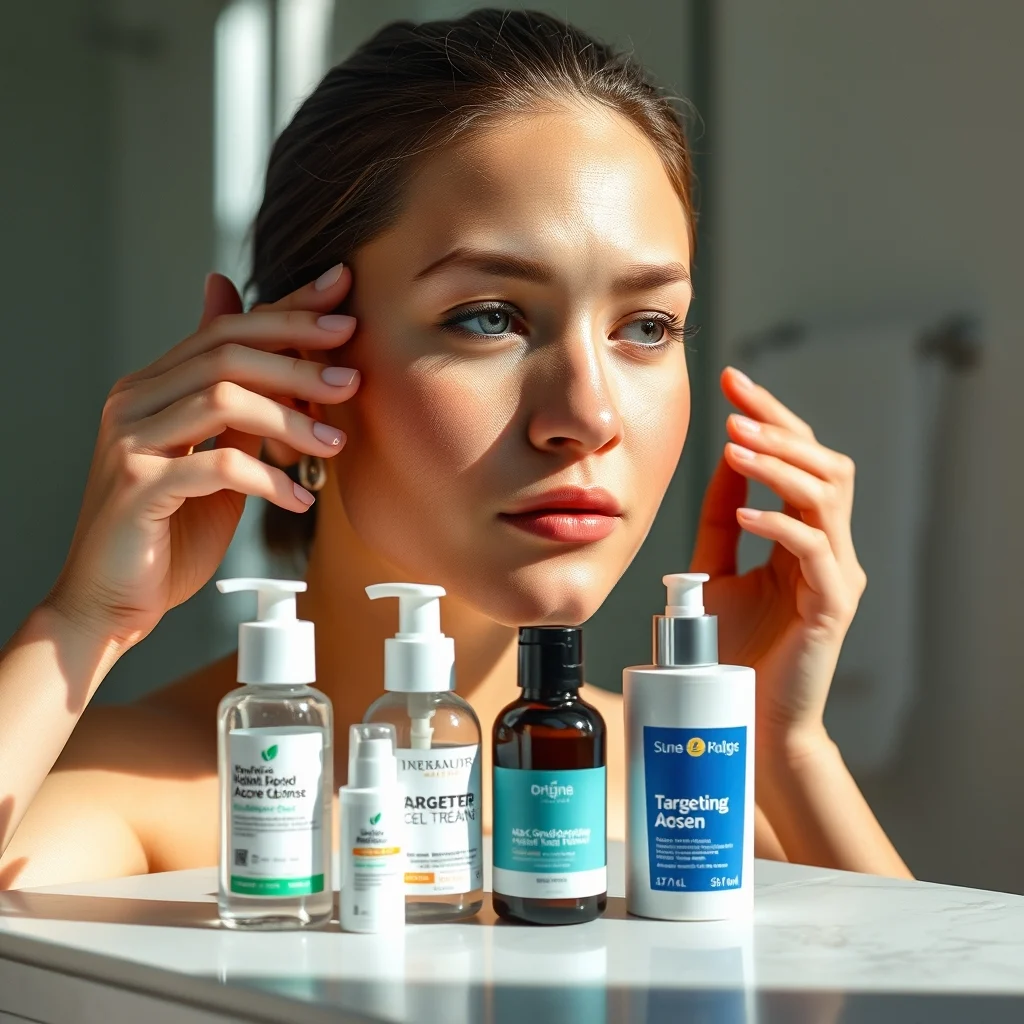
Struggling with breakouts can feel like an endless cycle of trial and error. Whether you’re new to acne treatment guides or looking to refine your approach, a structured routine can make all the difference. The key is consistency and understanding what your skin truly needs—without overwhelming it with harsh products or complicated steps. This guide simplifies the process, helping you build a routine that works for your skin type and lifestyle.
Start with a Gentle Cleanser
A solid routine begins with cleansing, but not all cleansers are created equal. For acne-prone skin, opt for a gentle, sulfate-free formula that removes impurities without stripping your skin’s natural moisture. Harsh cleansers can trigger excess oil production, leading to more breakouts. Instead, look for ingredients like salicylic acid or tea tree oil, which help unclog pores while soothing inflammation.
Wash your face twice daily—morning and night—to keep pores clear. Over-cleansing can irritate your skin, so stick to lukewarm water and avoid scrubbing too hard. Pat your face dry with a clean towel to prevent bacteria transfer, and follow up with the next step in your routine.
Incorporate a Targeted Treatment
After cleansing, apply a treatment that addresses acne at its source. Ingredients like benzoyl peroxide, niacinamide, or retinoids can help reduce inflammation and prevent new breakouts. If you’re new to these actives, start with a lower concentration to avoid irritation. For example, a 2.5% benzoyl peroxide gel is often enough to see results without drying out your skin.
Apply the treatment to affected areas only, not your entire face, unless directed otherwise. This minimizes dryness and keeps your skin barrier intact. If you’re using a retinoid, introduce it gradually—once or twice a week—to let your skin adjust. Pairing it with a moisturizer can also help reduce irritation.
Hydrate Without Clogging Pores
Many people with acne avoid moisturizers, fearing they’ll make breakouts worse. However, skipping hydration can lead to dryness, which triggers more oil production. The trick is choosing a lightweight, non-comedogenic moisturizer that won’t clog pores. Look for terms like “oil-free” or “gel-based” on the label.
Hyaluronic acid is a great ingredient for acne-prone skin because it hydrates without adding oil. Apply your moisturizer after your treatment to lock in hydration and support your skin’s barrier. If your skin feels tight or flaky, it’s a sign you need more moisture—don’t skip this step.
Protect Your Skin with SPF
Sunscreen is non-negotiable, even for acne-prone skin. Many acne treatments increase sun sensitivity, making your skin more prone to damage. A broad-spectrum SPF of at least 30 shields your skin from harmful UV rays, preventing dark spots and premature aging.
Opt for a mineral-based sunscreen with zinc oxide or titanium dioxide, as these are less likely to irritate sensitive skin. If you’re concerned about greasiness, try a mattifying formula or a sunscreen designed for oily skin. Apply it every morning, even on cloudy days, to keep your skin protected.
Exfoliate Wisely
Exfoliation helps remove dead skin cells that can clog pores, but overdoing it can worsen acne. Chemical exfoliants like AHAs (glycolic acid) or BHAs (salicylic acid) are gentler than physical scrubs and more effective at preventing breakouts. Start with a low concentration and use it 1-2 times a week to avoid irritation.
If your skin feels sensitive, opt for a BHA, which penetrates deeper into pores and reduces inflammation. Always follow exfoliation with a moisturizer to soothe your skin. If you notice redness or peeling, scale back and give your skin time to recover.
Listen to Your Skin
No two skin types are the same, so pay attention to how your skin reacts to products. If a treatment causes excessive dryness or irritation, it might not be the right fit. Adjust your routine as needed, and don’t hesitate to simplify it if your skin feels overwhelmed.
Remember, acne treatment guides are about finding what works for you. Consistency is key, but so is patience. With the right approach, clearer skin is within reach—one step at a time.
You may also like
-
Acne Treatment Guides: What Most People Get Wrong
-
Acne Treatment Guides: A Barrier-First, Skinimalism Approach for Clearer Skin
-
Acne Treatment Guides: A Barrier-First Approach for Clearer Skin
-
Acne Treatment Guides: A Barrier-First, Skinimalism Approach for Clearer Skin
-
Panduan Lengkap Acne Treatment: Cara Mulai dengan Pendekatan Skinimalis yang Efektif