
Introduction
Acne can be remarkably persistent. Just when one blemish begins to disappear, another may emerge, leaving behind redness, uneven texture, and lingering dark spots. Finding the best acne treatment therefore requires more than purchasing whichever serum happens to dominate social media.
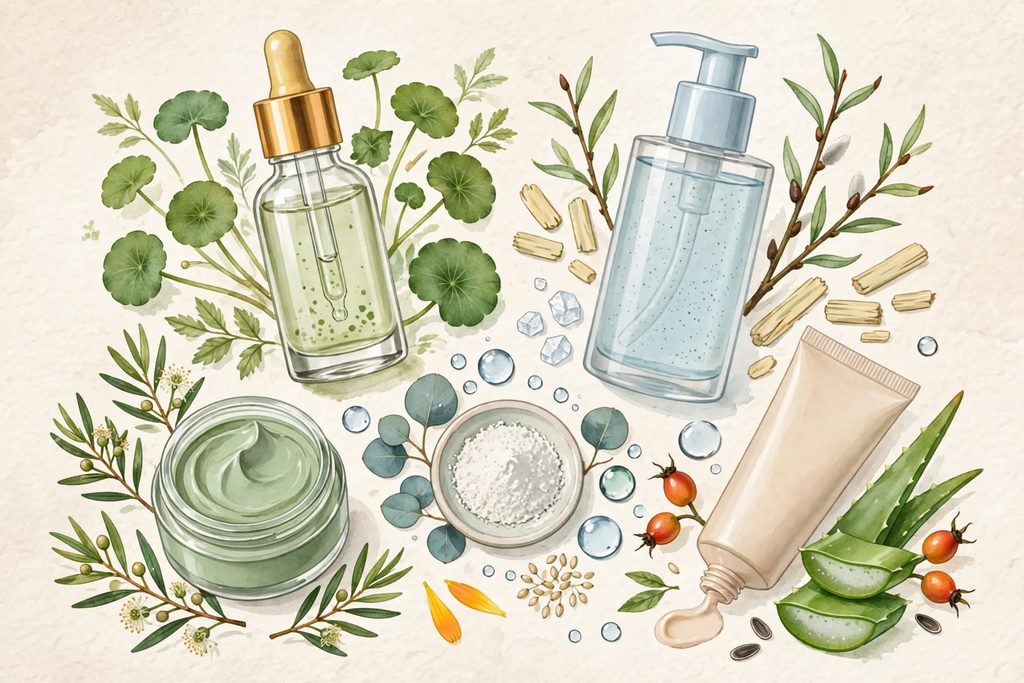
Effective acne care starts with understanding what causes breakouts. Excess sebum, clogged pores, inflammation, and acne-associated bacteria all contribute to the development of blemishes. Different treatments target different aspects of this process.
Fortunately, several scientifically supported ingredients and dermatological treatments can help manage acne. Some are available over the counter, while others require professional guidance.
Here are 10 worthwhile options to consider when building a more effective acne-care routine.
Table of Contents
- Benzoyl Peroxide
- Salicylic Acid
- Adapalene and Other Retinoids
- Azelaic Acid
- Niacinamide
- Topical Antibiotics
- Oral Antibiotics
- Hormonal Acne Treatments
- Isotretinoin
- Professional Dermatological Treatments
1. Benzoyl Peroxide: A Reliable Treatment for Inflamed Acne
Benzoyl peroxide is one of the most established ingredients in acne skincare. It helps reduce acne-associated bacteria while addressing inflammatory blemishes.
It is particularly useful for papules and pustules, which often appear as red, swollen pimples containing visible pus.
Available in cleansers, gels, and creams, benzoyl peroxide commonly comes in concentrations ranging from 2.5% to 10%. Starting with a lower concentration can help minimize unnecessary irritation.
Why consider it?
- Helps reduce acne-associated bacteria.
- Addresses inflammatory breakouts.
- Available in several convenient formulations.
One important precaution: benzoyl peroxide can dry the skin and bleach fabrics. Introduce it gradually and keep it away from colored towels and pillowcases.
2. Salicylic Acid: Unclogging Pores and Reducing Blackheads
Salicylic acid is a beta-hydroxy acid (BHA) known for its ability to penetrate oil within pores.
Unlike ingredients that primarily target inflammation, salicylic acid helps loosen accumulated dead skin cells and excess sebum. This makes it particularly useful for blackheads, whiteheads, and congested skin.
It is commonly found in facial cleansers, toners, and leave-on exfoliating treatments.
For beginners, a modest concentration used according to product instructions is generally a sensible starting point.
Avoid combining multiple strong exfoliants immediately. Excessive exfoliation can compromise the skin barrier, producing dryness, irritation, and additional discomfort.
3. Adapalene and Other Retinoids: Addressing Acne at Its Source
Topical retinoids are among the most important treatments for acne-prone skin.
Adapalene, tretinoin, and other retinoids help regulate skin-cell turnover, prevent clogged pores, and reduce inflammation. They are particularly useful for comedonal acne, including blackheads and whiteheads.
Adapalene is available without a prescription in some countries, while other retinoids may require medical supervision.
Apply according to professional or product guidance, usually in the evening. Start gradually if irritation occurs, and use moisturizer to support skin comfort.
Retinoids are not suitable during pregnancy or when trying to become pregnant. Anyone who is pregnant, breastfeeding, or planning pregnancy should consult a healthcare professional before using acne medication.
4. Azelaic Acid: A Versatile Option for Acne and Dark Spots
Azelaic acid deserves attention because it addresses several concerns simultaneously.
It has antibacterial, anti-inflammatory, and pore-clearing properties. It can also help improve post-inflammatory hyperpigmentation, the dark marks that sometimes remain after acne lesions heal.
This makes it particularly appealing to individuals dealing with both active breakouts and uneven skin tone.
Azelaic acid is available in different formulations and concentrations. Some products are sold over the counter, while stronger preparations may require a prescription.
Although generally well tolerated, it can occasionally cause itching, stinging, or dryness.
5. Niacinamide: Supporting the Skin Barrier
Niacinamide, a form of vitamin B3, is widely used in skincare because of its multiple cosmetic benefits.
It can help regulate excess oil, improve the appearance of uneven skin tone, and support the skin barrier. Its anti-inflammatory properties may also help reduce the appearance of redness associated with blemishes.
Unlike stronger acne medications, niacinamide is often incorporated into everyday serums and moisturizers.
It is not usually sufficient as a standalone solution for moderate or severe acne. However, it can complement other treatments by helping maintain skin comfort.
Look for a formulation that suits your skin rather than assuming that a higher concentration will automatically produce better results.
6. Topical Antibiotics: Managing Persistent Inflammation
Topical antibiotics, such as clindamycin, may be prescribed for inflammatory acne.
These medications help reduce acne-associated bacteria and inflammation. They are often used alongside benzoyl peroxide or another appropriate topical treatment.
There is an important reason for this combination: using topical antibiotics alone can contribute to antibiotic resistance.
Treatment should follow a healthcare professional’s instructions, including the recommended duration. Antibiotics are not intended to become permanent additions to an everyday skincare routine.
For persistent inflammatory breakouts, a dermatologist can determine whether this approach is appropriate.
7. Oral Antibiotics: An Option for Moderate to Severe Acne
When acne affects larger areas of the face, chest, or back, topical products may not provide sufficient control.
In these situations, a dermatologist may prescribe an oral antibiotic such as doxycycline.
Oral antibiotics work throughout the body to reduce inflammation and acne-associated bacteria. They are generally prescribed for a limited period and combined with topical treatments.
They are not suitable for everyone and may cause side effects, including gastrointestinal discomfort and increased sensitivity to sunlight.
Never use leftover antibiotics or take prescription medication without medical guidance. Responsible prescribing helps reduce unnecessary exposure and antimicrobial resistance.
8. Hormonal Acne Treatments: Targeting Internal Triggers
Hormonal fluctuations can influence sebum production and contribute to persistent breakouts, particularly around the chin, jawline, and lower cheeks.
For appropriate patients, dermatologists may recommend hormonal treatments such as combined oral contraceptives or spironolactone.
These medications work differently from conventional topical acne products. Rather than simply treating surface blemishes, they address hormonal factors that can contribute to excessive oil production.
A newer topical option, clascoterone, also targets androgen activity in the skin.
Hormonal treatments require medical assessment because suitability depends on individual health circumstances, potential side effects, and other medications.
9. Isotretinoin: A Powerful Option for Severe Acne
Isotretinoin is a prescription oral medication generally reserved for severe, scarring, or treatment-resistant acne.
It works by substantially reducing oil production, helping prevent clogged pores, and decreasing inflammation.
For some people with persistent nodular acne, isotretinoin can provide significant long-term improvement.
However, it requires careful medical supervision. Potential adverse effects include dry lips, dry skin, and changes in certain laboratory measurements.
Isotretinoin can cause severe birth defects and must not be used during pregnancy. Strict pregnancy-prevention requirements and monitoring apply to patients who could become pregnant.
It is not an ordinary over-the-counter solution. A qualified dermatologist must assess whether its potential benefits outweigh its risks.
10. Professional Dermatological Treatments
Professional treatments can complement medication when acne persists or leaves noticeable textural changes.
Depending on the individual’s condition, a dermatologist may recommend:
- Corticosteroid injections: Sometimes used to reduce the size and discomfort of large, inflamed acne nodules.
- Chemical peels: Certain professionally administered peels may help improve clogged pores and uneven skin texture.
- Comedone extraction: A trained professional can safely remove selected blackheads and whiteheads.
- Acne scar procedures: Treatments such as microneedling or laser procedures may help improve certain types of established acne scars.
Not every procedure is appropriate for active acne. A professional assessment is essential before choosing an intervention.
How to Choose the Best Acne Treatment for Your Skin
The right treatment depends on the type and severity of acne, skin sensitivity, medical history, and previous treatment results.
| Acne concern | Treatment worth discussing |
|---|---|
| Blackheads and whiteheads | Salicylic acid or topical retinoids |
| Inflamed pimples | Benzoyl peroxide |
| Persistent clogged pores | Adapalene or another topical retinoid |
| Acne and dark marks | Azelaic acid |
| Moderate inflammatory acne | Prescription combination therapy |
| Hormonal breakouts | Clinician-assessed hormonal treatment |
| Severe or scarring acne | Dermatologist-supervised isotretinoin |
A simple routine can provide a useful foundation:
Morning
- Gentle facial cleanser.
- Suitable moisturizer.
- Broad-spectrum SPF 30 or higher sunscreen.
Evening
- Gentle cleanser.
- Prescribed or selected acne treatment.
- Moisturizer.
Introduce active ingredients gradually rather than combining several potent products immediately. Acne treatments often require several weeks to demonstrate meaningful improvement. The National Institute for Health and Care Excellence (NICE) recommends assessing many first-line acne treatments over a 12-week course.
Final Thoughts
Finding the best acne treatment is not about chasing every trending ingredient or applying the strongest available formula. It involves identifying the underlying acne pattern and selecting treatments that address it effectively.
Benzoyl peroxide, salicylic acid, retinoids, and azelaic acid offer useful options for different types of breakouts. Prescription medications and professional procedures may be necessary when acne becomes persistent, painful, or prone to scarring.
Patience matters. So does consistency.
With an appropriate treatment plan, realistic expectations, and professional guidance when necessary, clearer and healthier-looking skin can become a more attainable goal.
For additional evidence-based information about acne care and treatment options, explore:
- American Academy of Dermatology – Acne Treatment
- NHS – Acne Treatment
- American Academy of Dermatology – Acne Clinical Guidelines
- NICE – Acne Vulgaris: Management
More about Acne Treatment Guides: A Budget-Friendly Routine for Clearer Skin
You may also like
-
Acne Treatment Guides: A Budget-Friendly Routine for Clearer Skin
-
Acne Treatment Guides: A Barrier-First, Skinimalism Approach for Clearer Skin
-
Acne Treatment Guides: Quick Tips for Busy People to Clear Skin Fast
-
Acne Treatment Guides: A Barrier-First, Skinimalism Approach for Clearer Skin
-
Acne Treatment Guides: Step-by-Step Routine for Clearer Skin