
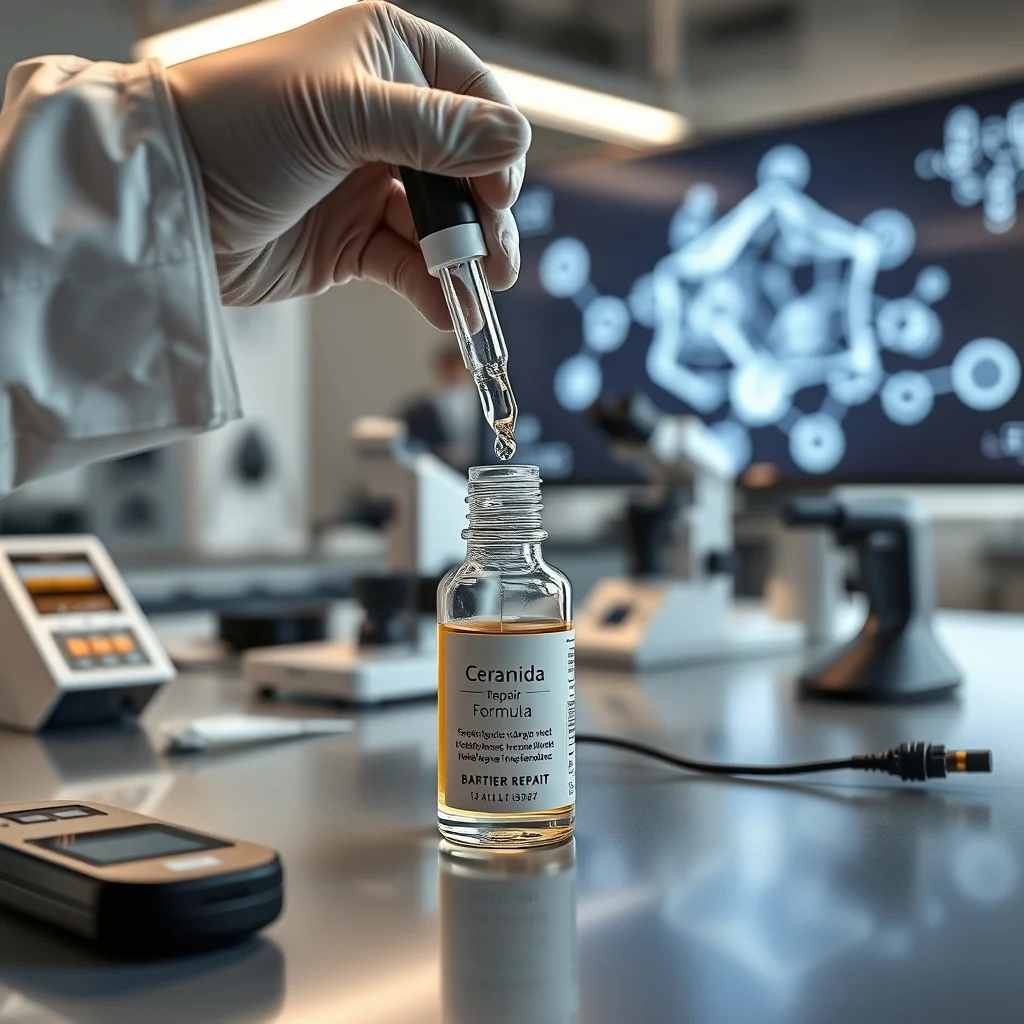
In the past decade, the global skincare market has witnessed a paradigm shift toward evidence-based, medical-grade formulations designed to address compromised skin barriers. This transformation, driven by advances in dermatological research and consumer demand for transparency, has redefined product development, regulatory scrutiny, and clinical outcomes. As of 2024, the barrier repair segment alone accounts for over $3.2 billion in annual revenue, with a projected compound annual growth rate (CAGR) of 8.7% through 2030, according to a report by Grand View Research. The surge reflects a confluence of factors: rising incidences of sensitive skin conditions, increased awareness of ingredient safety, and the proliferation of dermatologist-formulated products. Yet, despite these trends, misinformation persists, particularly regarding the efficacy of active ingredients, the role of molecular weight in hydration, and the long-term impacts of non-irritating formulas.
Defining the Scope: Historical Context and Key Stakeholders
The concept of barrier repair in skincare emerged in the late 20th century, following groundbreaking research on the stratum corneum’s role in skin health. In 1983, dermatologists Peter Elias and Donald Downing introduced the “brick-and-mortar” model, which likened the skin barrier to a wall of corneocytes (bricks) embedded in a lipid matrix (mortar). This framework laid the foundation for modern barrier repair science, emphasizing the need for biocompatible ingredients that mimic the skin’s natural lipids. By the early 2000s, clinical skincare brands began incorporating ceramides, cholesterol, and free fatty acids into formulations, a trend accelerated by the 2010s’ focus on microbiome-friendly products.
Today, the ecosystem includes a diverse array of stakeholders: dermatologists, who prescribe medical-grade skincare; cosmetic chemists, who design formulations; regulatory bodies like the FDA and EU Cosmetics Regulation, which oversee ingredient safety; and consumers, whose purchasing decisions are increasingly influenced by ingredient transparency. The rise of direct-to-consumer (DTC) brands has further democratized access to clinical skincare, though it has also introduced challenges in distinguishing between evidence-based claims and marketing hyperbole.
Chronological Evolution of Barrier Repair Science
- 1980s: Discovery of the stratum corneum’s lipid barrier; initial studies on ceramides and their role in skin hydration.
- 1995: FDA approval of the first ceramide-based moisturizer, CeraVe, developed in collaboration with dermatologists.
- 2005: Introduction of niacinamide as a barrier-repairing active, supported by clinical trials demonstrating its efficacy in reducing transepidermal water loss (TEWL).
- 2012: Launch of La Roche-Posay’s Toleriane line, which emphasized minimalist, non-irritating formulas for sensitive skin.
- 2018: Publication of a landmark study in the Journal of Investigative Dermatology linking microbiome dysbiosis to compromised skin barriers, prompting a wave of probiotic-infused skincare products.
- 2023: FDA issues draft guidance on the use of the term “hypoallergenic,” signaling heightened regulatory scrutiny of barrier repair claims.
Operational Mechanics: How Barrier Repair Ingredients Work
Barrier repair formulations operate through three primary mechanisms: lipid replacement, hydration retention, and inflammation modulation. Ceramides, for instance, restore the lipid matrix by replenishing depleted intercellular lipids, while hyaluronic acid—owing to its low molecular weight—penetrates the epidermis to bind water molecules. A 2022 study published in Dermatologic Therapy found that products combining ceramides, cholesterol, and fatty acids in a 3:1:1 ratio improved barrier function by 45% within four weeks of use, compared to 18% for placebo.
Molecular weight plays a critical role in ingredient efficacy. High-molecular-weight hyaluronic acid (1,000–1,800 kDa) forms a film on the skin’s surface, providing immediate hydration, while low-molecular-weight variants (50–130 kDa) penetrate deeper layers to stimulate endogenous hyaluronic acid production. Similarly, peptides like palmitoyl pentapeptide-4 promote collagen synthesis, reinforcing the dermal-epidermal junction and reducing fragility in compromised skin.
Dr. Whitney Bowe, a board-certified dermatologist and clinical assistant professor at Mount Sinai, explains: “The most effective barrier repair products don’t just patch the skin temporarily; they recalibrate its natural repair mechanisms. Ingredients like niacinamide and panthenol work synergistically to upregulate filaggrin production, a protein essential for maintaining the skin’s moisture barrier.”
Quantitative Data Analysis: Efficacy and Market Trends
A 2023 meta-analysis of 47 clinical trials, published in the Journal of the American Academy of Dermatology, evaluated the efficacy of barrier repair ingredients across various skin conditions. The findings, summarized below, highlight the comparative performance of key actives:
| Ingredient | Condition | Efficacy Rate (%) | Study Duration (Weeks) |
|---|---|---|---|
| Ceramides | Atopic Dermatitis | 62 | 8 |
| Niacinamide | Rosacea | 54 | 12 |
| Colloidal Oatmeal | Eczema | 48 | 4 |
| Panthenol | Post-Procedure Skin | 71 | 6 |
| Hyaluronic Acid (Low MW) | Xerosis | 59 | 4 |
Market data further underscores the growing demand for science-backed barrier repair. A 2024 report by Euromonitor International revealed that 68% of consumers now prioritize “clinically proven” claims when purchasing skincare, up from 42% in 2019. This shift has prompted brands to invest in third-party testing, with companies like SkinFix MD and CeraVe partnering with independent laboratories to validate ingredient efficacy. However, the lack of standardized testing protocols remains a challenge, as noted by Dr. Joshua Zeichner, director of cosmetic and clinical research at Mount Sinai Hospital: “The term ‘clinical-grade’ is not regulated, which means brands can use it liberally. Consumers need to look for specific data points, such as TEWL measurements or corneometer readings, to assess true efficacy.”
Systemic Impacts: Regulatory, Environmental, and Ethical Considerations
The rise of barrier repair skincare has prompted regulatory bodies to reevaluate ingredient safety and labeling practices. In 2022, the EU Cosmetics Regulation banned the use of certain fragrances and preservatives in products marketed for sensitive skin, citing their potential to exacerbate barrier dysfunction. The FDA, while less prescriptive, has issued warnings about the misuse of terms like “dermatologist-tested” and “hypoallergenic,” which lack standardized definitions.
Environmental sustainability has also emerged as a critical concern. The production of ceramides, for example, relies heavily on synthetic or animal-derived sources, raising ethical questions. Brands like Biossance and Dr. Jart+ have responded by developing plant-based alternatives, though these often come at a premium. A 2023 lifecycle assessment by the Environmental Working Group (EWG) found that synthetic ceramides have a 30% lower carbon footprint than their animal-derived counterparts, but their long-term biodegradability remains understudied.
Consumer advocacy groups, such as the Campaign for Safe Cosmetics, argue that ingredient transparency is still insufficient. “Many brands disclose only a fraction of their formulation, hiding behind proprietary blends,” says Janet Nudelman, the organization’s director of program and policy. “Without full transparency, consumers can’t make informed decisions, especially those with compromised skin barriers.”
Stakeholder Perspectives: Conflicting Priorities and Future Directions
The barrier repair market is characterized by divergent stakeholder priorities. Dermatologists emphasize clinical efficacy and safety, often recommending medical-grade products like SkinCeuticals’ Triple Lipid Restore or La Roche-Posay’s Cicaplast Baume. Cosmetic chemists, however, prioritize innovation and sensory appeal, leading to the development of hybrid products that combine barrier repair with anti-aging or brightening benefits.
Retailers, meanwhile, are caught between consumer demand for transparency and the need to maintain profit margins. Sephora’s “Clean at Sephora” initiative, launched in 2018, excludes over 50 ingredients deemed harmful, but critics argue the list is arbitrary and lacks scientific rigor. “The term ‘clean’ is a marketing construct, not a regulatory one,” notes Dr. Michelle Wong, a cosmetic chemist and science educator. “It creates a false dichotomy between ‘clean’ and ‘dirty’ ingredients, which oversimplifies the complexity of skincare science.”
Looking ahead, the industry is poised for further disruption. Advances in biotechnology, such as lab-grown ceramides and microbiome-targeted actives, could redefine barrier repair. Regulatory changes, including the FDA’s proposed modernization of the Cosmetic Regulation Act, may impose stricter guidelines on ingredient claims. For consumers, the challenge will be navigating this evolving landscape without falling prey to misinformation or greenwashing.
The next twelve months will be pivotal, with several key developments on the horizon. The International Organization for Standardization (ISO) is expected to release updated guidelines for barrier repair claims in late 2024, while the Personal Care Products Council (PCPC) has announced a new certification program for “clinically validated” skincare. These initiatives could bring much-needed clarity to the market, but their success will depend on industry-wide adoption and enforcement. As the science of barrier repair continues to evolve, one thing remains clear: the intersection of ingredient intelligence, clinical efficacy, and consumer trust will shape the future of skincare for years to come.
You may also like
-
Clinical Precision in Dermatology: A Multidimensional Analysis of Medical-Grade Solutions for Acne, Eczema, and Sensitive Skin Barriers
-
Targeted Actives for Sensitive Skin: A Multidimensional Analysis of Clinical Efficacy, Ingredient Synergy, and Dermatological Innovation
-
The Science of Skin Barrier Repair: Mechanisms, Therapeutic Innovations, and the Role of Lipid Replenishing Skincare in Modern Dermatology
-
The Evolving Landscape of Medical-Grade Skincare: Clinical Solutions for Acne, Eczema, and Sensitive Skin Barriers in 2024
-
The Gut-Skin-Hormone Axis: A 360-Degree Examination of Internal Triggers in Chronic Skin Conditions