
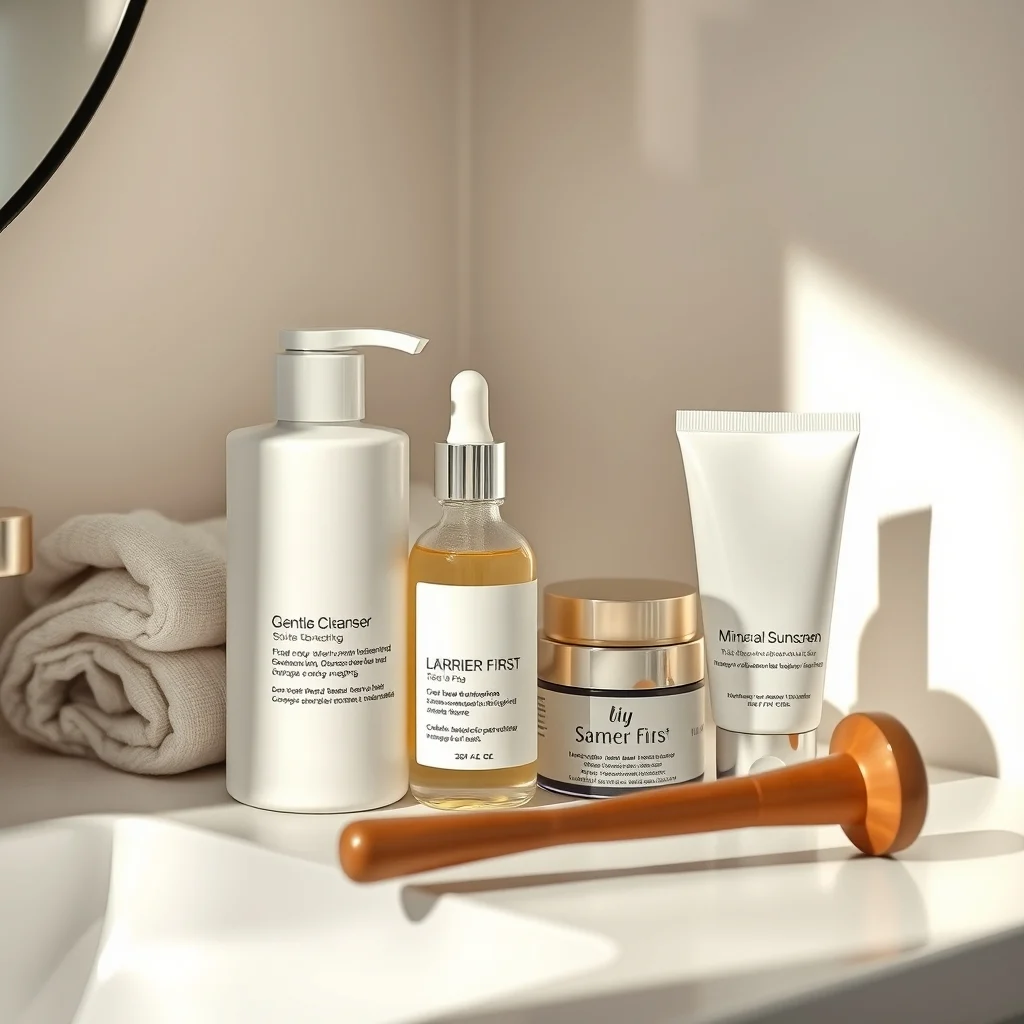
Struggling with redness, tightness, or breakouts every time you try a new skincare product? You’re not alone. Many beginners make the mistake of chasing quick fixes instead of focusing on the foundation of healthy skin: a strong skin barrier. When this protective layer is compromised, even the gentlest products can cause irritation, dryness, or inflammation. The good news? A barrier-first approach simplifies your routine while delivering real results—without the guesswork.
Why a Strong Skin Barrier Matters More Than You Think
A healthy skin barrier acts like a shield, locking in moisture and keeping out irritants. When it’s damaged, your skin becomes reactive, leading to sensitivity, acne, or eczema-like symptoms. The key to repairing it? Consistency over complexity. Start with products that support, rather than strip, your skin’s natural defenses.
Look for ingredients like ceramides, cholesterol, and fatty acids—these mimic your skin’s lipid structure and help restore balance. Avoid harsh exfoliants or alcohol-heavy toners, especially if your skin feels tight or looks flaky. Instead, prioritize hydration and gentle cleansing to rebuild resilience over time.
Step 1: Cleanse Without Stripping Your Skin
Your cleanser sets the tone for the rest of your routine. A common mistake? Using foaming washes that leave skin squeaky clean—but also stripped of essential oils. Opt for a creamy, fragrance-free cleanser that removes dirt without disrupting your barrier. Micellar water is another great option for sensitive skin, as it lifts impurities without rinsing.
If you wear makeup or sunscreen, double cleansing can help. Start with an oil-based cleanser to dissolve products, then follow with a gentle water-based wash. This ensures a thorough cleanse without over-drying your skin.
Step 2: Hydrate with the Right Ingredients
Hydration isn’t just about slathering on moisturizer—it’s about choosing the right formula for your skin type. For beginners, a lightweight but nourishing moisturizer with hyaluronic acid and ceramides is ideal. Hyaluronic acid attracts water to the skin, while ceramides reinforce the barrier.
If your skin feels tight or looks dull, try a hydrating serum before moisturizing. Look for products labeled “non-comedogenic” to avoid clogging pores. And remember: hydration isn’t just for dry skin. Even oily skin needs moisture to stay balanced.
Step 3: Protect Your Skin Daily (Yes, Even Indoors)
Sunscreen is non-negotiable, even if you spend most of your time indoors. UV rays penetrate windows and contribute to premature aging, hyperpigmentation, and barrier damage. A broad-spectrum SPF 30 or higher should be the final step in your morning routine.
For sensitive skin, mineral sunscreens with zinc oxide or titanium dioxide are less likely to cause irritation. If you’re worried about a white cast, opt for a tinted formula or one that blends seamlessly into deeper skin tones. Apply it last, after moisturizer, to ensure full protection.
Step 4: Simplify Your Routine to Avoid Overloading Your Skin
Less is often more when it comes to skincare. Overloading your skin with too many products can overwhelm your barrier, leading to breakouts or irritation. Stick to the basics: cleanse, hydrate, protect. If you want to introduce actives like vitamin C or retinol, start slow—once or twice a week—and monitor how your skin reacts.
Patch-test new products before applying them to your face. Apply a small amount behind your ear or on your jawline and wait 24 hours to check for reactions. This simple step can save you from unnecessary irritation.
Step 5: Listen to Your Skin’s Signals
Your skin communicates its needs—you just have to pay attention. If it feels tight, it’s asking for more moisture. If it’s red or stinging, it’s reacting to an ingredient. Instead of pushing through discomfort, adjust your routine based on how your skin responds.
Avoid the temptation to “treat” every issue at once. Focus on one goal at a time, whether it’s hydration, calming redness, or reducing breakouts. Over time, your skin will thank you for the patience and consistency.
Building a barrier-first routine doesn’t require expensive products or complicated steps. Start with the basics, prioritize hydration and protection, and let your skin’s natural resilience shine through. The best part? You’ll see improvements in texture, tone, and overall health—without the frustration of trial and error. For more trusted skincare advice, explore resources from the American Academy of Dermatology to guide your journey.
You may also like
-
Problem-Skin Product Recommendations: A Budget-Friendly Routine for Clearer Skin
-
Problem-Skin Product Recommendations: A Barrier-First Approach for Lasting Comfort & Repair
-
Problem-Skin Product Recommendations: A Beginner’s Guide to Calming & Repairing Your Skin
-
Problem-Skin Product Recommendations: A Step-by-Step Guide for Busy People
-
Problem-Skin Product Recommendations: A Barrier-First, Skinimalism Approach