
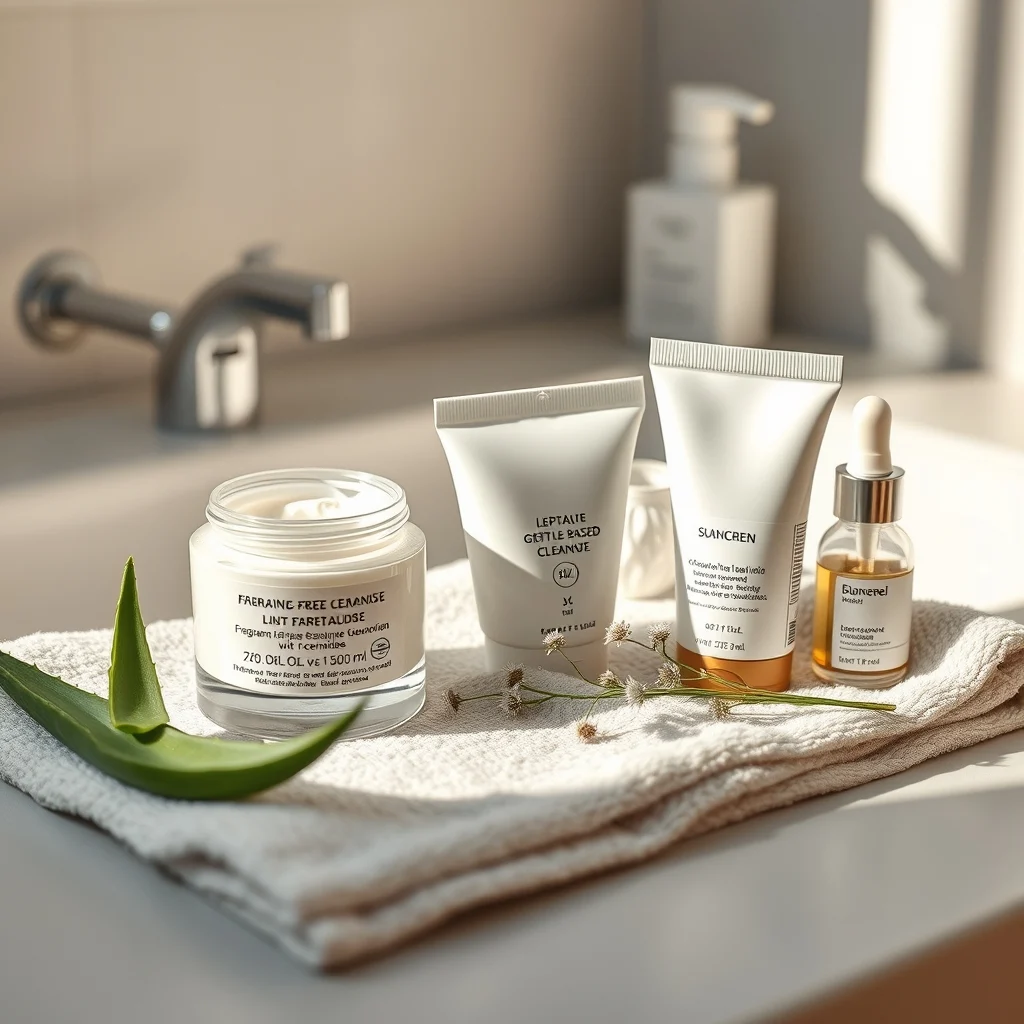
Dealing with **problem-skin product recommendations** can feel overwhelming, especially when your skin reacts to everything from harsh cleansers to fragranced moisturizers. If you have sensitive skin, the wrong products can leave your face red, irritated, or even painful. The good news? A gentle, effective routine doesn’t have to be complicated—or expensive. With the right approach, you can soothe your skin without triggering flare-ups or breaking the bank.
Start with a Gentle, Non-Stripping Cleanser
Harsh cleansers can disrupt your skin’s natural barrier, making sensitivity worse. Look for products labeled “fragrance-free,” “hypoallergenic,” or “for sensitive skin.” Cream or lotion-based cleansers are ideal because they clean without stripping moisture. Avoid foaming cleansers with sulfates, as these can leave your skin feeling tight and uncomfortable.
Avoid over-washing, too. Twice a day is enough—any more can lead to dryness and irritation. If your skin feels squeaky clean after washing, that’s a sign the cleanser is too strong. Instead, opt for something that leaves your skin feeling soft and balanced.
Prioritize Hydration with a Barrier-Repairing Moisturizer
Sensitive skin often lacks a strong moisture barrier, which is why hydration is key. Choose a moisturizer with ceramides, hyaluronic acid, or colloidal oatmeal—ingredients that help repair and protect your skin. These work by locking in moisture and preventing irritants from penetrating the surface.
Skip heavy fragrances and essential oils, which can cause reactions. Instead, look for minimal ingredient lists with soothing components like aloe vera or niacinamide. If your skin is extremely dry, layer a lightweight serum with hyaluronic acid under your moisturizer for an extra boost.
Introduce Actives Slowly and Strategically
Active ingredients like retinol or exfoliants can be too harsh for sensitive skin if introduced too quickly. Start with low concentrations and use them only 1-2 times a week. Niacinamide is a great alternative—it reduces redness and strengthens the skin barrier without causing irritation.
Always patch-test new products before applying them to your face. Apply a small amount behind your ear or on your inner arm and wait 24 hours to check for reactions. If your skin tolerates it, gradually increase usage. Remember, less is more when your skin is easily irritated.
Protect Your Skin with a Mineral-Based Sunscreen
Sun exposure can worsen sensitivity, making sunscreen non-negotiable. Chemical sunscreens can sometimes cause irritation, so opt for mineral-based options with zinc oxide or titanium dioxide. These sit on top of the skin and reflect UV rays without absorbing into the surface.
Look for sunscreens labeled “broad-spectrum” to protect against UVA and UVB rays. If you struggle with white cast, try a tinted formula or one that blends seamlessly into the skin. Apply it every morning, even on cloudy days, to prevent further damage.
Simplify Your Routine to Avoid Overloading Your Skin
Using too many products at once can overwhelm sensitive skin. Stick to a basic routine: cleanse, moisturize, and protect. If you want to add treatments, introduce them one at a time and monitor how your skin reacts. Multi-step routines might seem appealing, but they can do more harm than good.
Pay attention to how your skin feels. If it’s tight, itchy, or red, scale back and give it time to recover. Sometimes, the best approach is the simplest one—fewer products mean fewer chances for irritation.
Know When to Seek Professional Advice
If your skin doesn’t improve with gentle products, it might be time to consult a dermatologist. Persistent redness, burning, or breakouts could signal an underlying condition like eczema or rosacea. A professional can recommend treatments tailored to your specific needs, such as prescription creams or soothing in-office procedures.
For more information on skin health, visit the American Academy of Dermatology.
Building a routine for sensitive skin doesn’t have to be stressful. By focusing on gentle, hydrating products and listening to your skin’s needs, you can create a regimen that keeps irritation at bay. Start with the basics, introduce new products slowly, and don’t forget to protect your skin daily. With consistency, you’ll see a calmer, happier complexion—no complicated steps required.
You may also like
-
Problem-Skin Product Recommendations: A Budget-Friendly Routine for Clearer Skin
-
Problem-Skin Product Recommendations: A Barrier-First Approach for Lasting Comfort & Repair
-
Problem-Skin Product Recommendations: A Beginner’s Guide to Calming & Repairing Your Skin
-
Problem-Skin Product Recommendations: A Step-by-Step Guide for Busy People
-
Problem-Skin Product Recommendations: A Barrier-First, Skinimalism Approach