
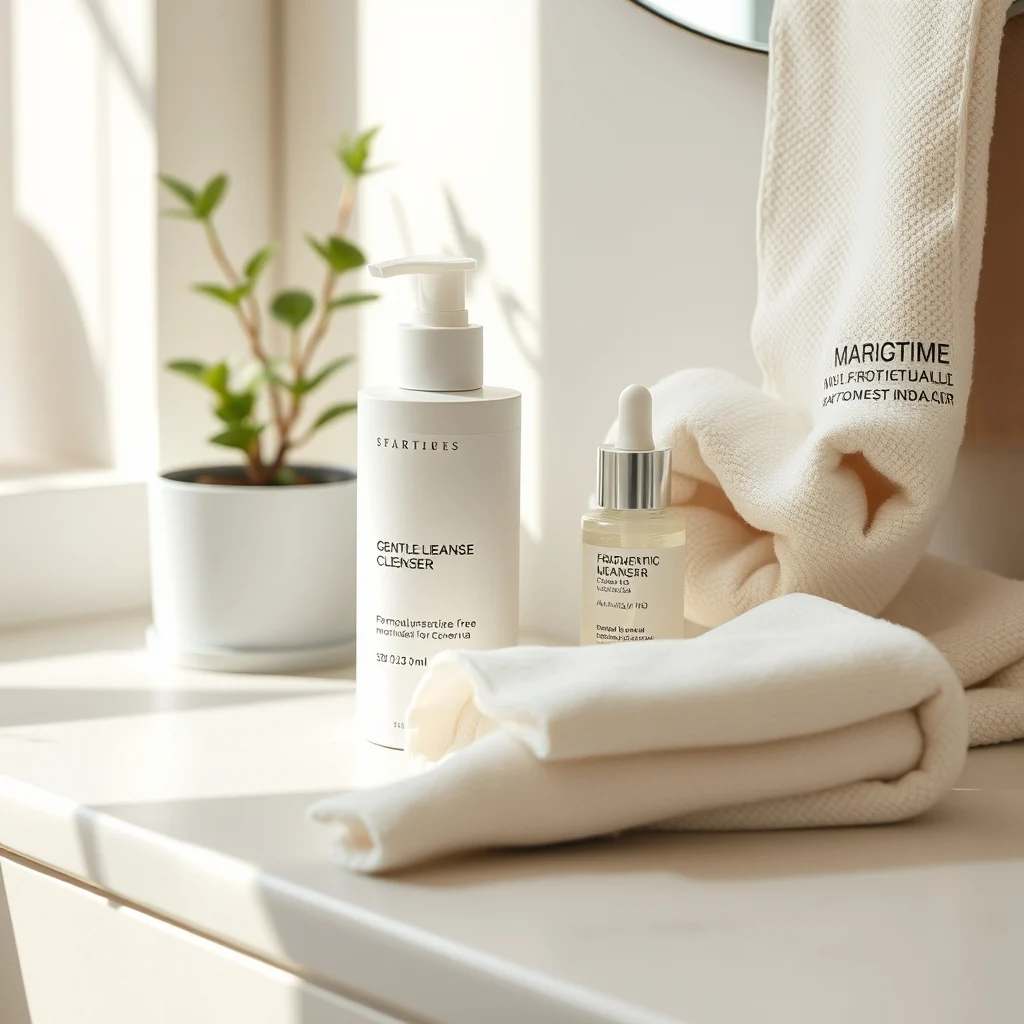
If you’ve ever woken up to red, itchy patches or felt your skin sting after applying a new product, you’re not alone. Eczema and sensitive skin care can feel overwhelming, especially when every recommendation seems to contradict the last. The good news? You don’t need a complicated routine or expensive treatments to see real improvement. With a few intentional changes, you can start soothing your skin this week—without the guesswork.
Understand Your Skin’s Triggers
Before diving into products, take a step back and observe what aggravates your skin. Common triggers include harsh soaps, fragrances, extreme temperatures, and even stress. Keep a simple journal for a few days, noting when flare-ups occur and what you were exposed to beforehand. This doesn’t require perfection—just awareness. Over time, you’ll notice patterns that help you make smarter choices.
For example, if your skin reacts poorly to scented laundry detergents, switching to a fragrance-free option might be the easiest fix. The American Academy of Dermatology recommends avoiding known irritants like alcohol-based toners and exfoliants with physical scrubs, as these can strip the skin’s natural barrier. Learn more about common irritants here.
Simplify Your Cleansing Routine
Washing your face or body might seem straightforward, but for sensitive skin, the wrong cleanser can do more harm than good. Opt for gentle, hydrating formulas labeled “for sensitive skin” or “fragrance-free.” Cream-based cleansers are often a safer bet than foaming ones, as they cleanse without disrupting the skin’s moisture balance.
When cleansing, use lukewarm water instead of hot, and avoid scrubbing with washcloths or sponges. Instead, use your fingertips to apply the cleanser in soft, circular motions. Rinse thoroughly and pat—don’t rub—your skin dry with a clean towel. These small adjustments can prevent unnecessary irritation and keep your skin calm.
Prioritize Moisturizing Within Minutes
Moisturizing is non-negotiable for eczema-prone skin, but timing matters. Apply your moisturizer within three minutes of cleansing to lock in hydration before water evaporates from the skin’s surface. Look for products with ceramides, hyaluronic acid, or colloidal oatmeal, as these ingredients help repair and strengthen the skin barrier.
If your skin feels tight or flaky, consider layering a lightweight serum with hyaluronic acid under your moisturizer. This combo can provide an extra boost of hydration without clogging pores. For daytime, choose a moisturizer with SPF 30 or higher to protect against sun damage, which can worsen sensitivity.
Choose Products with Minimal Ingredients
When it comes to eczema and sensitive skin care, less is often more. Products with long ingredient lists are more likely to contain potential irritants, even if they’re marketed as “gentle.” Instead, opt for formulas with fewer than 10 ingredients, focusing on those with soothing or barrier-supporting properties.
Avoid products with fragrances, essential oils, and alcohol, as these are common culprits for irritation. If you’re unsure about an ingredient, the FDA’s cosmetics labeling guide can help you decode what’s inside. When in doubt, patch-test new products on a small area of skin before applying them to your face or body.
Dress for Skin Comfort
What you wear can impact your skin just as much as the products you use. Fabrics like wool and synthetic materials can cause friction and irritation, especially for those with eczema. Instead, choose soft, breathable fabrics like cotton or bamboo, which allow your skin to breathe and reduce the risk of flare-ups.
Wash new clothes before wearing them to remove any residual dyes or chemicals from manufacturing. Use fragrance-free, hypoallergenic laundry detergents, and avoid fabric softeners, which can leave irritating residues. If you’re prone to sweating, opt for loose-fitting clothing to minimize friction and allow your skin to stay cool.
Manage Stress for Healthier Skin
Stress doesn’t just affect your mood—it can also trigger or worsen eczema flare-ups. While you can’t eliminate stress entirely, finding ways to manage it can make a noticeable difference in your skin’s appearance. Simple practices like deep breathing, short walks, or even a few minutes of mindfulness each day can help lower stress levels.
If stress is a major trigger for you, consider incorporating relaxation techniques into your routine. Yoga, meditation, or journaling can provide a sense of calm and reduce the physical symptoms of stress. Remember, taking care of your mental well-being is just as important as your skincare routine.
Starting a eczema and sensitive skin care routine doesn’t have to be complicated. By focusing on gentle, consistent habits—like identifying triggers, simplifying your products, and prioritizing hydration—you can create a routine that works for your skin’s unique needs. The key is to listen to your skin and make adjustments as you go. This week, pick one or two changes to implement, and notice how your skin responds. Small steps can lead to big improvements over time.
You may also like
-
Eczema & Sensitive Skin Care: Common Mistakes to Avoid for Healthier Skin
-
Eczema & Sensitive Skin Care: A Step-by-Step Guide for Soothed Skin
-
Eczema & Sensitive Skin Care: A Barrier-First Approach for Lasting Comfort
-
Eczema & Sensitive Skin Care: A Barrier-First, Skinimalism Approach
-
Eczema & Sensitive Skin Care: Quick Tips for Busy People