
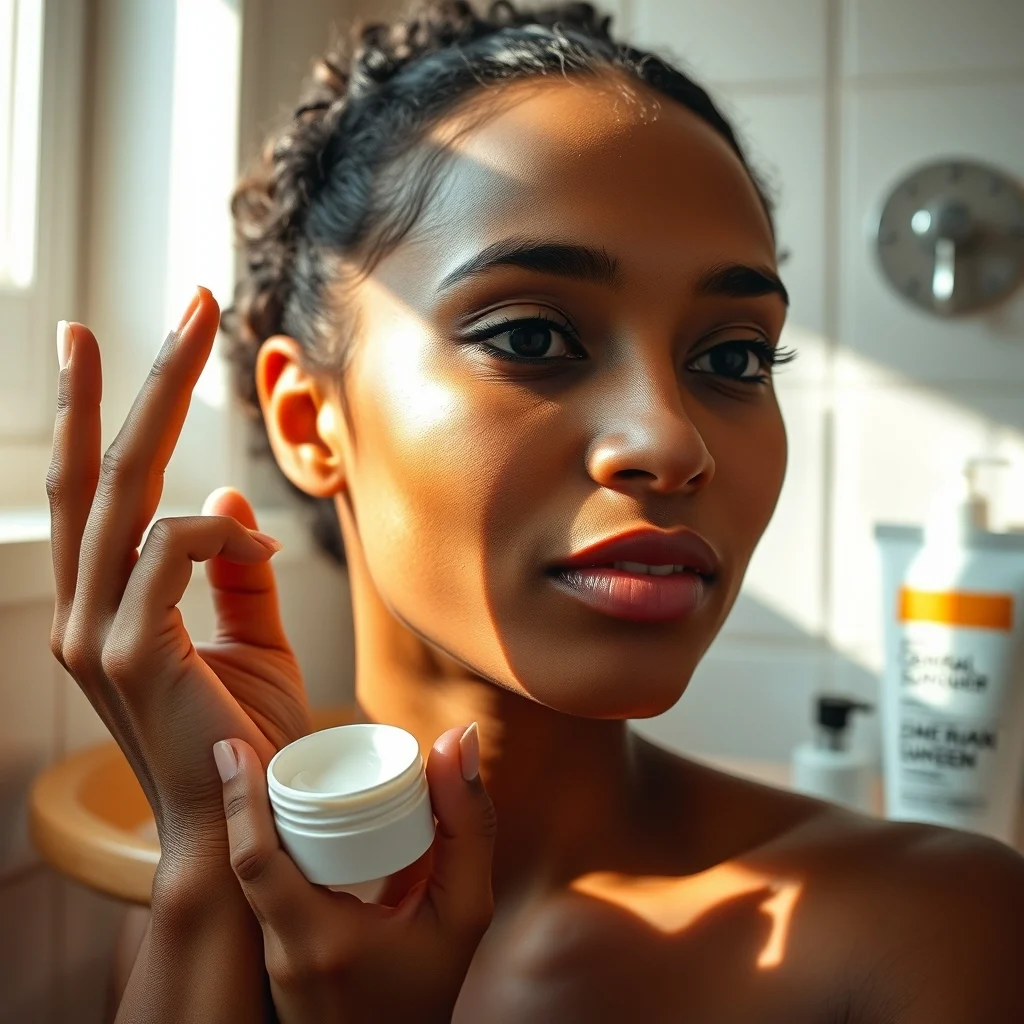
Struggling with redness, breakouts, or tightness that never seems to go away? Finding the right problem-skin product recommendations can feel overwhelming when your skin reacts to everything. The good news is that soothing irritated skin doesn’t require a 10-step routine or expensive treatments—just the right approach and a few carefully chosen products. Whether you’re dealing with occasional flare-ups or chronic sensitivity, starting with gentle, barrier-supporting essentials can make all the difference.
Understand Your Skin’s Language
Before adding new products, pay attention to what your skin is telling you. Does it sting when you apply certain ingredients? Does it feel tight or look flushed after cleansing? These are signs your skin barrier may be compromised. A weakened barrier can’t protect against environmental stressors, leading to increased irritation. Focus on products that reinforce this protective layer rather than stripping it away.
Look for labels like “fragrance-free,” “hypoallergenic,” and “non-comedogenic.” These terms indicate formulations designed to minimize irritation. Avoid products with high concentrations of alcohol, essential oils, or strong actives like retinoids or exfoliating acids until your skin stabilizes. When in doubt, patch-test new products on a small area of your jawline before applying them to your entire face.
Start with a Gentle Cleanser
The foundation of any skincare routine is a cleanser that removes impurities without disrupting your skin’s natural balance. Harsh foaming cleansers can leave sensitive skin feeling dry and irritated. Instead, opt for cream or lotion-based cleansers that cleanse while maintaining hydration. Ingredients like ceramides, glycerin, and hyaluronic acid help support the skin barrier and prevent moisture loss.
For those with oily or acne-prone skin, a gentle gel cleanser with soothing ingredients like aloe vera or panthenol can effectively remove excess oil without causing tightness. Double cleansing—using an oil-based cleanser followed by a water-based one—can be beneficial for removing makeup and sunscreen, but ensure both steps are gentle and non-stripping.
Hydrate with a Barrier-Repairing Moisturizer
Moisturizers aren’t just for dry skin—they’re essential for all skin types, especially when dealing with irritation. A good moisturizer helps restore the skin barrier, locking in moisture and protecting against external aggressors. Look for products containing ceramides, cholesterol, and fatty acids, which mimic the skin’s natural lipids and support its repair process.
If your skin feels tight or flaky, a thicker cream or ointment may be more effective than a lightweight lotion. For oily or combination skin, a lightweight, non-greasy moisturizer with hyaluronic acid can provide hydration without clogging pores. Apply moisturizer to damp skin to enhance absorption and maximize its benefits.
Incorporate Soothing Actives
Once your skin tolerates a basic routine, you can introduce soothing actives to calm inflammation and promote healing. Niacinamide is a versatile ingredient that reduces redness, strengthens the skin barrier, and regulates oil production. It’s well-tolerated by most skin types and pairs well with other ingredients.
Centella asiatica, also known as cica, is another excellent option for calming irritated skin. It has anti-inflammatory properties and helps accelerate wound healing. Look for serums or moisturizers containing this ingredient to soothe flare-ups and reduce sensitivity. Start with a low concentration and gradually increase usage as your skin builds tolerance.
Protect with a Mineral Sunscreen
Sun protection is non-negotiable, especially for sensitive or irritated skin. UV rays can worsen redness, trigger flare-ups, and accelerate skin aging. Mineral sunscreens containing zinc oxide or titanium dioxide are ideal for problem skin because they sit on the skin’s surface and reflect UV rays without causing irritation.
Choose a sunscreen labeled “broad-spectrum” to protect against both UVA and UVB rays. If you struggle with white cast, look for tinted mineral sunscreens that blend seamlessly into the skin. Apply sunscreen as the last step in your morning routine, and reapply every two hours if you’re spending time outdoors. For more information on safe and effective sunscreen ingredients, visit the American Academy of Dermatology.
Simplify and Listen to Your Skin
When dealing with problem skin, less is often more. Overloading your skin with too many products or frequent exfoliation can lead to further irritation. Stick to a simple routine with a cleanser, moisturizer, and sunscreen, and introduce new products one at a time. This approach allows you to identify what works and what doesn’t without overwhelming your skin.
Pay attention to how your skin responds to changes in your routine, environment, or diet. Stress, weather, and hormonal fluctuations can all impact your skin’s condition. Keeping a simple skincare journal can help you track patterns and make informed adjustments to your routine.
Your skin’s needs will evolve over time, and that’s okay. The key is to stay patient and consistent with a routine that prioritizes barrier health and gentle care. Start with the basics, give your skin time to adjust, and don’t hesitate to seek professional advice if irritation persists. With the right approach, calmer, healthier skin is within reach.
You may also like
-
Problem-Skin Product Recommendations: A Budget-Friendly Routine for Clearer Skin
-
Problem-Skin Product Recommendations: A Barrier-First Approach for Lasting Comfort & Repair
-
Problem-Skin Product Recommendations: A Beginner’s Guide to Calming & Repairing Your Skin
-
Problem-Skin Product Recommendations: A Step-by-Step Guide for Busy People
-
Problem-Skin Product Recommendations: A Barrier-First, Skinimalism Approach