
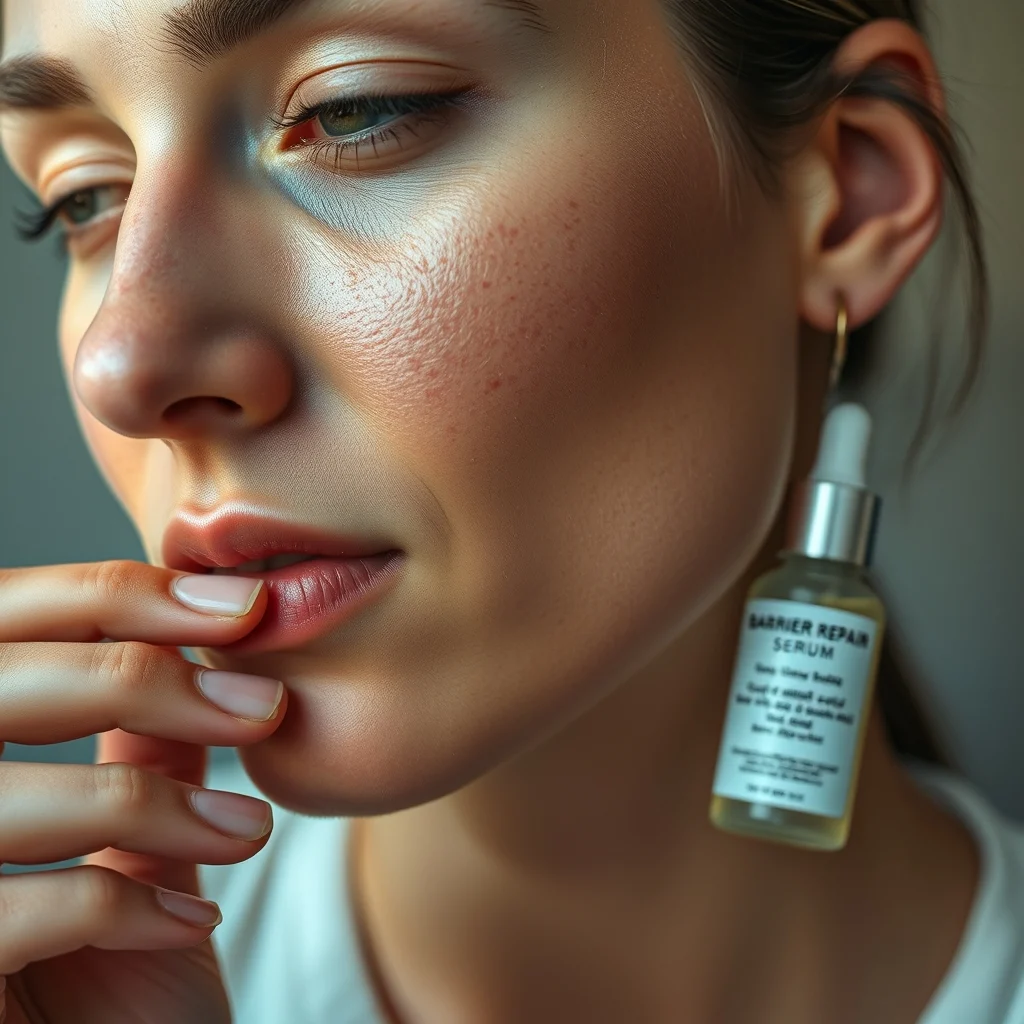
Struggling with breakouts while dealing with dry, sensitive skin can feel like a never-ending battle. Many **acne treatment guides** overlook the unique needs of delicate skin, leaving you with irritation, redness, and even more blemishes. The key to clearer skin isn’t just about fighting acne—it’s about repairing and protecting your skin’s barrier first. When your skin’s natural defenses are strong, it becomes more resilient, less reactive, and better equipped to heal.
Understand Your Skin’s Barrier
The skin barrier is your body’s first line of defense against environmental stressors, bacteria, and moisture loss. For those with dry and sensitive skin, this barrier is often compromised, making it easier for acne-causing bacteria to thrive. A weakened barrier also means your skin struggles to retain moisture, leading to flakiness, tightness, and increased sensitivity.
Start by identifying signs of a damaged barrier, such as persistent dryness, stinging when applying products, or frequent breakouts that don’t seem to heal. These are red flags that your skin needs gentle, restorative care rather than harsh treatments. Focus on ingredients like ceramides, cholesterol, and fatty acids, which help rebuild and strengthen the barrier over time.
Simplify Your Skincare Routine
Less is more when it comes to treating acne on dry, sensitive skin. Overloading your skin with too many products or active ingredients can strip it of natural oils, leading to further irritation. Begin with a minimal routine: a gentle cleanser, a hydrating serum, and a moisturizer designed for sensitive skin. This approach reduces the risk of over-exfoliation or over-drying, which are common pitfalls in many **acne treatment guides**.
Look for cleansers with a creamy or milky texture, as they cleanse without disrupting the skin’s pH balance. Avoid foaming cleansers or those with sulfates, which can be too harsh. After cleansing, apply a lightweight, fragrance-free serum containing hyaluronic acid or glycerin to lock in moisture. Finish with a rich moisturizer that includes soothing ingredients like niacinamide or panthenol to calm inflammation.
Choose the Right Acne-Fighting Ingredients
Not all acne treatments are created equal, especially for dry and sensitive skin. Traditional ingredients like benzoyl peroxide or salicylic acid can be too drying or irritating, worsening your skin’s condition. Instead, opt for gentler alternatives that target acne without compromising your barrier. Azelaic acid, for example, reduces inflammation and unclogs pores while being less likely to cause irritation. It’s also effective at fading post-acne marks, which is a bonus for sensitive skin types.
Another great option is sulfur, which has antimicrobial properties but is much gentler than benzoyl peroxide. Pair these ingredients with hydrating and soothing agents like aloe vera or allantoin to minimize dryness. If you’re unsure about introducing actives, start with a low concentration and gradually increase usage as your skin builds tolerance.
Hydrate, Hydrate, Hydrate
Hydration is non-negotiable for dry, sensitive skin prone to acne. Many people with acne avoid moisturizers, fearing they’ll clog pores, but skipping this step can actually make breakouts worse. When your skin is dehydrated, it produces more oil to compensate, leading to clogged pores and more blemishes. The trick is to choose non-comedogenic moisturizers that provide hydration without feeling heavy or greasy.
Layering hydration is key. Start with a hydrating toner or essence to prep your skin, followed by a serum with hyaluronic acid to draw moisture into the skin. Seal everything in with a lightweight, oil-free moisturizer. If your skin feels tight or flaky, consider adding a facial oil like squalane or jojoba oil to your routine. These oils mimic your skin’s natural sebum and help restore balance without clogging pores.
Avoid Common Irritants
Dry and sensitive skin is more susceptible to irritation from everyday products. Fragrances, alcohol, and essential oils are common culprits that can trigger redness, itching, or breakouts. Even natural ingredients like citrus extracts or menthol can be problematic for sensitive skin. Always check product labels and opt for fragrance-free, hypoallergenic formulas to minimize the risk of irritation.
It’s also important to be mindful of how you apply your products. Rubbing or tugging at your skin can cause micro-tears, leading to further irritation. Instead, use gentle patting motions to apply serums and moisturizers. If you’re using a physical exfoliant, like a scrub, be extra cautious—opt for a soft, damp cloth instead to avoid damaging your skin.
Protect Your Skin Daily
Sun protection is often overlooked in **acne treatment guides**, but it’s especially crucial for dry, sensitive skin. UV exposure can worsen inflammation, lead to hyperpigmentation, and further weaken your skin barrier. Choose a broad-spectrum sunscreen with an SPF of at least 30, and look for formulas labeled “for sensitive skin” or “non-comedogenic.” Mineral sunscreens with zinc oxide or titanium dioxide are less likely to cause irritation compared to chemical sunscreens.
If you’re concerned about sunscreen breaking you out, opt for a lightweight, fluid texture that absorbs quickly. Apply it as the last step in your morning routine, and reapply every two hours if you’re spending time outdoors. Remember, protecting your skin from the sun isn’t just about preventing burns—it’s about preserving your skin’s health and preventing long-term damage.
Taking care of dry, sensitive skin with acne doesn’t have to be complicated. By focusing on repairing your skin’s barrier and choosing gentle, hydrating products, you can reduce breakouts without causing further irritation. Start with small changes, like simplifying your routine and avoiding common irritants, and gradually introduce acne-fighting ingredients that work with your skin, not against it. With patience and consistency, you’ll be on your way to a clearer, calmer complexion. For more information on safe and effective skincare ingredients, visit the American Academy of Dermatology.
You may also like
-
Acne Treatment Guides: What Most People Get Wrong
-
Acne Treatment Guides: A Barrier-First, Skinimalism Approach for Clearer Skin
-
Acne Treatment Guides: A Barrier-First Approach for Clearer Skin
-
Acne Treatment Guides: A Barrier-First, Skinimalism Approach for Clearer Skin
-
Panduan Lengkap Acne Treatment: Cara Mulai dengan Pendekatan Skinimalis yang Efektif