
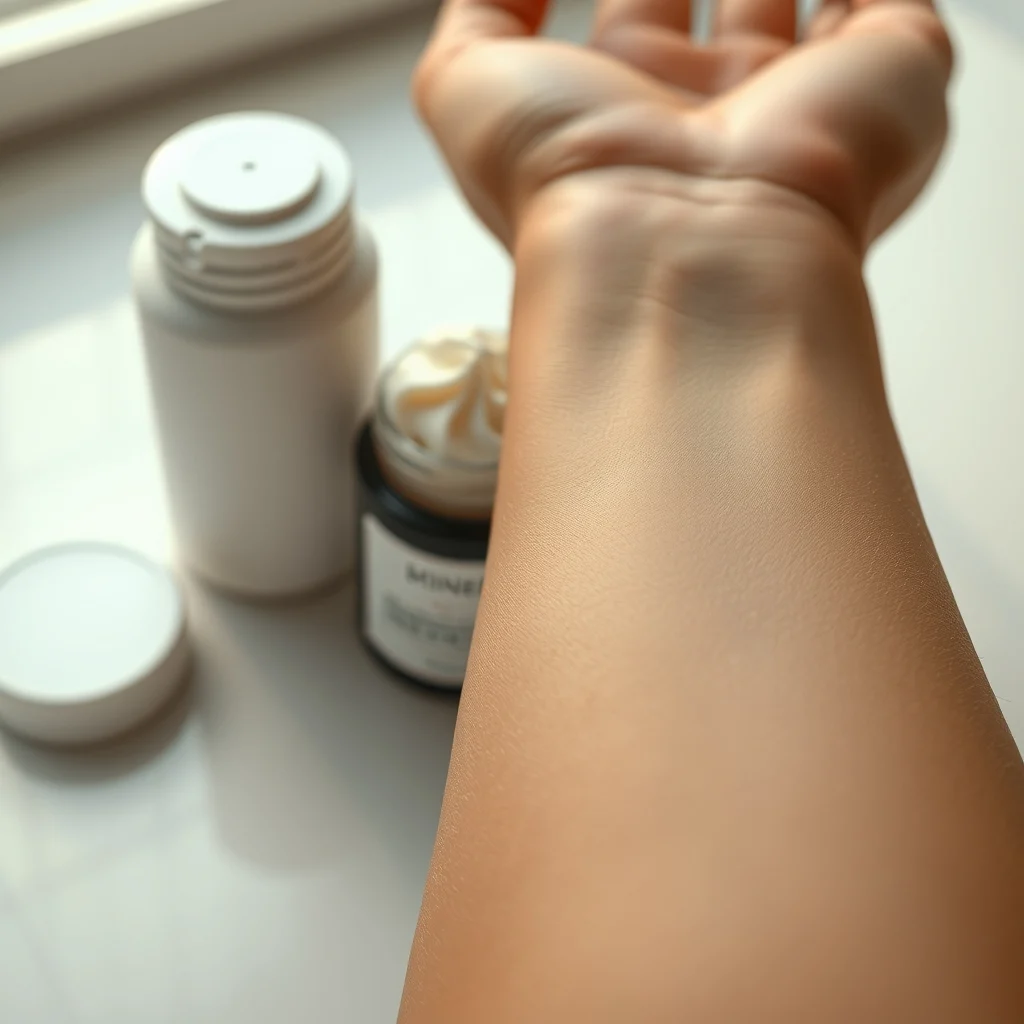
Living with eczema and sensitive skin can feel like a never-ending cycle of discomfort. One day, your skin feels calm, and the next, it’s red, itchy, and begging for relief. The key to breaking this cycle isn’t just about slathering on creams—it’s about rebuilding your skin’s natural defenses from the ground up. A barrier-first approach focuses on strengthening your skin’s outermost layer, so it can protect itself against irritants and retain moisture. If you’re tired of temporary fixes and ready for lasting comfort, this guide will walk you through the essentials of a routine that works.
Understand Your Skin’s Barrier: The First Line of Defense
The skin barrier is like a brick wall—when it’s strong, it keeps moisture in and irritants out. But for those with eczema or sensitive skin, this wall is often weakened, leaving skin vulnerable to dryness, itching, and inflammation. The good news? You can repair it with the right care.
Start by identifying what’s damaging your barrier. Harsh soaps, hot water, and even stress can strip away natural oils, making your skin more reactive. Instead of reaching for products with long ingredient lists, opt for gentle, fragrance-free formulas that support your skin’s natural functions. Look for ceramides, cholesterol, and fatty acids—these are the building blocks your skin needs to stay resilient.
Remember, repairing your barrier isn’t an overnight process. Consistency is key, and small changes can make a big difference over time.
Cleanse Without Compromising Comfort
Cleansing is the foundation of any skincare routine, but for sensitive skin, it’s easy to get wrong. Many cleansers contain sulfates or alcohol, which can leave your skin feeling tight and irritated. Instead, choose a hydrating, pH-balanced cleanser that removes dirt without disrupting your skin’s natural oils.
When washing your face or body, use lukewarm water—hot water can worsen dryness and trigger flare-ups. Gently pat your skin dry with a soft towel, leaving it slightly damp before applying moisturizer. This helps lock in hydration and prepares your skin to absorb the next steps in your routine.
If you’re dealing with oily skin alongside sensitivity, don’t skip moisturizer. Even oily skin needs hydration, and skipping it can lead to more oil production as your skin tries to compensate. A lightweight, non-comedogenic moisturizer can keep your skin balanced without clogging pores.
Moisturize Like Your Skin Depends on It (Because It Does)
Moisturizing isn’t just about adding hydration—it’s about sealing it in. For eczema-prone skin, a thick, emollient-rich moisturizer is your best friend. Apply it within minutes of cleansing to trap moisture and prevent dryness from setting in.
Not all moisturizers are created equal. Avoid products with fragrances, dyes, or essential oils, as these can trigger irritation. Instead, look for ingredients like hyaluronic acid, glycerin, and shea butter, which help attract and retain moisture. If your skin is extremely dry, consider using an ointment or balm at night for extra protection.
For daytime, a lighter lotion or cream can work well under makeup or sunscreen. Just make sure it’s free of common irritants and provides enough hydration to keep your skin comfortable throughout the day.
Protect Your Skin from Everyday Triggers
Your skin’s barrier is constantly under attack from environmental factors like pollution, UV rays, and even the fabrics you wear. To minimize irritation, opt for soft, breathable materials like cotton or silk, and avoid tight clothing that can rub against your skin.
Sunscreen is non-negotiable, even for sensitive skin. UV rays can worsen eczema and trigger flare-ups, so choose a mineral-based sunscreen with zinc oxide or titanium dioxide. These ingredients sit on top of the skin rather than absorbing into it, reducing the risk of irritation. Apply it daily, even on cloudy days, to shield your skin from damage.
If you’re prone to flare-ups, keep a diary to track what might be triggering them. Common culprits include stress, certain foods, or changes in weather. Once you identify your triggers, you can take steps to avoid them and keep your skin calm.
Simplify Your Routine for Long-Term Success
When it comes to eczema and sensitive skin care, less is often more. A stripped-down routine with a few high-quality products is better than a 10-step regimen filled with potential irritants. Focus on the basics: cleanse, moisturize, and protect. If you want to add extras, like serums or exfoliants, introduce them one at a time and monitor your skin’s reaction.
Exfoliation can be tricky for sensitive skin, but gentle chemical exfoliants like lactic acid or PHA can help remove dead skin cells without causing irritation. Avoid physical scrubs, which can create micro-tears in your skin and worsen sensitivity. If you’re unsure, consult a dermatologist before adding exfoliants to your routine.
Finally, be patient with your skin. Healing takes time, and what works for someone else might not work for you. Listen to your skin’s signals and adjust your routine as needed. The goal isn’t perfection—it’s progress.
When to Seek Professional Help
While a barrier-first routine can work wonders, there are times when professional guidance is necessary. If your eczema is severe, painful, or not improving with over-the-counter products, it’s time to see a dermatologist. They can recommend prescription treatments or advanced therapies tailored to your skin’s needs.
For those dealing with persistent flare-ups, a dermatologist can also help identify underlying causes, such as allergies or infections. Don’t hesitate to reach out—your skin deserves expert care when it needs it most.
For more information on managing eczema and sensitive skin, visit the American Academy of Dermatology.
Your skin’s journey to healing starts with small, intentional steps. By focusing on barrier repair, gentle cleansing, and consistent hydration, you can build a routine that soothes, protects, and strengthens your skin over time. The key is to stay patient, listen to your skin, and celebrate the progress, no matter how small. With the right approach, lasting relief isn’t just possible—it’s within reach.
You may also like
-
Eczema & Sensitive Skin Care: Common Mistakes to Avoid for Healthier Skin
-
Eczema & Sensitive Skin Care: A Step-by-Step Guide for Soothed Skin
-
Eczema & Sensitive Skin Care: A Barrier-First Approach for Lasting Comfort
-
Eczema & Sensitive Skin Care: A Barrier-First, Skinimalism Approach
-
Eczema & Sensitive Skin Care: Quick Tips for Busy People