
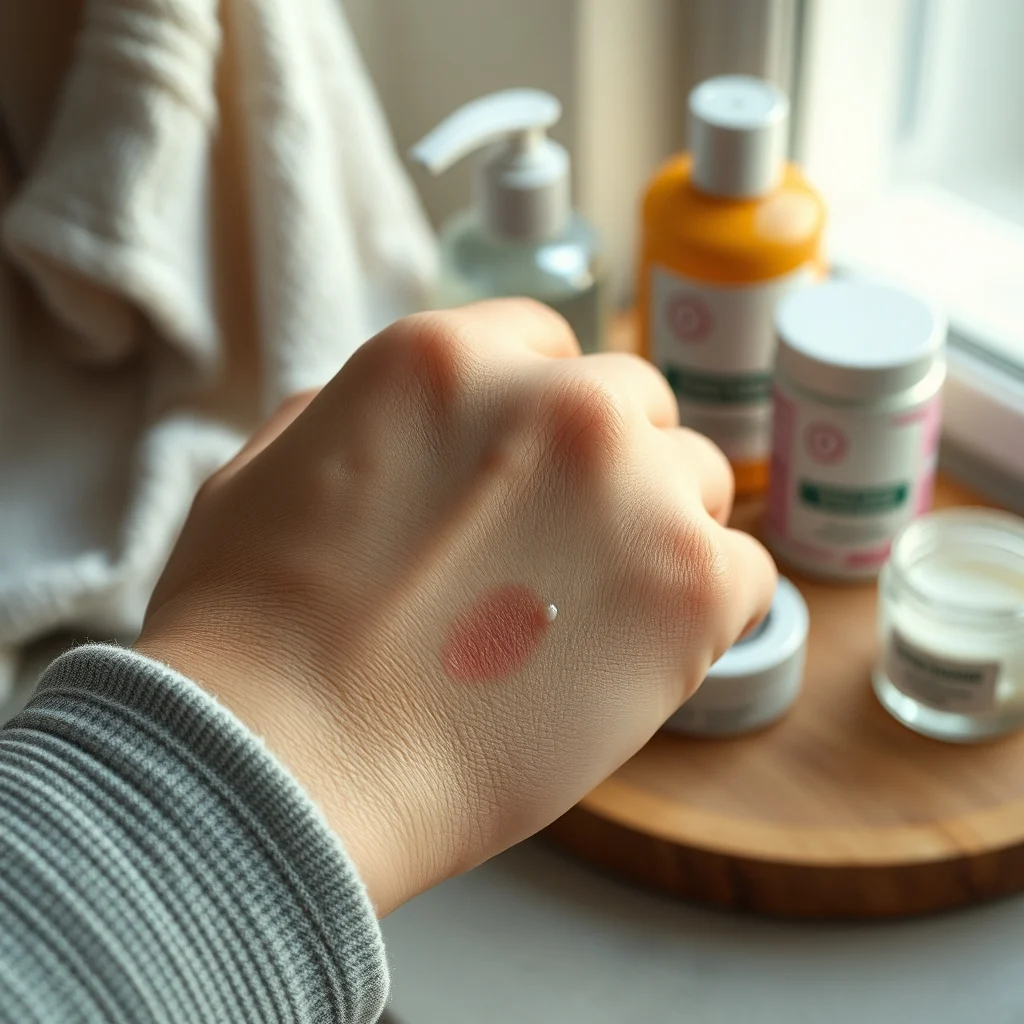
If you struggle with eczema and sensitive skin care, you know how frustrating it can be when your routine backfires. What’s meant to soothe often stings, leaving your skin red, itchy, and even more irritated. The truth is, many well-intentioned habits—like over-cleansing or layering too many products—can disrupt your skin’s delicate balance. The good news? Small tweaks can make a big difference in calming flare-ups and restoring comfort.
Over-Cleansing: Stripping Your Skin’s Natural Defenses
Washing your face or body too often—or with harsh cleansers—can weaken your skin’s moisture barrier. This barrier is your first line of defense against irritants, and when it’s compromised, eczema symptoms worsen. Opt for fragrance-free, pH-balanced cleansers that clean without stripping. Limit showers to once a day, and use lukewarm water instead of hot, which can dry out your skin further.
Many people with sensitive skin assume squeaky-clean means healthy, but that tight, dry feeling is a red flag. Your skin should feel soft and hydrated after cleansing, not stretched or uncomfortable. If you’re unsure, try a gentle micellar water for days when your skin feels particularly reactive.
Skipping Moisturizer When Skin Feels ‘Okay’
Moisturizing isn’t just for when your skin is flaking or itchy—it’s a daily necessity to prevent flare-ups. Even if your skin feels fine, skipping moisturizer leaves it vulnerable to environmental triggers like cold air or pollution. The key is consistency: apply a thick, fragrance-free cream or ointment within minutes of bathing to lock in moisture.
Look for ingredients like ceramides, glycerin, or colloidal oatmeal, which help repair the skin barrier. Avoid lotions with alcohol or strong fragrances, as these can irritate sensitive skin. If you’re prone to eczema, keep a travel-sized moisturizer in your bag for touch-ups throughout the day.
Using Too Many Active Ingredients at Once
It’s tempting to try every new serum or treatment promising relief, but layering multiple actives—like retinoids, acids, or even vitamin C—can overwhelm sensitive skin. These ingredients, while effective for some, can cause irritation, redness, and peeling when used together. Start with one active at a time, and always patch-test before applying it to your face or body.
If you’re using a prescription treatment for eczema, like a topical steroid, avoid mixing it with other potent ingredients unless advised by a dermatologist. Instead, focus on gentle, soothing products that support your skin’s natural healing process. Less is often more when it comes to eczema and sensitive skin care.
Ignoring the Role of Diet and Stress
What you eat and how you manage stress can directly impact your skin. Certain foods, like dairy or gluten, may trigger flare-ups for some people, while others notice improvements after reducing sugar or processed foods. Keep a food diary to track potential triggers, and consider consulting a healthcare provider for personalized advice.
Stress is another major factor in eczema flare-ups. When you’re anxious or overwhelmed, your body releases hormones that can worsen inflammation. Incorporate stress-relief practices like deep breathing, yoga, or even a short walk into your daily routine. Small changes in lifestyle can complement your skincare efforts and lead to calmer skin.
Choosing the Wrong Fabrics and Laundry Detergents
Your clothes and bedding can either soothe or irritate sensitive skin. Rough fabrics like wool or synthetic materials can cause friction and itching, while tight clothing traps sweat, leading to further irritation. Opt for soft, breathable fabrics like cotton or bamboo, and wash new clothes before wearing them to remove any residual chemicals.
Laundry detergents are another common culprit. Many contain fragrances and dyes that linger on fabrics and irritate skin. Switch to a fragrance-free, hypoallergenic detergent, and avoid fabric softeners, which often contain harsh chemicals. Double-rinsing your laundry can also help remove any leftover residue.
Not Protecting Your Skin from Environmental Triggers
From cold winter air to indoor heating, environmental factors can wreak havoc on sensitive skin. Cold weather dries out your skin, while heat and humidity can cause sweating and irritation. Protect your skin by wearing gloves in cold weather, using a humidifier indoors, and applying sunscreen daily—even on cloudy days.
Sunscreen is especially important for eczema-prone skin, as sunburn can trigger flare-ups. Choose a mineral-based sunscreen with zinc oxide or titanium dioxide, which are less likely to irritate sensitive skin. Reapply every two hours if you’re spending time outdoors, and seek shade whenever possible.
Managing eczema and sensitive skin isn’t about perfection—it’s about making small, mindful choices that add up over time. Start by identifying one or two habits to adjust this week, like switching to a gentler cleanser or moisturizing more consistently. Your skin will thank you for the extra care, and you might just find that relief is closer than you think. For more trusted information on managing sensitive skin, visit the American Academy of Dermatology.
You may also like
-
Eczema & Sensitive Skin Care: Common Mistakes to Avoid for Healthier Skin
-
Eczema & Sensitive Skin Care: A Step-by-Step Guide for Soothed Skin
-
Eczema & Sensitive Skin Care: A Barrier-First Approach for Lasting Comfort
-
Eczema & Sensitive Skin Care: A Barrier-First, Skinimalism Approach
-
Eczema & Sensitive Skin Care: Quick Tips for Busy People