
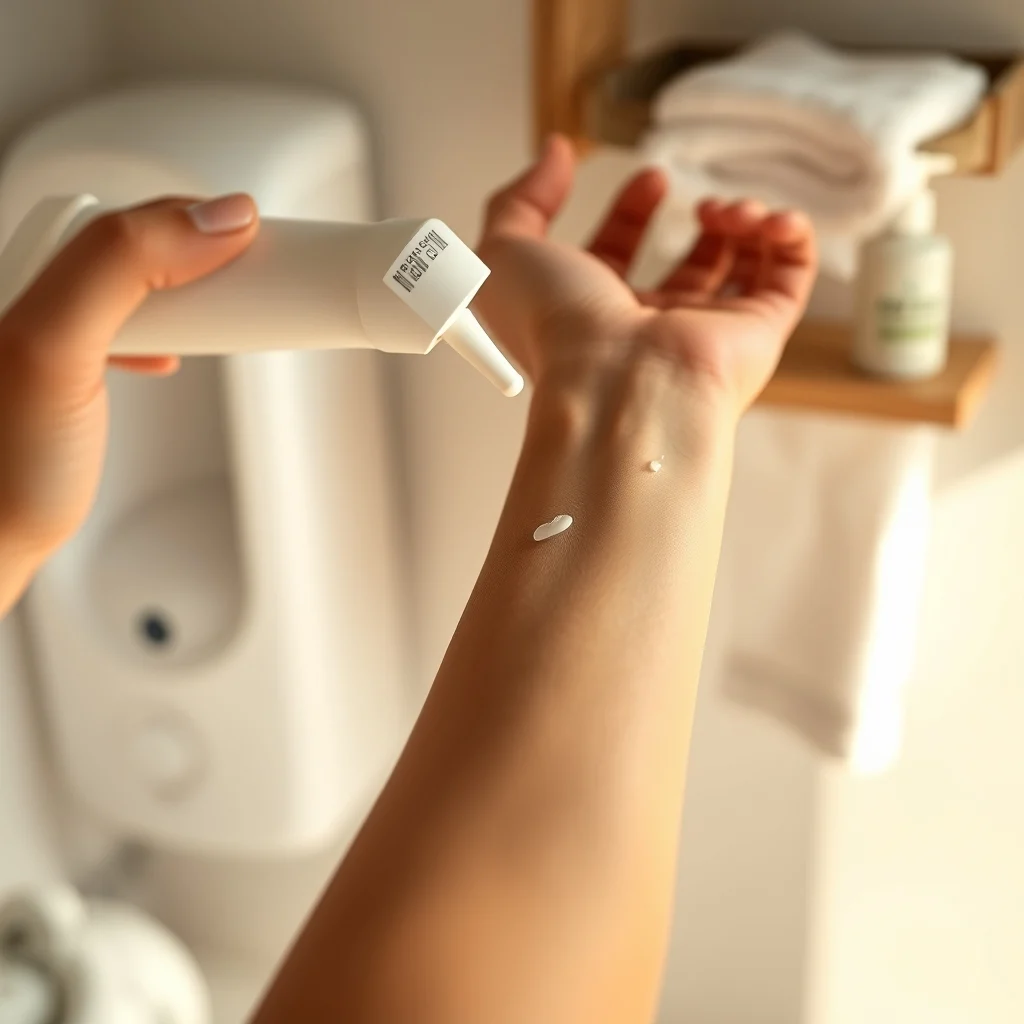
If your skin feels tight, itchy, or prone to redness, you’re not alone. Managing eczema and sensitive skin care for dry, reactive skin can feel like an endless cycle of trial and error. The wrong product or habit can trigger flare-ups, leaving skin even more uncomfortable. But with the right approach, you can soothe irritation and restore balance—without complicated routines or expensive treatments.
Understand Your Skin’s Needs First
Dry, sensitive skin with eczema often lacks natural moisture and has a weakened barrier. This makes it more vulnerable to irritants like harsh soaps, fragrances, or even changes in weather. The key is to focus on gentle, hydrating ingredients that support your skin’s protective layer. Look for products labeled “fragrance-free” and “hypoallergenic,” as these are less likely to cause reactions.
Start by simplifying your routine. Overloading skin with too many products can worsen sensitivity. Instead, prioritize hydration and protection. A basic regimen of cleansing, moisturizing, and sun protection is often enough to see improvements. If you’re unsure where to begin, the American Academy of Dermatology offers helpful guidelines for sensitive skin care.
Choose the Right Cleanser
Many cleansers strip the skin of its natural oils, leaving it dry and irritated. For eczema-prone skin, opt for a creamy, non-foaming cleanser that’s free of sulfates and alcohol. These ingredients can disrupt your skin’s moisture barrier, leading to increased sensitivity. Instead, look for cleansers with ceramides or glycerin, which help lock in moisture while gently removing dirt.
When washing your face or body, use lukewarm water instead of hot. Hot water can further dry out your skin, making it more prone to irritation. Pat your skin dry with a soft towel—don’t rub—and apply moisturizer immediately to seal in hydration. This simple step can make a big difference in how your skin feels throughout the day.
Moisturize Like a Pro
Moisturizing is the cornerstone of any eczema and sensitive skin care routine. The best moisturizers for dry, sensitive skin are thick, emollient creams or ointments rather than lightweight lotions. These heavier formulas provide a protective barrier that helps prevent moisture loss and soothes irritation. Ingredients like colloidal oatmeal, shea butter, and hyaluronic acid are excellent choices for calming and hydrating skin.
Apply moisturizer at least twice a day—once in the morning and once before bed. If your skin feels particularly dry or itchy, don’t hesitate to reapply throughout the day. For extra relief, keep a small tube of moisturizer in your bag or at your desk for quick touch-ups. Consistency is key when it comes to managing eczema and sensitive skin.
Protect Your Skin from Irritants
Everyday products like laundry detergent, fabric softeners, and even certain fabrics can trigger eczema flare-ups. To minimize irritation, switch to fragrance-free, dye-free detergents and avoid fabric softeners altogether. Opt for clothing made from soft, breathable materials like cotton or bamboo, which are less likely to irritate sensitive skin.
Be mindful of other potential irritants, such as perfumes, scented lotions, and harsh household cleaners. Even stress and lack of sleep can exacerbate eczema symptoms. While you can’t eliminate all triggers, being aware of them can help you make better choices for your skin. If you notice a product or habit causing irritation, try to eliminate it and see if your skin improves.
Soften the Itch Without Scratching
Itching is one of the most frustrating symptoms of eczema, but scratching can damage your skin and make irritation worse. To relieve itchiness, apply a cold compress or a moisturizer with cooling ingredients like menthol or aloe vera. Over-the-counter hydrocortisone cream can also provide temporary relief for mild flare-ups, but use it sparingly and only as directed.
If itching keeps you up at night, try wearing cotton gloves to bed to prevent scratching while you sleep. Keeping your nails short can also help minimize damage if you do scratch. For persistent itching, consult a dermatologist to explore other treatment options, such as prescription creams or oral medications.
Adjust Your Routine for Seasonal Changes
Dry, sensitive skin often reacts to changes in weather. In the winter, cold air and indoor heating can sap moisture from your skin, while summer heat and humidity can trigger sweat-related irritation. Adjust your eczema and sensitive skin care routine to match the season. In colder months, switch to a richer moisturizer and use a humidifier to add moisture to the air. In warmer months, opt for lighter, breathable formulas and rinse off sweat promptly to avoid clogged pores.
Don’t forget sun protection, even in the winter. UV rays can worsen eczema and cause further damage to sensitive skin. Choose a mineral-based sunscreen with zinc oxide or titanium dioxide, as these are less likely to irritate. Apply it daily, even on cloudy days, to protect your skin from harmful rays.
Managing eczema and sensitive skin doesn’t have to be overwhelming. By focusing on gentle, hydrating products and simple habits, you can reduce irritation and keep your skin comfortable. Start with one or two changes this week—like switching to a fragrance-free cleanser or applying moisturizer more often—and see how your skin responds. Small steps can lead to big improvements, and soon, you’ll find a routine that works for you.
You may also like
-
Eczema & Sensitive Skin Care: Common Mistakes to Avoid for Healthier Skin
-
Eczema & Sensitive Skin Care: A Step-by-Step Guide for Soothed Skin
-
Eczema & Sensitive Skin Care: A Barrier-First Approach for Lasting Comfort
-
Eczema & Sensitive Skin Care: A Barrier-First, Skinimalism Approach
-
Eczema & Sensitive Skin Care: Quick Tips for Busy People