
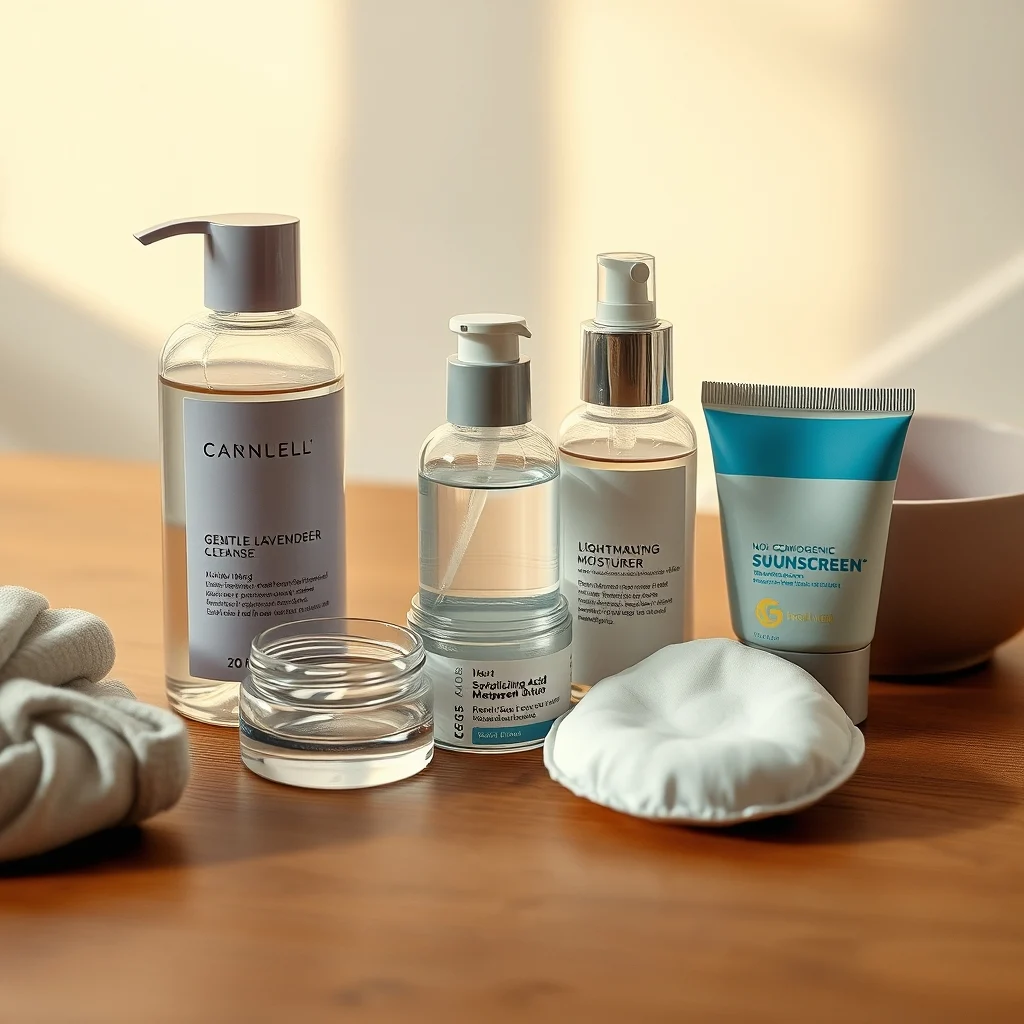
Struggling with persistent acne can feel like an endless cycle of trial and error, especially when the products you try either fail to deliver or leave your skin feeling stripped and irritated. What if the key to clearer skin isn’t just about slathering on more actives, but rather about strengthening your skin’s natural defenses and simplifying your routine? A barrier-first, skinimalism approach focuses on repairing and protecting your skin barrier while minimizing unnecessary products—offering a gentler yet effective path to acne management.
Many people assume acne is solely a matter of targeting breakouts with strong ingredients, but overdoing it can disrupt your skin’s moisture balance and protective layer. This imbalance often worsens acne by triggering inflammation and sensitivity. By prioritizing barrier repair and reducing clutter in your skincare routine, you can create an environment where your skin heals more effectively, reducing both active breakouts and the redness or scarring that often follow.
Why Your Skin Barrier Matters More Than You Think
The skin barrier is your skin’s first line of defense against irritants, bacteria, and environmental stressors—all of which can contribute to acne. When this barrier is compromised, your skin becomes more prone to dryness, irritation, and breakouts. Unlike traditional acne treatments that focus solely on active ingredients like benzoyl peroxide or salicylic acid, a barrier-first approach ensures your skin is healthy enough to respond to those treatments without overreacting.
Signs your skin barrier might be compromised include redness, tightness, flakiness, or persistent irritation—even after using gentle products. These symptoms often indicate that your skin is struggling to retain moisture or protect itself, making it harder to manage acne effectively. By addressing the barrier first, you lay the foundation for clearer skin without relying solely on harsh actives.
This approach also aligns with the principles of skinimalism, which emphasizes simplicity and intentionality in skincare. Instead of layering on multiple products, you focus on what truly works for your skin type and concerns. For acne-prone skin, this might mean sticking to a few key ingredients—like hyaluronic acid for hydration and ceramides for barrier repair—while avoiding unnecessary additives that could clog pores or cause irritation.
How to Build a Barrier-First Skincare Routine
Starting a barrier-first routine doesn’t require a complete overhaul of your current products, but it does mean making mindful choices about what you apply to your skin. Begin by cleansing gently with a pH-balanced cleanser that doesn’t strip your skin of its natural oils. Look for ingredients like glycerin or ceramides, which help maintain hydration and reinforce the barrier.
Next, consider incorporating a lightweight, non-comedogenic moisturizer into your routine. Moisturizers with ceramides, cholesterol, or fatty acids can help restore and strengthen the skin barrier, reducing the likelihood of breakouts. If your skin feels tight or dry after cleansing, this step is especially important—even oily skin needs hydration to function properly.
For those dealing with active breakouts, a targeted treatment can still play a role, but it should be applied strategically. Instead of using strong actives like benzoyl peroxide daily, consider alternating with gentler options such as niacinamide or azelaic acid. These ingredients help reduce inflammation and redness without compromising your skin’s barrier. Always patch-test new products to ensure they won’t cause irritation.
The Role of Skinimalism in Acne Management
Skinimalism encourages a minimalist approach to skincare, focusing on quality over quantity. This philosophy is particularly beneficial for acne-prone skin because it reduces the risk of irritation and clogged pores that can come from overusing products. Instead of layering on serums, essences, and treatments, you might simplify your routine to include just a few essential steps: cleaning, treating (if needed), and moisturizing.
One of the biggest mistakes people make with acne treatment is assuming more is better. Overusing actives can lead to dryness, peeling, and even more breakouts as your skin reacts to the irritation. By embracing skinimalism, you create a routine that’s sustainable and effective, allowing your skin to heal without unnecessary stress.
This approach also encourages you to pay closer attention to the ingredients in your products. Avoid those with alcohol, fragrance, or heavy oils that can clog pores. Instead, opt for lightweight, non-irritating formulas that support your skin’s natural functions. Over time, you’ll likely notice fewer breakouts and a more balanced complexion.
Common Pitfalls to Avoid in Acne Treatment
Even with the best intentions, it’s easy to fall into habits that sabotage your acne treatment efforts. One of the most common mistakes is not being patient enough. Acne treatments take time to show results, and rushing the process—such as over-exfoliating or using harsh products—can do more harm than good. Your skin needs time to adjust and heal, so consistency is key.
Another pitfall is ignoring your skin’s needs beyond acne. For example, if your skin is dry or sensitive, using only drying actives can worsen the issue. Always balance your routine with hydrating and soothing ingredients to keep your skin in tip-top shape. Additionally, avoid touching your face throughout the day, as this can transfer bacteria and irritants, leading to more breakouts.
Lastly, don’t fall for the myth that acne is only about genetics or hormones. While these factors can play a role, your daily skincare habits and lifestyle choices—like diet and stress management—also impact your skin’s health. By addressing all these areas, you can create a holistic approach to acne management.
When to Seek Professional Guidance
While a barrier-first, skinimalist approach can work wonders for many, there are times when professional intervention is necessary. If your acne is severe, persistent, or causing significant scarring, it’s worth consulting a dermatologist. They can provide tailored treatments, such as prescription-strength medications or procedures, that address your specific needs.
Even if your acne is mild, a dermatologist can offer personalized advice on product selection and routine adjustments. They can also help you identify any underlying issues—like hormonal imbalances or dietary triggers—that might be contributing to your breakouts. Remember, professional guidance doesn’t mean you’ve failed; it means you’re taking proactive steps to achieve the clearest skin possible.
In the meantime, focus on building a routine that respects your skin’s needs. By prioritizing barrier repair and simplicity, you’ll create a foundation for healthier, clearer skin—without the frustration of trial and error.
You may also like
-
Acne Treatment Guides: What Most People Get Wrong
-
Acne Treatment Guides: A Barrier-First, Skinimalism Approach for Clearer Skin
-
Acne Treatment Guides: A Barrier-First Approach for Clearer Skin
-
Panduan Lengkap Acne Treatment: Cara Mulai dengan Pendekatan Skinimalis yang Efektif
-
Acne Treatment Guides: A Barrier-First Approach for Clearer Skin