
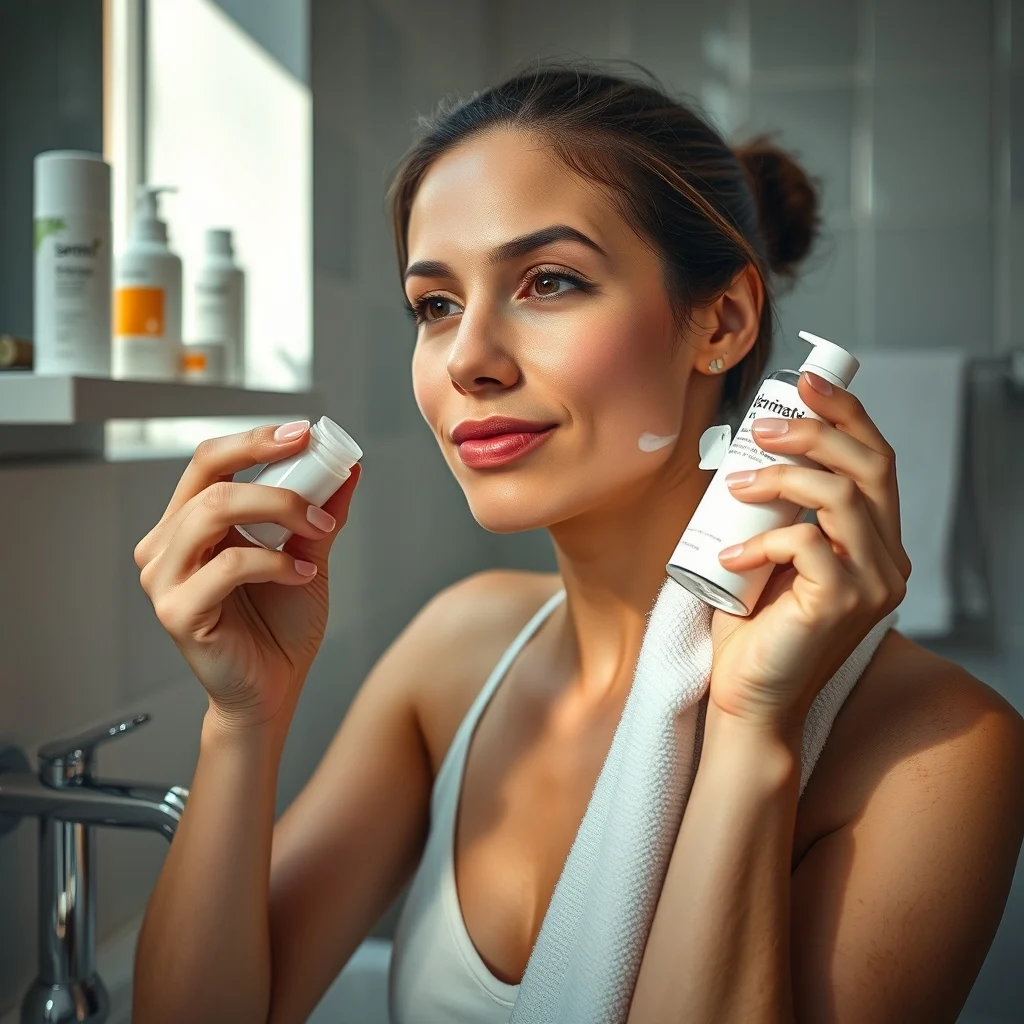
Struggling with acne can feel like a never-ending battle, especially when it seems like no matter what you try, breakouts keep returning. The frustration often stems from trial and error with treatments that either don’t work or even worsen the skin. The truth is, many people unknowingly make mistakes that slow down their progress toward clearer skin. Understanding these pitfalls can help you skip the guesswork and focus on what truly works.
Ignoring the Basics: Why Skincare Fundamentals Matter
One of the most common mistakes is neglecting the fundamentals of skincare. Cleansing your face twice daily with a gentle, non-comedogenic cleanser is the cornerstone of any effective acne treatment guides. Skipping this step or using harsh soaps can disrupt your skin’s natural balance, leading to more breakouts. Additionally, many people overlook the importance of moisturizing, assuming that oily skin doesn’t need hydration. However, even oily skin requires hydration to maintain a healthy barrier, which helps prevent clogged pores and excess oil production.
Another oversight is not using sunscreen daily. Many acne treatments can increase sun sensitivity, and skipping SPF can lead to further irritation or even worsen acne scars. Make sunscreen a non-negotiable part of your routine, especially if you’re using active ingredients like retinoids or benzoyl peroxide.
Overdoing It: The Dangers of Layering Too Many Products
While it’s tempting to layer multiple acne treatments at once, this can often backfire. Using too many actives—like salicylic acid, benzoyl peroxide, and retinoids—simultaneously can cause irritation, redness, and even trigger more breakouts. Start with one or two key ingredients and introduce new products gradually to assess how your skin reacts. Patience is key; rushing the process can lead to more harm than good.
Similarly, many people make the mistake of using products that contain alcohol or fragrances, which can strip the skin of its natural oils and disrupt its protective barrier. Opt for fragrance-free and alcohol-free formulations to minimize irritation and keep your skin healthy.
Touching Your Face: A Habit That Worsens Acne
Touching your face throughout the day—whether out of habit, boredom, or stress—can transfer bacteria and oils from your hands to your skin, clogging pores and causing breakouts. This is one of those simple yet often overlooked habits that can make a big difference. Keep your hands clean and avoid resting your face on dirty surfaces like your phone or pillowcases. If you need to touch your face, do so with clean hands and avoid pressing on active breakouts, as this can push bacteria deeper into the skin.
Not Being Consistent: Why Routine Is Key
Acne treatments take time to show results, and skipping steps in your routine can derail progress. Consistency is critical—whether it’s cleansing, moisturizing, or applying treatments—skipping days or using products sporadically won’t yield the same results as a steady routine. If you miss a day here and there, don’t panic, but make sure to get back on track as soon as possible. Small, regular efforts compound over time and lead to clearer skin.
Another consistency-related mistake is not following the instructions on your products. For example, benzoyl peroxide should be applied in thin layers to avoid irritation, and retinoids work best when started slowly and gradually increased. Paying attention to these details ensures you’re using your products effectively without causing unnecessary irritation.
Using the Wrong Products for Your Skin Type
Not all acne treatments are created equal, and using products that aren’t suited to your skin type can do more harm than good. For example, those with dry or sensitive skin may find that harsh exfoliants or drying ingredients like alcohol worsen their condition. On the other hand, oily skin types might benefit from oil-free, non-comedogenic products that help control excess sebum. Understanding your skin’s unique needs and choosing products accordingly is essential for long-term success.
If you’re unsure about which products to use, start with gentle, non-irritating options and gradually introduce stronger actives as your skin builds tolerance. You can also consult general dermatology resources like those from the American Academy of Dermatology for guidance on selecting the right products for your skin type.
Giving Up Too Soon: Patience Pays Off
Finally, one of the biggest mistakes people make is expecting overnight results. Acne treatments take time to work, and seeing improvements can take several weeks or even months, depending on the severity of your breakouts. Giving up too soon often leads to frustration and a cycle of trying new products without seeing lasting results. Instead, commit to your routine and trust the process. Clearer skin is within reach, but it requires persistence and the right approach.
By avoiding these common mistakes, you’ll be well on your way to a more effective acne treatment guides routine. Small changes can make a big difference, so start with one or two adjustments and build from there. Your skin will thank you!
You may also like
-
Acne Treatment Guides: What Most People Get Wrong
-
Acne Treatment Guides: A Barrier-First, Skinimalism Approach for Clearer Skin
-
Acne Treatment Guides: A Barrier-First Approach for Clearer Skin
-
Acne Treatment Guides: A Barrier-First, Skinimalism Approach for Clearer Skin
-
Panduan Lengkap Acne Treatment: Cara Mulai dengan Pendekatan Skinimalis yang Efektif