
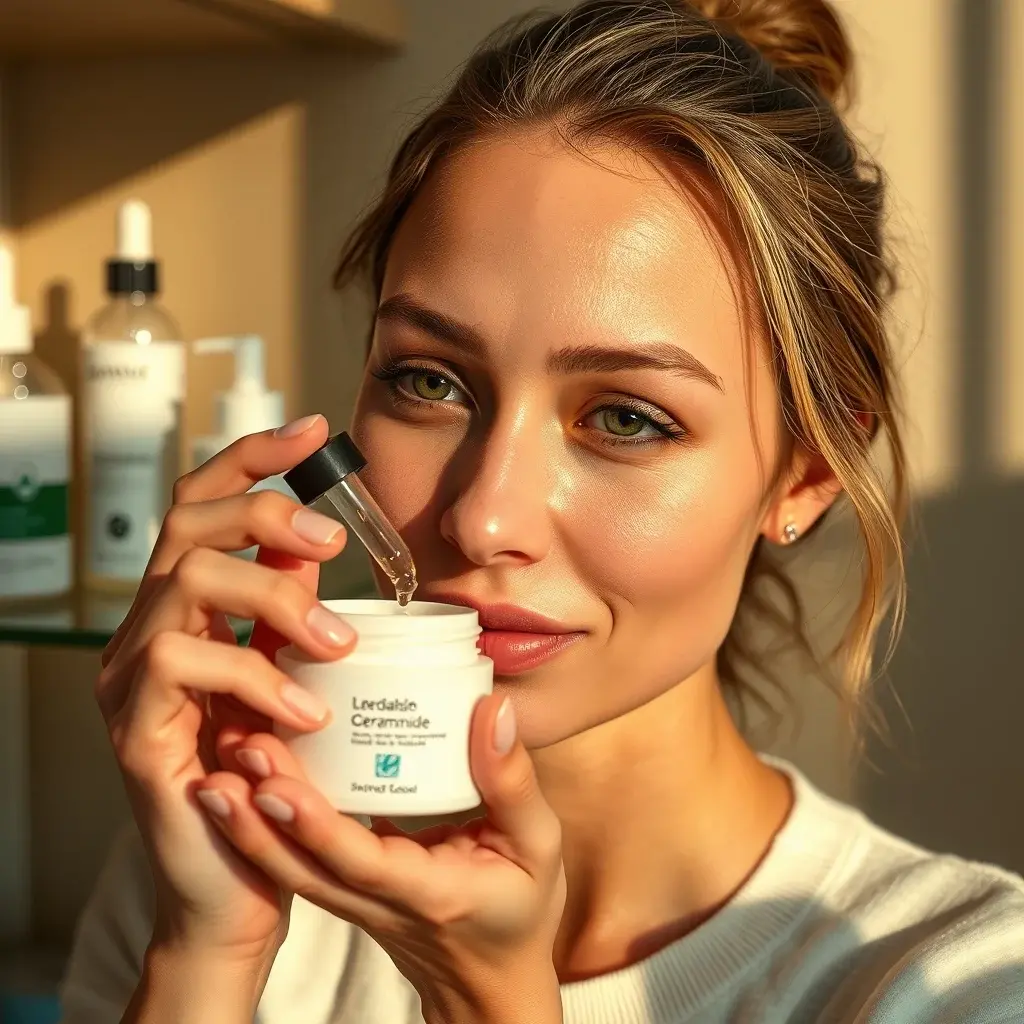
Struggling with acne can feel like an endless cycle of trial and error. No matter how many products you try, the breakouts keep coming back, leaving you frustrated and unsure of where to start. The key to finally achieving clearer skin might not be in the latest trendy ingredient, but in understanding and strengthening your skin’s natural barrier.
Why Your Skin Barrier Matters in Acne Treatment
Many people focus solely on treating active breakouts, but neglecting the skin barrier can actually worsen acne over time. A healthy barrier helps lock in moisture, prevents irritation, and keeps bacteria and pollutants out. When it’s compromised, your skin becomes more susceptible to inflammation and breakouts. Start by identifying products that are gentle yet effective—avoid harsh scrubs, alcohol-based toners, and anything that strips your skin of its natural oils.
Look for ingredients like ceramides, hyaluronic acid, and cholesterol, which help repair and strengthen the skin barrier. These actives work quietly in the background, ensuring your skin stays resilient while you address breakouts. Consistency is key—giving your skin time to adapt to new products without overloading it with active ingredients.
Simplify Your Routine: Less Is More
Overcomplicating your skincare routine can do more harm than good, especially when dealing with acne. Instead of layering on multiple serums and treatments, focus on a minimalist approach. Start with a gentle cleanser that doesn’t disrupt your skin’s pH balance, followed by a lightweight moisturizer. If you’re using actives like salicylic acid or benzoyl peroxide, introduce them one at a time to avoid irritation.
Morning and night routines should align with your skin’s needs. In the morning, prioritize hydration and sun protection to prevent further damage. At night, allow your skin to repair itself with a nourishing treatment. Remember, simplicity reduces the risk of over-exfoliation or clogging pores unintentionally.
How to Choose the Right Products for Your Skin
Not all acne treatments are created equal, and what works for one person might not work for another. For example, oily skin may benefit from oil-free gels or lightweight lotions, while dry or sensitive skin might need richer emollients. Always check the ingredient list for potential irritants like fragrances, essential oils, or high concentrations of alcohol.
If you’re unsure where to start, begin with a barrier-repairing moisturizer and a mild exfoliant. Over time, you can introduce targeted treatments like niacinamide for redness or azelaic acid for inflammation. Listening to your skin’s feedback—such as redness, tightness, or increased breakouts—will guide you toward what truly works.
Common Mistakes That Sabotage Acne Treatment
Even with the best intentions, certain habits can hinder progress. One of the biggest mistakes is touching your face throughout the day, transferring bacteria and oil from your hands to your pores. Another is using products that are too strong for your skin type, leading to irritation and breakouts. Additionally, skipping sunscreen during the day can accelerate skin aging and worsen acne scars.
Another pitfall is expecting overnight results. Acne treatment is a marathon, not a sprint. Patience and persistence are essential—some treatments take weeks or even months to show noticeable improvements. Avoid the temptation to switch products too frequently, as this can disrupt your skin’s healing process.
When to Seek Professional Help
While many acne cases can be managed with over-the-counter products, some situations call for professional intervention. If your acne is severe, persistent, or leaves behind scars, consulting a dermatologist can provide tailored solutions. They can recommend prescription-strength treatments or procedures like chemical peels or laser therapy that go beyond what’s available in drugstores.
Professional treatments can be especially helpful for those who’ve tried multiple at-home remedies without success. A dermatologist can also help identify underlying causes, such as hormonal imbalances or dietary triggers, that might be contributing to your breakouts. This personalized approach ensures you’re addressing the root of the issue, not just the symptoms.
If you’re ready to take control of your skin and finally see clearer results, start by focusing on strengthening your skin barrier. Simplify your routine, choose gentle yet effective products, and be patient with the process. Small, consistent steps will lead to lasting improvements—your future self will thank you for it.
You may also like
-
Acne Treatment Guides: What Most People Get Wrong
-
Acne Treatment Guides: A Barrier-First, Skinimalism Approach for Clearer Skin
-
Acne Treatment Guides: A Barrier-First Approach for Clearer Skin
-
Acne Treatment Guides: A Barrier-First, Skinimalism Approach for Clearer Skin
-
Panduan Lengkap Acne Treatment: Cara Mulai dengan Pendekatan Skinimalis yang Efektif