
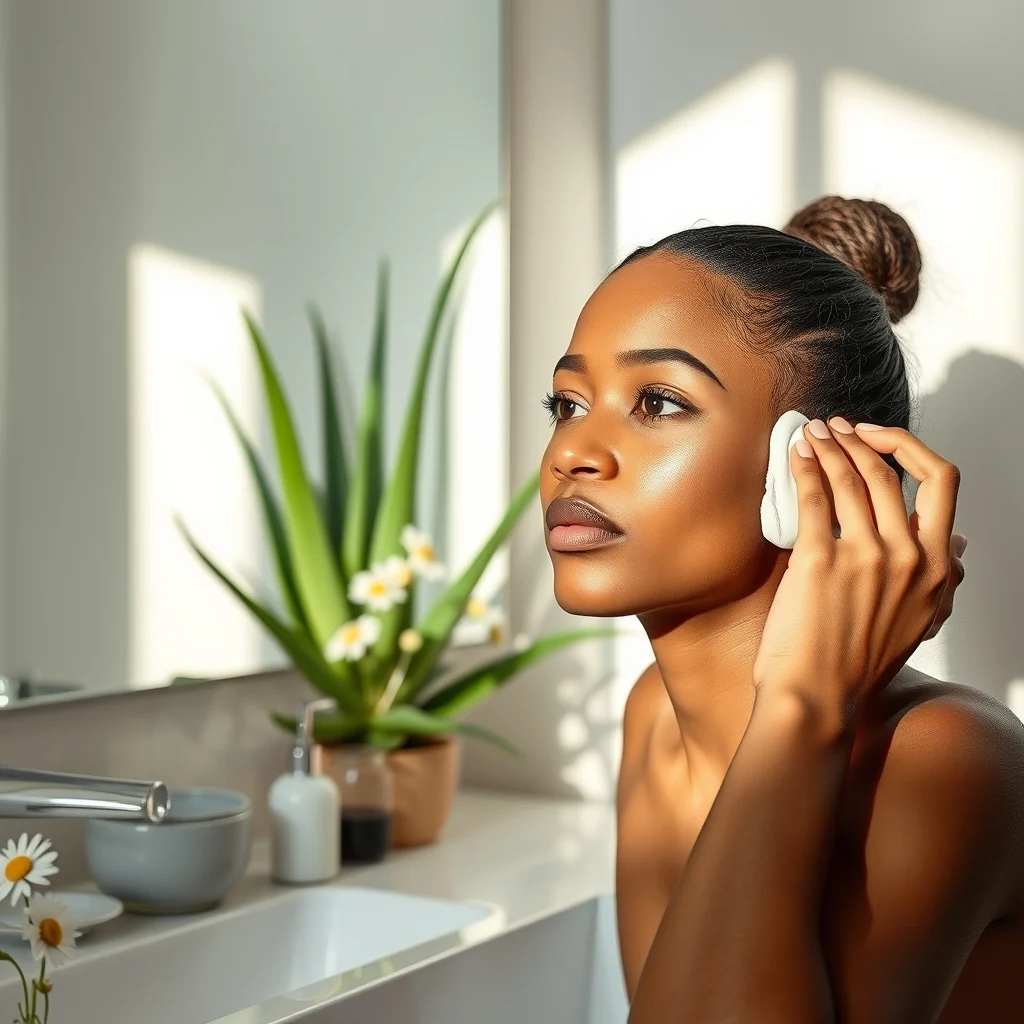
Struggling with persistent acne can feel like an endless cycle of trial and error, but the truth is, many common approaches actually worsen the problem—or fail to address the root cause entirely. Whether it’s over-scrubbing, using harsh ingredients, or ignoring lifestyle factors, small missteps can derail even the most well-intentioned skincare routine. The good news? Clearing up acne starts with recognizing these mistakes and replacing them with science-backed strategies that actually work.
Why Common Acne Advice Falls Short
Acne isn’t just about clogged pores—it’s a complex interplay of excess oil, bacteria, inflammation, and sometimes hormonal fluctuations. Yet, many popular acne treatments focus solely on surface-level fixes, like aggressive exfoliation or drying agents, which can strip the skin of its natural moisture barrier. This disrupts the skin’s balance, triggering compensatory oil production and leaving you with redness, irritation, or even more breakouts. The key is to target acne without compromising the skin’s health, which means ditching one-size-fits-all solutions in favor of tailored approaches.
Another widespread misconception is that acne is solely a result of poor hygiene. While keeping your skin clean is important, over-washing or using abrasive cleansers can exacerbate the issue. These habits strip away essential oils and disrupt the skin’s microbiome, creating an environment where acne-causing bacteria thrive. Instead, gentle yet effective cleansing should be the foundation of any acne treatment plan.
Mistake #1: Overusing Harsh Ingredients
Ingredients like benzoyl peroxide and salicylic acid are staples in acne treatment, but they’re not one-and-done solutions. Using them too frequently or in overly concentrated forms can lead to dryness, peeling, and even increased sensitivity. The result? A cycle of irritation that makes acne worse over time. Instead of relying on these actives alone, consider layering them with soothing, hydrating ingredients to maintain skin balance. For example, pairing benzoyl peroxide with a lightweight, fragrance-free moisturizer can help mitigate dryness while still targeting bacteria.
Similarly, alcohol-based toners and astringents are often marketed as acne fighters, but they can disrupt the skin’s pH and leave it vulnerable to irritation. Opt for alcohol-free, pH-balanced toners that contain calming ingredients like aloe vera or chamomile. These alternatives help prep the skin for treatment without causing unnecessary damage.
Mistake #2: Ignoring Your Skin Barrier
The skin barrier is your first line of defense against acne triggers, yet it’s often overlooked in favor of aggressive treatments. When the barrier is compromised—whether from harsh cleansers, excessive exfoliation, or environmental stressors—it becomes easier for bacteria and irritants to penetrate, leading to inflammation and breakouts. Repairing and strengthening the barrier should be a priority, especially if you’re dealing with persistent acne.
To support your skin barrier, incorporate ceramides, hyaluronic acid, and cholesterol into your routine. These ingredients help restore the skin’s natural lipid layer, lock in moisture, and reduce sensitivity. Even if you’re using active ingredients like retinoids or acids, always follow up with a barrier-repairing moisturizer to prevent over-drying.
Mistake #3: Skipping Sun Protection
Sun exposure is often associated with aging or hyperpigmentation, but it also plays a role in acne. UV rays can increase oil production, trigger inflammation, and worsen post-acne marks. Yet, many people with acne avoid sunscreen due to concerns about clogged pores or greasy textures. The solution? Choose a non-comedogenic, oil-free sunscreen with ingredients like zinc oxide or titanium dioxide. These provide broad-spectrum protection without contributing to breakouts.
If you’re worried about sunscreen feeling heavy, opt for a lightweight, gel-based formula or a mineral powder. Consistency is key—applying sunscreen daily, even on cloudy days, helps prevent sun-induced acne flare-ups and protects against long-term skin damage. Think of it as a non-negotiable step in your routine, not an afterthought.
Mistake #4: Not Addressing Lifestyle Factors
While topical treatments are essential, lifestyle habits can either accelerate or slow down your progress. Diet, stress, and sleep all influence acne, yet they’re often sidelined in favor of skincare products alone. For instance, high-glycemic foods and dairy have been linked to increased acne activity in some individuals, while chronic stress elevates cortisol levels, which can trigger breakouts. Small changes—like staying hydrated, managing stress, and prioritizing sleep—can make a noticeable difference in your skin’s clarity.
Additionally, pillowcases, towels, and phone screens can transfer bacteria and oils to your skin, contributing to breakouts. Washing these items regularly and avoiding touching your face throughout the day can reduce the risk of clogged pores. Pairing these habits with a consistent skincare routine creates a holistic approach to acne management.
Mistake #5: Expecting Overnight Results
Acne treatment isn’t a quick fix—it’s a marathon, not a sprint. Many people give up too soon because they don’t see immediate results, but healing takes time, especially if your acne is deep-seated or hormonal. Consistency is critical; it can take weeks or even months to notice significant improvement, depending on the severity of your acne. Set realistic expectations and focus on progress rather than perfection.
If you’re impatient, consider combining topical treatments with professional options like chemical peels or laser therapy, but always consult a dermatologist first. These treatments can accelerate results, but they should complement—not replace—your at-home routine. Patience and persistence are your best allies in the fight against acne.
Clearing acne isn’t about perfection; it’s about progress. By avoiding these common mistakes and adopting a thoughtful, science-backed approach, you’ll be well on your way to healthier, clearer skin. Start small, stay consistent, and trust the process—your skin will thank you.
You may also like
-
Acne Treatment Guides: A Barrier-First, Skinimalism Approach for Clearer Skin
-
Acne Treatment Guides: A Barrier-First Approach for Clearer Skin
-
Acne Treatment Guides: A Barrier-First, Skinimalism Approach for Clearer Skin
-
Panduan Lengkap Acne Treatment: Cara Mulai dengan Pendekatan Skinimalis yang Efektif
-
Acne Treatment Guides: A Barrier-First Approach for Clearer Skin