
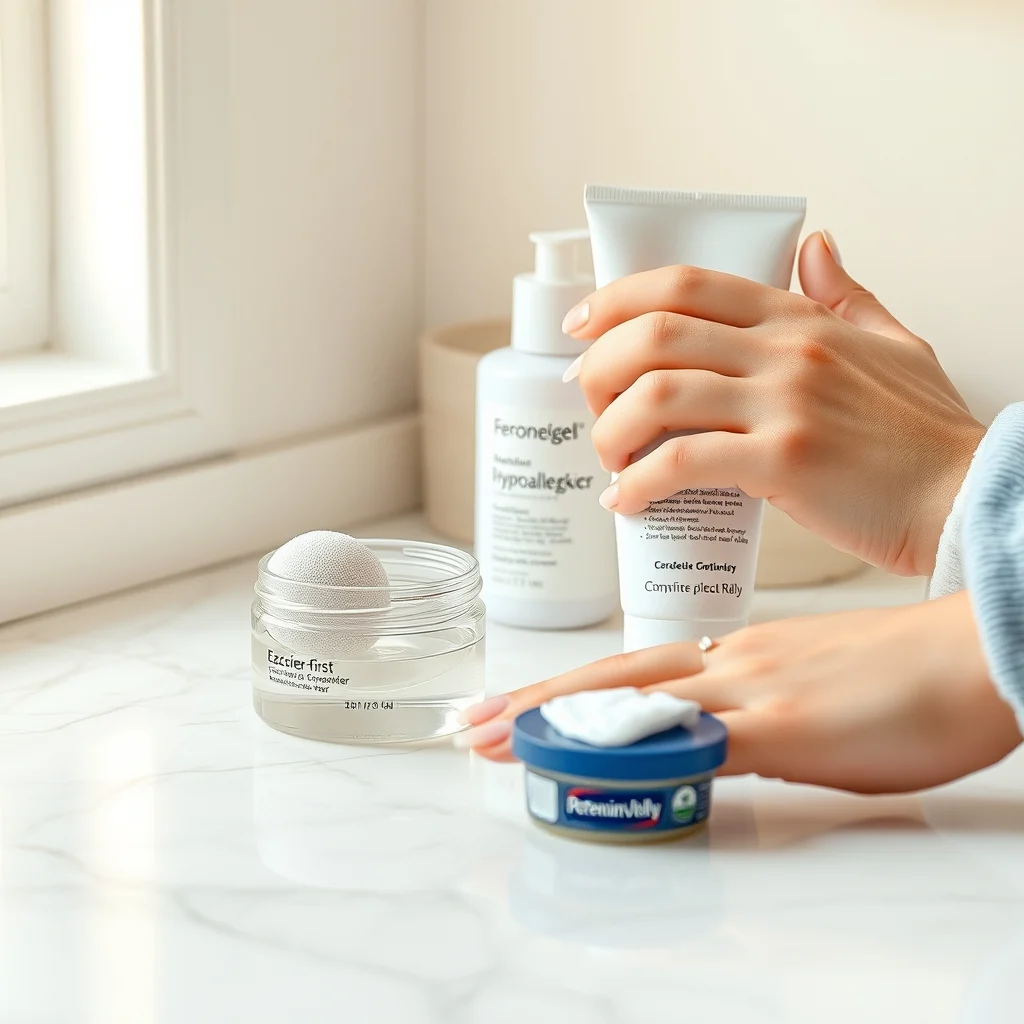
Imagine waking up to skin that feels like it’s wrapped in sandpaper, only to be met with another day of itching, redness, and frustration. Living with eczema and sensitive skin can feel like a never-ending cycle of trial and error, where even the gentlest products seem to trigger irritation. The good news? With the right approach, you can restore balance, strengthen your skin’s natural defenses, and finally breathe easier. The key lies in understanding how to care for your skin without compromising its delicate barrier—because when your skin is happy, so are you.
Understanding the Root of the Problem: Why Your Skin Feels So Fragile
Eczema and sensitive skin often share the same underlying issue: a compromised skin barrier. This barrier acts like a protective shield, locking in moisture and keeping out irritants. When it’s weakened—whether by harsh products, environmental factors, or genetics—your skin becomes more susceptible to dryness, inflammation, and flare-ups. The first step toward calmer skin is recognizing what’s disrupting your barrier in the first place.
Common culprits include over-cleansing with stripping surfactants, using fragranced or alcohol-based products, and even environmental stressors like extreme temperatures or low humidity. If your skin feels tight, stings after cleansing, or reacts to ingredients that others tolerate, it’s a sign your barrier needs extra attention. The goal isn’t just to soothe the symptoms but to rebuild resilience from within.
For many, the confusion starts with what to avoid. Harsh cleansers, exfoliants with physical scrubs, and products packed with synthetic dyes or preservatives can worsen irritation. Instead, focus on gentle, non-irritating ingredients that respect your skin’s sensitivity. Think of it as switching from a harsh brush to a soft, feather-light touch—your skin will thank you.
Building Your Routine Around Barrier Repair: The Gentle Approach
When it comes to eczema and sensitive skin care, less is often more. Your routine should prioritize hydration, soothing ingredients, and protection rather than aggressive treatments. Start with a fragrance-free, hypoallergenic cleanser that removes dirt without stripping natural oils. Look for gentle surfactants like decyl glucoside or coconut-derived cleansers that cleanse without disrupting your skin’s moisture balance.
After cleansing, lock in moisture with a rich, emollient-rich cream or balm. Ingredients like ceramides, cholesterol, and fatty acids help restore the skin’s natural lipid layer, which is crucial for a strong barrier. For extra comfort, opt for products with soothing actives like oat extract, colloidal oatmeal, or aloe vera. These aren’t just moisturizers—they’re your skin’s first line of defense against irritation.
Don’t overlook the power of occlusion. Products like petroleum jelly or dimethicone create a protective layer that prevents moisture loss, which is especially helpful for those with very dry or cracked skin. Think of it as wrapping your skin in a warm, protective blanket—cozy and secure.
What to Avoid: Common Pitfalls That Worsen Eczema
Even the most well-intentioned skincare routines can backfire if they include ingredients that irritate sensitive skin. Fragrances, alcohol, and synthetic dyes are top offenders, as they can trigger redness, itching, and flare-ups. Similarly, physical exfoliants like scrubs or brushes can cause micro-tears, leaving your skin more vulnerable. If you’re looking to refine your texture, opt for chemical exfoliants like lactic acid or mandelic acid—just ensure they’re formulated for sensitive skin and used sparingly.
Another mistake is over-moisturizing with heavy, greasy products that can clog pores or trap heat, leading to breakouts or discomfort. Instead, choose lightweight but deeply hydrating options that absorb quickly. And while it might be tempting to layer products for extra benefits, more isn’t always better. Stick to a simple, consistent routine to avoid overwhelming your skin.
Environmental factors also play a role. Harsh soaps, hot water, and even long, hot showers can strip your skin of its natural oils. Opt for lukewarm water and pat your skin dry gently with a soft towel—no rubbing! And if you’re exposed to dry air, consider a humidifier to keep your skin’s moisture levels stable.
When to Seek Professional Help: Knowing When to Upgrade Your Routine
While a gentle, barrier-focused routine can work wonders for many, there are times when professional treatments can provide extra relief. If your eczema is severe, persistent, or doesn’t improve with over-the-counter products, consulting a dermatologist can help identify underlying causes or recommend targeted therapies. Topical steroids, calcineurin inhibitors, or prescription moisturizers are often prescribed to manage flare-ups effectively.
Professional treatments like phototherapy or biologic medications are also options for those with moderate to severe eczema. These aren’t just for extreme cases—they’re part of a broader spectrum of care that can be tailored to your skin’s unique needs. The key is to work with a professional who understands your skin’s history and can guide you toward the most effective solutions.
That said, professional treatments shouldn’t replace a solid home routine. Think of them as a powerful tool in your toolkit, not a replacement for daily care. The best results often come from combining at-home barrier repair with professional interventions when needed.
Quick Wins for Immediate Relief: Small Changes, Big Impact
If you’re looking for fast, easy ways to ease eczema symptoms without overhauling your entire routine, start with these simple swaps. Replace your regular soap with a mild, pH-balanced cleanser designed for sensitive skin. Swap out your cotton pillowcases for silk or satin, as they reduce friction and irritation. And keep your nails trimmed to prevent accidental scratching, which can worsen inflammation.
For flare-ups, cool compresses can provide instant relief by reducing redness and itching. And if your skin feels dry, a thin layer of petroleum jelly applied before bed can create a protective barrier that prevents moisture loss overnight. These small adjustments can make a noticeable difference in how your skin feels day to day.
Finally, pay attention to your clothing choices. Opt for soft, breathable fabrics like cotton or bamboo, and avoid tight-fitting garments that can irritate your skin. When you’re dressed comfortably, your skin can focus on healing rather than reacting to external stressors.
Caring for eczema and sensitive skin doesn’t have to be complicated. It’s about listening to your skin, making mindful choices, and being patient with the process. By focusing on barrier repair, avoiding irritants, and incorporating small but effective habits, you can create a routine that not only soothes but also strengthens your skin over time. The result? A complexion that feels balanced, comfortable, and ready to handle whatever comes next.
You may also like
-
Eczema & Sensitive Skin Care: A Barrier-First, Skinimalism Approach
-
Eczema & Sensitive Skin Care: A Barrier-First, Skinimalism Approach
-
Eczema & Sensitive Skin Care: A Beginner’s Step-by-Step Guide to Gentle, Effective Routines
-
Eczema & Sensitive Skin Care: Common Mistakes to Avoid for Healthier Skin
-
Eczema & Sensitive Skin Care: A Step-by-Step Guide for Soothed Skin