
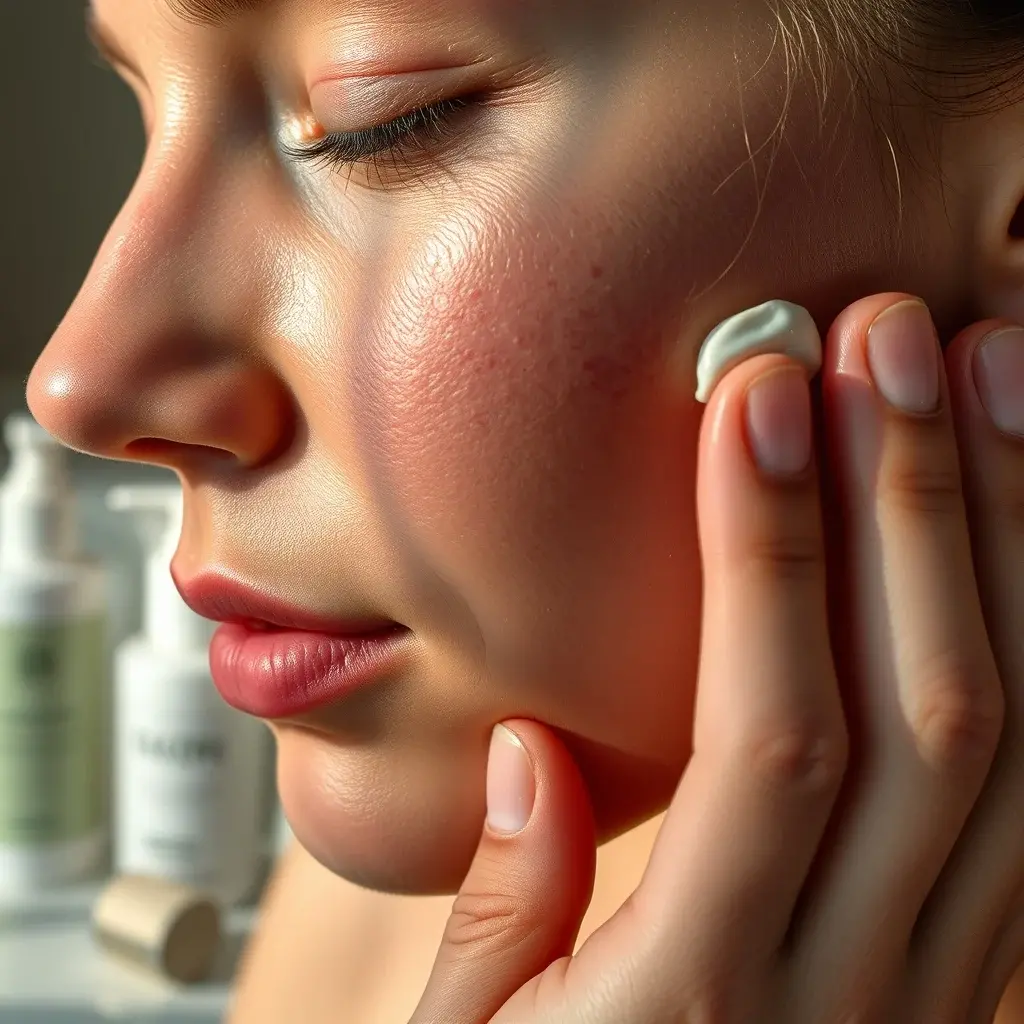
Imagine waking up every morning to skin that feels tight, itchy, and irritated—no matter how much moisturizer you apply. If you struggle with eczema or sensitive skin, you’re not alone. The good news is that a simple yet effective shift in your skincare routine can make a world of difference. Instead of overwhelming your skin with harsh ingredients or overly complex products, focusing on a barrier-first, skinimalism approach can help restore balance, reduce flare-ups, and leave your skin feeling calmer and more resilient.
The key to managing eczema and sensitive skin lies in understanding your skin’s natural defenses. A healthy skin barrier acts like a protective shield, locking in moisture and keeping irritants out. When this barrier is compromised—often due to dryness, over-exfoliation, or harsh products—your skin becomes more susceptible to redness, inflammation, and discomfort. By prioritizing ingredients that repair and strengthen this barrier while simplifying your routine, you can create a foundation for healthier, happier skin.
Understanding the Skin Barrier: Why It Matters for Eczema
Your skin barrier is made up of lipids, proteins, and ceramides that work together to maintain hydration and protect against environmental stressors. When this barrier is damaged, it can lead to increased sensitivity, dryness, and flare-ups of eczema. The good news is that you can support your skin’s natural repair process by choosing the right products and practices. Look for ingredients like ceramides, hyaluronic acid, and cholesterol, which help rebuild and fortify the barrier over time.
A barrier-first approach means putting products that repair and protect the skin at the forefront of your routine. This doesn’t mean you have to use expensive or overly complex products—sometimes, less is more. By focusing on gentle, nourishing ingredients, you can reduce irritation while allowing your skin to heal naturally.
Simplifying Your Routine: The Power of Skinimalism
Skinimalism is all about stripping back your routine to its essentials—using only the most effective, skin-loving products while avoiding unnecessary additives or irritants. For those with eczema or sensitive skin, this means avoiding heavy fragrances, alcohol-based toners, and abrasive scrubs. Instead, opt for clean, minimal formulations that focus on hydration, soothing, and barrier repair.
Start with a gentle cleanser that removes dirt and oil without stripping your skin of its natural oils. Follow up with a lightweight, fragrance-free moisturizer that contains ceramides or colloidal oatmeal to calm irritation. If your skin feels particularly dry or tight, a simple layer of petroleum jelly or a thick, emollient balm can provide an extra layer of protection. Remember, the goal is to keep things simple—your skin will thank you for it.
Key Ingredients for Eczema-Prone Skin
Not all ingredients are created equal when it comes to eczema and sensitive skin. Some ingredients can soothe inflammation, while others work to repair the skin barrier. Hyaluronic acid is a hydrating powerhouse that draws moisture into the skin, while ceramides help restore the lipid layer. Colloidal oatmeal is another gentle yet effective ingredient that reduces itching and redness.
For those looking to take their routine to the next level, consider incorporating peptides or regenerative actives like PDRN (polideoxyribonucleotide). These ingredients can support skin repair and reduce inflammation, making them ideal for those with compromised skin barriers. Always patch-test new products to ensure they suit your skin’s needs.
Avoiding Common Triggers and Irritants
Even the most well-intentioned skincare routines can backfire if you’re not mindful of potential irritants. Harsh soaps, alcohol-based products, and synthetic fragrances are common culprits that can worsen eczema symptoms. Pay close attention to the ingredients in your products, and opt for those labeled as “fragrance-free” or “hypoallergenic” to minimize risk.
Environmental factors also play a role in skin sensitivity. Extreme temperatures, low humidity, and even stress can trigger flare-ups. Protect your skin by using a humidifier in dry climates, wearing breathable fabrics, and managing stress through relaxation techniques like meditation or gentle exercise.
When to Seek Professional Guidance
While a barrier-first, skinimalism approach can work wonders for many, some cases of eczema may require professional intervention. If your symptoms persist despite consistent care, or if you experience severe redness, bleeding, or widespread discomfort, it’s time to consult a dermatologist. They can provide tailored advice, prescribe topical steroids or other treatments, and help you navigate long-term management strategies.
Professional treatments aren’t just for severe cases—they can also offer personalized insights into your skin’s unique needs. Whether it’s a prescription-strength moisturizer or a targeted treatment plan, working with a dermatologist can give you the tools to better manage eczema and sensitive skin.
Taking the first step toward healthier skin doesn’t have to be overwhelming. Start by simplifying your routine, focusing on barrier repair, and being mindful of ingredients that could irritate your skin. With consistency and the right approach, you can create a skincare regimen that soothes, protects, and nourishes—helping you achieve the calm, comfortable skin you deserve.
You may also like
-
Eczema & Sensitive Skin Care: A Barrier-First Approach for Lasting Comfort
-
Eczema & Sensitive Skin Care: A Barrier-First, Skinimalism Approach
-
Eczema & Sensitive Skin Care: A Beginner’s Step-by-Step Guide to Gentle, Effective Routines
-
Eczema & Sensitive Skin Care: Common Mistakes to Avoid for Healthier Skin
-
Eczema & Sensitive Skin Care: A Step-by-Step Guide for Soothed Skin