
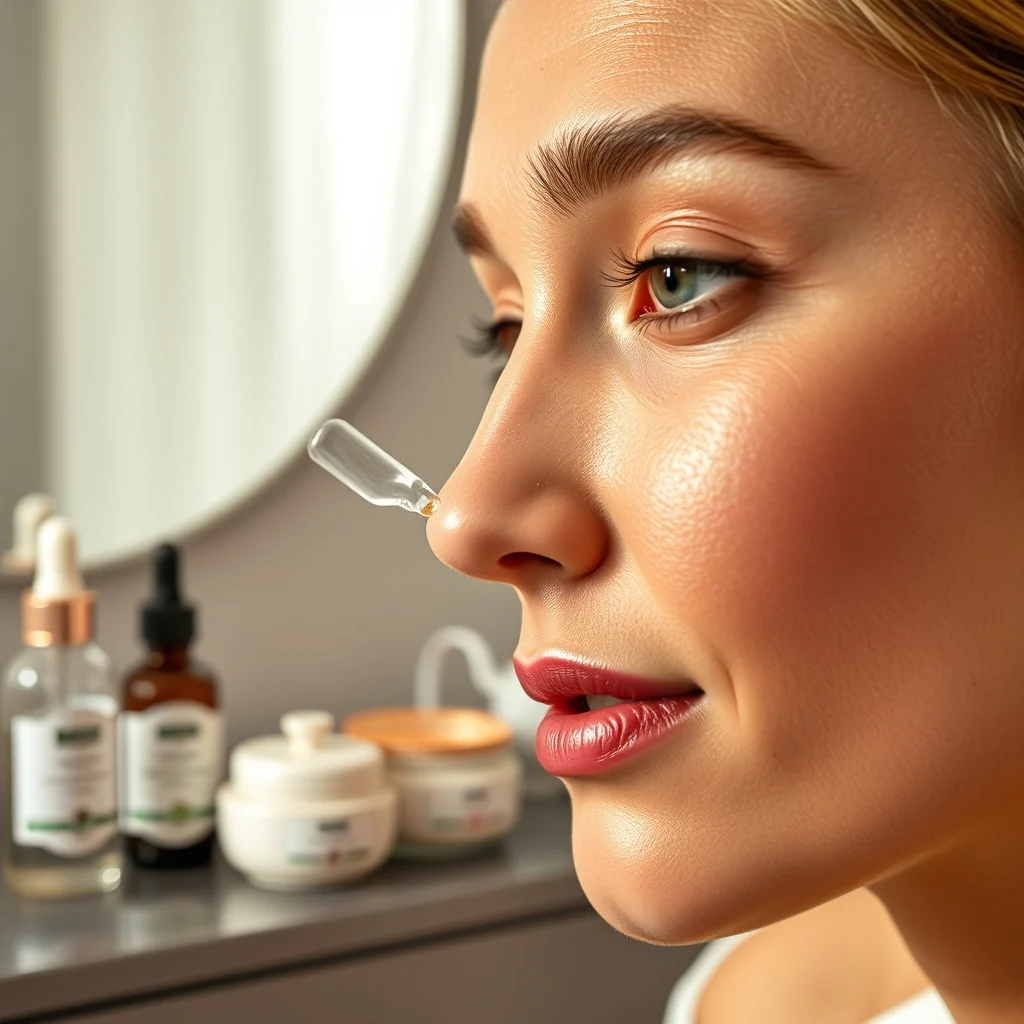
Imagine waking up to skin that doesn’t just look hydrated—it feels like a dewy, lit-from-within masterpiece. The secret? It’s not just about the products you use, but how you layer them. In the world of beauty & skincare, mastering the art of layering can transform your routine from basic to brilliant, unlocking a multi-dimensional glow that turns heads. Whether you’re a skincare novice or a seasoned enthusiast, understanding the science behind product application can elevate your complexion to new heights.
The Science Behind Layering: Why Order Matters
Skincare isn’t just about slathering on your favorite serums and creams—it’s a strategic process. The order in which you apply products directly impacts their efficacy. Think of your skin as a sponge: it absorbs what it can, but if you overload it with thick creams before lightweight serums, you’re essentially blocking active ingredients from penetrating deeply. This is where the thinnest-to-thickest rule comes into play.
Start with water-based solutions like toners or essences, which prep your skin to absorb subsequent layers. Follow with lightweight serums packed with actives like vitamin C or hyaluronic acid, then seal everything in with a moisturizer. Finally, lock it all down with an occlusive like a facial oil or balm. This method ensures each product works at its full potential, maximizing the benefits of your beauty & skincare regimen.
Step 1: Prep with a Clean Canvas
Before you even think about layering, your skin needs to be clean and primed. Double cleansing—first with an oil-based cleanser to dissolve makeup and sunscreen, followed by a water-based cleanser—removes impurities without stripping your skin’s natural barrier. This step is non-negotiable, especially if you’re layering multiple products. Skipping it is like painting on a dirty canvas; no matter how good the paint is, the results won’t shine.
After cleansing, apply a hydrating toner or essence to balance your skin’s pH and enhance absorption. Look for ingredients like glycerin or aloe vera, which soothe and plump the skin, creating the perfect base for the next steps. This is also the ideal time to incorporate a gentle exfoliant (like a PHA or lactic acid toner) if your skin can tolerate it, as it helps slough off dead cells and boosts radiance.
Serums: The Power Players of Your Routine
Serums are the heavy lifters in any beauty & skincare routine, delivering concentrated doses of active ingredients. But not all serums are created equal, and their placement in your layering order is crucial. Water-based serums (like those with vitamin C or niacinamide) should go on first, as they penetrate the skin more easily. Oil-based serums (such as those with retinol or squalane) can follow, as they help reinforce the skin’s lipid barrier.
One common mistake? Applying too many serums at once. While it’s tempting to mix and match, overloading your skin can lead to irritation or pilling. Stick to 2-3 serums per routine, focusing on your primary concerns—whether it’s hyperpigmentation, fine lines, or dehydration. For example, pair a brightening vitamin C serum with a hydrating hyaluronic acid serum for a one-two punch of radiance and plumpness.
Pro Tip: The 30-Second Rule
Here’s a game-changing trick: after applying each serum, wait 30 seconds before moving to the next step. This brief pause allows the product to absorb fully, preventing dilution or interference with the next layer. It might feel like a small step, but it makes a world of difference in how your skin responds to your routine.
Moisturizers and Occlusives: Sealing the Deal
Moisturizers are the unsung heroes of layering, bridging the gap between serums and occlusives. Their job is to hydrate and soften the skin while creating a protective barrier. For daytime, opt for a lightweight, non-greasy formula that won’t interfere with makeup. At night, you can go richer, especially if you’re using actives like retinol that can be drying.
Occlusives are the final step in your layering routine, and they’re essential for locking in moisture. These products—like facial oils, balms, or petrolatum-based creams—create a seal over the skin, preventing transepidermal water loss. If you have dry or sensitive skin, this step is non-negotiable. Even oily skin types can benefit from a lightweight occlusive, like a squalane oil, to maintain balance without clogging pores.
Day vs. Night: Tailoring Your Routine
Your skin’s needs change throughout the day, and your layering routine should adapt accordingly. During the day, focus on protection and prevention. A vitamin C serum can brighten and defend against environmental stressors, while a broad-spectrum sunscreen (applied last!) shields against UV damage. At night, your skin shifts into repair mode, making it the perfect time to incorporate actives like retinol or peptides.
For nighttime layering, consider a “slugging” technique—applying a thin layer of petrolatum-based balm over your moisturizer to supercharge hydration. This K-beauty hack is a game-changer for those with dry or dehydrated skin, but even combination skin types can benefit from a lighter occlusive like jojoba oil.
Common Layering Mistakes to Avoid
Even the most well-intentioned routines can go awry if you’re not careful. One of the biggest mistakes? Applying products too quickly. Rushing through your routine can lead to pilling, where products ball up on the skin instead of absorbing. To avoid this, give each layer time to sink in before moving to the next step.
Another pitfall is mixing incompatible ingredients. For example, layering vitamin C with retinol in the same routine can reduce their effectiveness and increase irritation. Instead, use vitamin C in the morning and retinol at night, or alternate days if your skin is sensitive. Similarly, avoid layering AHAs/BHAs with retinol unless your skin is already acclimated to both.
Listen to Your Skin
No two skin types are the same, and what works for one person might not work for another. Pay attention to how your skin responds to different layering techniques. If you notice redness, irritation, or breakouts, it might be a sign to simplify your routine or switch up your products. Remember, beauty & skincare is personal—what matters most is finding what makes your skin thrive.
Mastering the art of layering isn’t about following a rigid set of rules; it’s about understanding your skin’s unique needs and adapting your routine accordingly. Start with the basics—cleanse, tone, serum, moisturize, protect—and build from there. With a little patience and experimentation, you’ll unlock a glow that’s uniquely yours, proving that the best beauty & skincare routines are as much about science as they are about self-care.
You may also like
-
Clinical Precision in Dermatology: A Multidimensional Analysis of Medical-Grade Solutions for Acne, Eczema, and Sensitive Skin Barriers
-
Targeted Actives for Sensitive Skin: A Multidimensional Analysis of Clinical Efficacy, Ingredient Synergy, and Dermatological Innovation
-
The Science of Skin Barrier Repair: Mechanisms, Therapeutic Innovations, and the Role of Lipid Replenishing Skincare in Modern Dermatology
-
The Evolving Landscape of Medical-Grade Skincare: Clinical Solutions for Acne, Eczema, and Sensitive Skin Barriers in 2024
-
The Gut-Skin-Hormone Axis: A 360-Degree Examination of Internal Triggers in Chronic Skin Conditions