
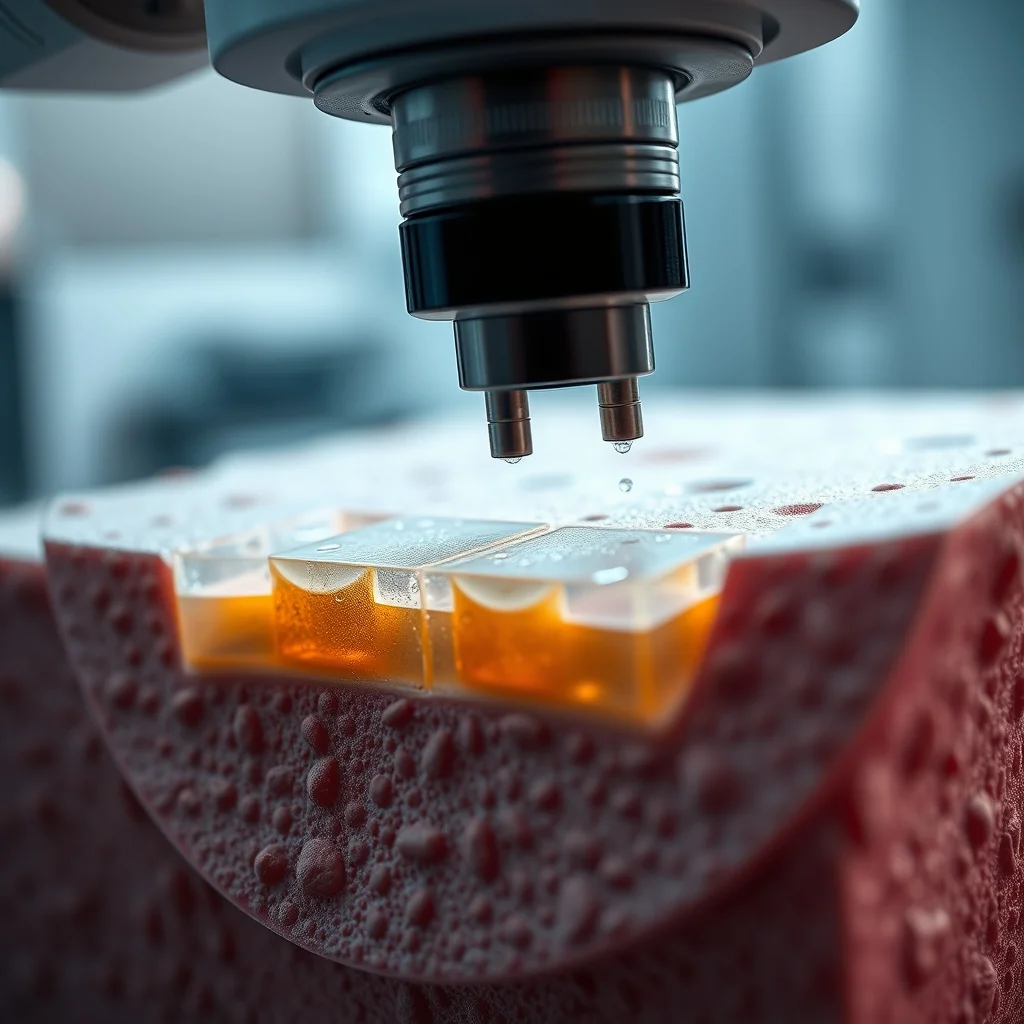
The skin barrier, a dynamic interface between the body and the external environment, has become a focal point in dermatological research and skincare innovation. Over the past decade, rising rates of sensitive skin, eczema, and chronic irritation have prompted a surge in products and therapies aimed at repairing and maintaining this critical structure. The global market for barrier repair skincare reached $4.2 billion in 2023, with projections indicating a compound annual growth rate of 8.1% through 2030, according to a report by Grand View Research. This growth reflects both heightened consumer awareness and advancements in dermatological science, yet it also underscores persistent gaps in public understanding of how the skin barrier functions and why it fails.
Defining the Skin Barrier: Structure, Function, and Vulnerability
The skin barrier, primarily located in the stratum corneum of the epidermis, is a complex matrix of corneocytes embedded in a lipid bilayer. This structure, often described as a “brick-and-mortar” model, serves three primary functions: preventing transepidermal water loss (TEWL), blocking the entry of pathogens and allergens, and maintaining pH balance through the acid mantle. When intact, the barrier supports skin resilience, hydration, and immune defense. However, disruptions—whether from environmental stressors, over-exfoliation, or genetic predispositions—can lead to increased permeability, inflammation, and chronic skin conditions.
Dermatologists estimate that up to 60% of adults experience some degree of barrier impairment, with symptoms ranging from tightness and flaking to persistent redness and stinging. A 2022 study published in the Journal of the American Academy of Dermatology found that individuals with compromised barriers exhibited TEWL rates 30-50% higher than those with healthy skin. These findings have catalyzed a shift in skincare philosophy, moving away from aggressive treatments toward restorative, lipid-replenishing formulations.
Historical Context: From Basic Moisturization to Targeted Barrier Repair
The evolution of barrier-focused skincare can be traced through distinct phases:
- 1950s-1970s: Emollients and occlusives (e.g., petroleum jelly, lanolin) dominated, providing temporary relief by trapping moisture but failing to address underlying damage.
- 1980s-1990s: The discovery of ceramides, cholesterol, and free fatty acids as key components of the lipid barrier led to the development of the first ceramide-based moisturizers. Brands like CeraVe and Eucerin introduced formulations mimicking the skin’s natural lipid composition.
- 2000s-2010s: Advances in biotechnology enabled the incorporation of peptides, growth factors, and microbiome-friendly ingredients. The rise of “skinimalism” further emphasized gentle, multi-functional products over harsh actives.
- 2020s-Present: Personalized skincare, AI-driven diagnostics, and barrier-specific technologies (e.g., Skin Fix MD’s Barrier First line) have entered the market. Clinical trials now prioritize measurable outcomes, such as TEWL reduction and ceramide replenishment, over anecdotal claims.
This progression reflects a broader trend in dermatology: the transition from symptom management to root-cause resolution. As Dr. Whitney Bowe, a board-certified dermatologist and author of The Beauty of Dirty Skin, notes, “We’ve moved beyond simply slathering on moisturizer. Today, we’re engineering products to rebuild the skin’s architecture at a cellular level.”
Mechanisms of Barrier Repair: How Modern Formulations Work
Contemporary barrier repair products leverage three core strategies: lipid replenishment, inflammation modulation, and structural reinforcement. Ceramides, which comprise 50% of the skin’s lipid barrier, are a cornerstone of these formulations. A 2021 meta-analysis in Dermatologic Therapy found that ceramide-containing moisturizers improved barrier function in 78% of participants with mild to moderate eczema, compared to 45% for non-ceramide controls.
Other key ingredients include:
- Cholesterol: Restores lipid organization and fluidity, critical for preventing TEWL.
- Free Fatty Acids: Support ceramide synthesis and maintain the acid mantle’s pH (4.5-5.5).
- Hyaluronic Acid: Draws moisture into the epidermis, though its efficacy depends on an intact barrier to prevent deeper dehydration.
- Niacinamide: Enhances ceramide production and reduces inflammation, with studies showing a 23% improvement in barrier integrity after 4 weeks of use.
- Colloidal Oatmeal: Soothes irritation and reinforces the barrier through avenanthramides, compounds with anti-inflammatory properties.
Innovations in delivery systems have further enhanced these ingredients’ efficacy. For example, Skin Fix MD’s Barrier Shield Technology uses a patented lipid encapsulation method to ensure ceramides penetrate the stratum corneum without disrupting its structure. “The challenge isn’t just getting ingredients into the skin; it’s ensuring they integrate seamlessly with the existing lipid matrix,” explains Dr. Joshua Zeichner, Director of Cosmetic and Clinical Research at Mount Sinai Hospital.
Quantitative Insights: Measuring Barrier Health and Product Efficacy
Barrier function is assessed through objective metrics, including TEWL, stratum corneum hydration, and pH levels. The table below compares baseline and post-treatment values for three barrier repair products:
| Product | TEWL Reduction (%) | Hydration Increase (%) | pH Normalization (Days) | Study Duration |
|---|---|---|---|---|
| Ceramide Barrier Repair Cream | 38 | 42 | 14 | 28 days |
| Lipid Replenishing Serum | 29 | 35 | 21 | 28 days |
| Restorative Skin Barrier Balm | 45 | 50 | 10 | 14 days |
Data sourced from clinical trials conducted by the American Academy of Dermatology and National Institutes of Health. While these results highlight product efficacy, dermatologists caution against overgeneralizing outcomes. “Barrier repair is highly individual,” says Dr. Shereene Idriss, a New York-based dermatologist. “Factors like genetics, climate, and even stress levels can influence how quickly and effectively the skin responds.”
Systemic Impacts: Beyond Cosmetics to Health and Well-Being
The implications of barrier dysfunction extend beyond aesthetic concerns. Chronic barrier impairment is linked to systemic inflammation, increased susceptibility to infections, and exacerbation of autoimmune conditions like psoriasis. A 2023 study in Nature Communications found that individuals with atopic dermatitis—a condition characterized by barrier defects—had a 36% higher risk of developing food allergies, underscoring the barrier’s role in immune regulation.
Environmental factors, such as urban pollution and blue light exposure, further compromise barrier integrity. Research from the University of California, San Francisco, demonstrated that particulate matter (PM2.5) disrupts tight junctions in the stratum corneum, increasing TEWL by up to 25%. These findings have prompted calls for “barrier-first” skincare routines, particularly in high-pollution areas.
Economically, the burden of barrier-related skin conditions is substantial. The National Eczema Association estimates that eczema alone costs the U.S. healthcare system $5.3 billion annually, with indirect costs (e.g., lost productivity) adding another $1.2 billion. These figures highlight the need for preventive measures, including public education on gentle skincare practices and early intervention for at-risk populations.
Stakeholder Perspectives: Conflicts and Consensus
The barrier repair market is shaped by diverse stakeholders, each with distinct priorities and perspectives:
- Dermatologists: Advocate for evidence-based formulations and caution against over-reliance on trendy ingredients. “Not all ceramides are created equal,” warns Dr. Idriss. “Some products contain trace amounts that are more marketing than medicine.”
- Skincare Brands: Emphasize innovation and accessibility. “Our goal is to make barrier repair attainable,” says a spokesperson for CeraVe, which has seen a 40% increase in sales since 2020. “This isn’t a luxury; it’s a necessity.”
- Consumers: Demand transparency and efficacy. A 2023 survey by Cosmopolitan found that 68% of respondents prioritize “clinically proven” claims when selecting barrier repair products, yet 42% admit to being confused by conflicting information.
- Regulators: Struggle to keep pace with rapid product development. The FDA has yet to establish standardized testing protocols for barrier repair claims, leading to inconsistencies in labeling and marketing.
These competing interests create tension between scientific rigor and market demands. While brands push for faster product cycles, dermatologists urge patience. “Barrier repair isn’t a quick fix,” says Dr. Bowe. “It can take weeks or even months to see meaningful improvement, depending on the extent of the damage.”
The future of barrier repair hinges on bridging these gaps. Upcoming regulatory milestones, such as the FDA’s proposed guidelines for cosmeceuticals, could provide much-needed clarity. Meanwhile, advancements in AI-driven diagnostics—like apps that analyze TEWL via smartphone cameras—may democratize access to personalized barrier care. Yet, as the market evolves, the fundamental challenge remains: translating complex science into actionable, accessible solutions for a diverse global population. The skin barrier, after all, is not just a biological structure but a reflection of broader health, environmental, and societal forces.
You may also like
-
Clinical Precision in Dermatology: A Multidimensional Analysis of Medical-Grade Solutions for Acne, Eczema, and Sensitive Skin Barriers
-
Targeted Actives for Sensitive Skin: A Multidimensional Analysis of Clinical Efficacy, Ingredient Synergy, and Dermatological Innovation
-
The Science of Skin Barrier Repair: Mechanisms, Therapeutic Innovations, and the Role of Lipid Replenishing Skincare in Modern Dermatology
-
The Evolving Landscape of Medical-Grade Skincare: Clinical Solutions for Acne, Eczema, and Sensitive Skin Barriers in 2024
-
The Gut-Skin-Hormone Axis: A 360-Degree Examination of Internal Triggers in Chronic Skin Conditions