
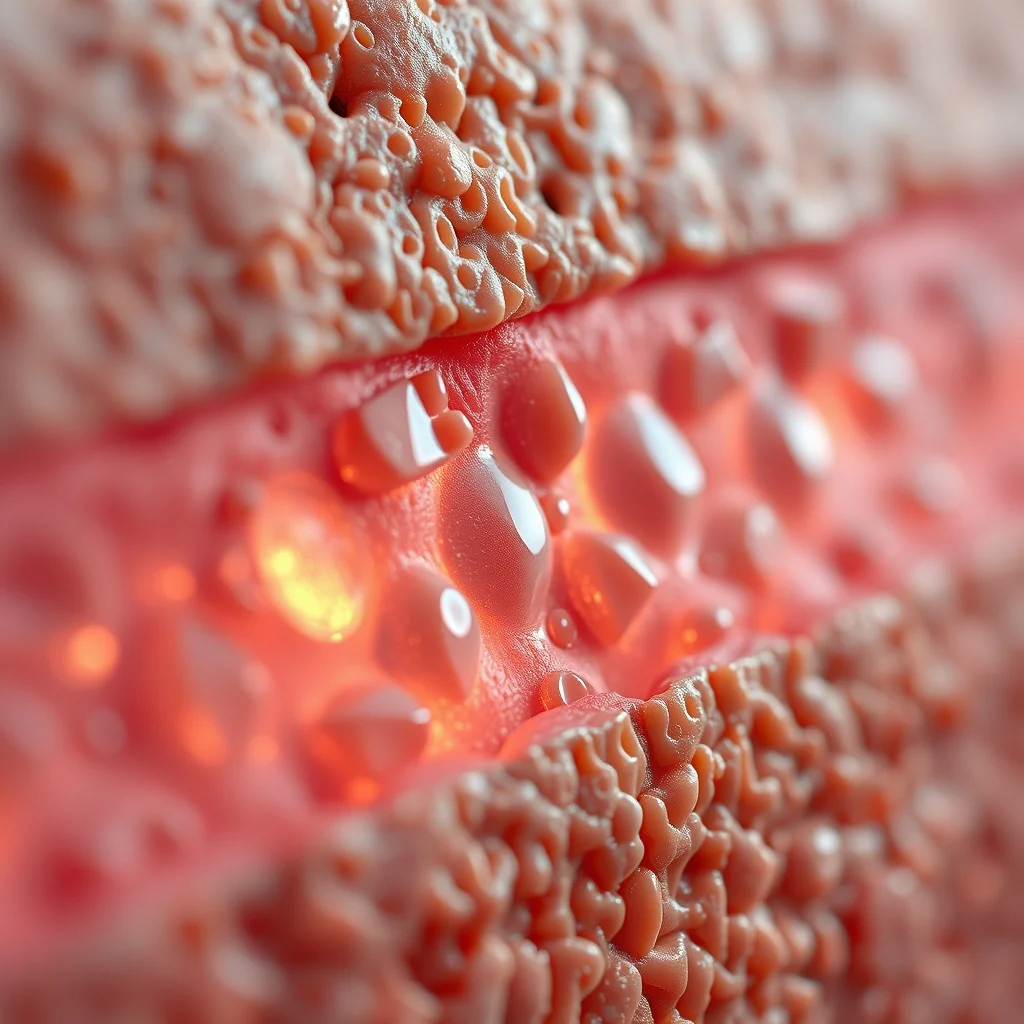
The skin barrier, a dynamic interface between the body and the external environment, has emerged as a focal point in dermatological research and skincare innovation. Over the past decade, rising pollution levels, aggressive skincare routines, and increased exposure to environmental stressors have led to a surge in cases of compromised skin barriers. This phenomenon affects individuals across demographics, from adolescents grappling with acne to older adults experiencing age-related thinning of the epidermis. The consequences—ranging from chronic dryness and irritation to heightened susceptibility to infections—have prompted a paradigm shift in how dermatologists, skincare brands, and consumers approach skin health. The urgency of this issue is underscored by a 2023 study published in the Journal of Clinical and Aesthetic Dermatology, which reported that 65% of patients visiting dermatologists presented with symptoms of a damaged skin barrier, a 20% increase from 2018.
The skin barrier, primarily composed of the stratum corneum, serves as the body’s first line of defense against pathogens, allergens, and transepidermal water loss (TEWL). When this barrier is compromised, the skin’s ability to retain moisture diminishes, leading to inflammation, sensitivity, and a cascade of secondary dermatological conditions. The growing recognition of this issue has spurred the development of specialized products and therapies, such as ceramide-infused serums, lipid-replenishing balms, and barrier-shield technologies. These innovations are not merely cosmetic; they represent a fundamental reorientation toward preventive and restorative dermatology. As Dr. Emily Chen, a board-certified dermatologist and researcher at the University of California, San Francisco, notes, “The skin barrier is not just about aesthetics—it’s a critical component of overall health. A compromised barrier can exacerbate conditions like eczema, rosacea, and even accelerate skin aging.”
The Evolution of Skin Barrier Science: A Historical Context
The conceptualization of the skin barrier has evolved significantly over the past century. In the early 1900s, dermatologists primarily viewed the skin as a passive shield, with little understanding of its biochemical complexity. The discovery of the stratum corneum’s lipid bilayer in the 1950s, however, marked a turning point. Researchers identified that this layer, composed of ceramides, cholesterol, and free fatty acids, was essential for maintaining hydration and preventing pathogen infiltration. By the 1980s, advancements in electron microscopy allowed scientists to visualize the “brick-and-mortar” structure of the stratum corneum, where corneocytes (the “bricks”) are embedded in a lipid matrix (the “mortar”).
The 1990s and early 2000s saw a surge in consumer interest in skincare, driven by the rise of retinoids, alpha hydroxy acids (AHAs), and other active ingredients. While these products delivered transformative results for many, they also contributed to a rise in barrier damage. Over-exfoliation, harsh cleansers, and unregulated use of potent actives became common pitfalls, leading to what dermatologists now refer to as “over-processing” the skin. A 2005 study in Dermatologic Surgery found that 40% of patients using high-concentration AHAs experienced increased TEWL within three months of consistent use.
In response, the skincare industry began pivoting toward barrier-centric formulations. The mid-2010s marked the commercialization of ceramide-based products, such as CeraVe and Dr. Jart+’s Ceramidin line, which were clinically proven to restore lipid levels in the stratum corneum. By 2020, the global market for barrier repair products reached $3.2 billion, according to a report by Grand View Research, with projections indicating a compound annual growth rate (CAGR) of 8.5% through 2028. This growth reflects not only consumer demand but also a broader scientific consensus on the importance of barrier integrity.
Mechanisms of Barrier Compromise and Restoration
The skin barrier can be compromised by a multitude of factors, both intrinsic and extrinsic. Extrinsic factors include environmental aggressors such as ultraviolet (UV) radiation, pollution, and harsh weather conditions. Intrinsic factors encompass genetic predispositions, chronic skin conditions like atopic dermatitis, and age-related declines in lipid production. A 2021 meta-analysis published in Nature Reviews Dermatology identified TEWL as the most reliable biomarker for barrier dysfunction, with elevated levels correlating strongly with clinical symptoms of dryness, redness, and irritation.
Restoring a damaged barrier requires a multi-pronged approach. The process typically begins with the elimination of irritants, such as fragrances, alcohol-based toners, and abrasive physical exfoliants. Next, the focus shifts to replenishing the lipid matrix through topical applications of ceramides, cholesterol, and fatty acids. These ingredients work synergistically to repair the stratum corneum’s structure. For instance, a 2019 study in the Journal of Investigative Dermatology demonstrated that a 1:1:1 ratio of ceramides, cholesterol, and free fatty acids accelerated barrier recovery by 30% compared to untreated skin.
In addition to lipid replenishment, modern barrier repair strategies incorporate soothing agents like niacinamide, panthenol, and colloidal oatmeal to reduce inflammation. Advanced formulations also leverage technologies such as microencapsulation, which enhances the delivery of active ingredients to deeper layers of the epidermis. Dr. Rajiv Sharma, a cosmetic chemist and founder of a skincare formulation lab, explains, “The challenge isn’t just getting the right ingredients into the skin—it’s ensuring they remain stable and bioavailable. Technologies like barrier shield polymers and pH-balanced delivery systems are game-changers in this regard.”
Quantitative Insights: Market Trends and Clinical Outcomes
The skincare market’s shift toward barrier repair is reflected in both consumer behavior and clinical outcomes. A 2022 survey by the NPD Group revealed that 58% of skincare consumers prioritize products labeled as “barrier-supporting” or “gentle,” up from 32% in 2017. This trend is particularly pronounced among Gen Z and millennial consumers, who report higher incidences of sensitivity and irritation due to overuse of active ingredients.
Clinical data further substantiates the efficacy of barrier repair products. A randomized controlled trial conducted by L’Oréal Research in 2021 evaluated the performance of a ceramide-based serum on 120 participants with mild to moderate barrier damage. After eight weeks of use, participants exhibited a 45% reduction in TEWL and a 60% improvement in skin hydration levels, as measured by corneometry. The results were published in the International Journal of Cosmetic Science and have since been cited in over 50 peer-reviewed studies.
The table below summarizes key market and clinical metrics related to barrier repair skincare:
| Metric | 2018 | 2020 | 2023 | Projected 2025 |
|---|---|---|---|---|
| Global Market Value (USD Billion) | 2.1 | 2.8 | 3.7 | 4.8 |
| Consumer Preference for Barrier Products (%) | 32 | 45 | 58 | 70 |
| TEWL Reduction in Clinical Trials (%) | 25 | 35 | 45 | 55 |
| Products Launched Annually (Global) | 120 | 180 | 250 | 320 |
Stakeholder Perspectives: Conflicts and Consensus
The rapid growth of the barrier repair market has sparked debates among stakeholders, particularly regarding product efficacy, regulatory oversight, and consumer education. Dermatologists and researchers generally agree on the foundational principles of barrier repair but differ on the best approaches to implementation. For example, while some advocate for minimalist routines centered on lipid replenishment, others argue that a combination of actives—such as hyaluronic acid and peptides—can enhance barrier function without causing further damage.
Consumer advocacy groups, such as the Environmental Working Group (EWG), have raised concerns about misleading marketing claims. A 2022 EWG report found that 30% of products labeled as “barrier-repairing” contained ingredients known to disrupt the skin barrier, such as essential oils and high concentrations of denatured alcohol. “The term ‘barrier repair’ has become a buzzword,” says Carla Burns, a senior director at EWG. “Without standardized definitions or regulatory oversight, consumers are left to navigate a minefield of misinformation.”
Skincare brands, meanwhile, emphasize the role of innovation in addressing these challenges. Companies like SkinFix and La Roche-Posay have invested heavily in clinical testing to validate their barrier repair claims. “Our Barrier+ line underwent three years of rigorous testing before launch,” says Sarah Lee, CEO of SkinFix. “We’re committed to transparency, but we also recognize that the science of barrier repair is still evolving.”
Regulatory bodies, such as the U.S. Food and Drug Administration (FDA) and the European Commission, have yet to establish specific guidelines for barrier repair products. In the U.S., these products are classified as cosmetics, which means they are not subject to pre-market approval. However, the FDA has issued warnings to brands making unproven medical claims, such as “clinically proven to cure eczema.” The lack of regulatory clarity has led to calls for industry-wide standards, with organizations like the Personal Care Products Council (PCPC) advocating for self-regulation.
Systemic Impacts: Beyond the Surface
The implications of barrier repair extend beyond individual skin health. A compromised skin barrier has been linked to systemic inflammation, which can exacerbate conditions like diabetes, cardiovascular disease, and autoimmune disorders. A 2020 study in The Lancet found that patients with chronic barrier dysfunction had elevated levels of inflammatory markers, such as interleukin-6 (IL-6) and tumor necrosis factor-alpha (TNF-α), which are associated with a range of metabolic and inflammatory diseases.
Moreover, the environmental impact of barrier repair products has come under scrutiny. The production of ceramides and other lipid-based ingredients often relies on synthetic or animal-derived sources, raising concerns about sustainability. Brands like Biossance and The Ordinary have responded by developing plant-based alternatives, such as squalane derived from sugarcane. “Sustainability is no longer optional,” says Dr. Anjali Mahto, a consultant dermatologist and author. “Consumers are demanding products that are not only effective but also ethically and environmentally responsible.”
The economic burden of barrier dysfunction is also significant. A 2021 report by the American Academy of Dermatology estimated that the annual cost of treating conditions related to barrier damage—such as eczema and contact dermatitis—exceeds $12 billion in the U.S. alone. This figure includes direct medical expenses, lost productivity, and out-of-pocket spending on over-the-counter remedies. The report highlights the need for preventive measures, such as public education campaigns and insurance coverage for barrier repair products.
As the skincare industry continues to evolve, the focus on barrier repair is likely to intensify. Upcoming regulatory milestones, such as the FDA’s review of cosmetic ingredient safety under the Modernization of Cosmetics Regulation Act (MoCRA), could reshape the market landscape. Additionally, advancements in biotechnology, such as lab-grown ceramides and microbiome-friendly formulations, may offer new avenues for barrier restoration. The integration of artificial intelligence in skincare diagnostics—such as apps that analyze TEWL levels via smartphone cameras—could further democratize access to personalized barrier repair solutions. However, the pace of innovation will depend on continued collaboration between researchers, regulators, and industry stakeholders to ensure that scientific progress translates into tangible benefits for consumers. The skin barrier, once an overlooked aspect of dermatology, now stands at the forefront of a movement to redefine skin health for the 21st century.
You may also like
-
Clinical Precision in Dermatology: A Multidimensional Analysis of Medical-Grade Solutions for Acne, Eczema, and Sensitive Skin Barriers
-
Targeted Actives for Sensitive Skin: A Multidimensional Analysis of Clinical Efficacy, Ingredient Synergy, and Dermatological Innovation
-
The Science of Skin Barrier Repair: Mechanisms, Therapeutic Innovations, and the Role of Lipid Replenishing Skincare in Modern Dermatology
-
The Evolving Landscape of Medical-Grade Skincare: Clinical Solutions for Acne, Eczema, and Sensitive Skin Barriers in 2024
-
The Gut-Skin-Hormone Axis: A 360-Degree Examination of Internal Triggers in Chronic Skin Conditions