
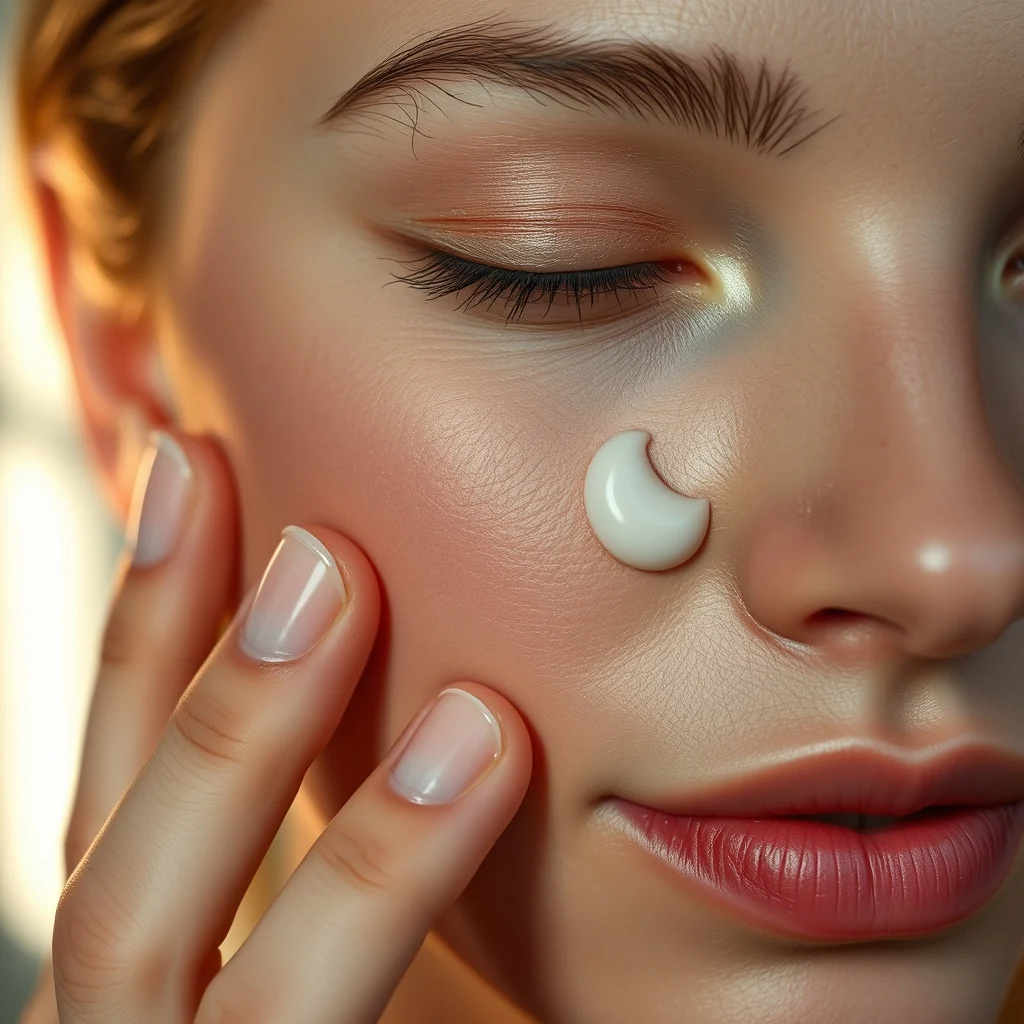
Living with eczema and sensitive skin can feel like a daily battle against irritation, redness, and discomfort. The wrong product or habit can trigger flare-ups, leaving your skin feeling raw and unhappy. But what if the key to calmer skin isn’t about adding more steps—it’s about simplifying and strengthening your skin’s natural defenses? A barrier-first approach focuses on repairing and protecting the outermost layer of your skin, which is often the root cause of sensitivity and eczema. With the right routine, you can reduce irritation, lock in moisture, and finally give your skin the relief it craves.
Understand Your Skin’s Barrier
The skin barrier is like a protective wall made of lipids, proteins, and cells that keeps moisture in and irritants out. When this barrier is compromised—whether from genetics, harsh products, or environmental factors—your skin becomes more prone to dryness, itching, and inflammation. Eczema and sensitive skin often go hand-in-hand with a weakened barrier, which is why repairing it should be your top priority.
Think of your skin barrier as a brick wall. The bricks are your skin cells, and the mortar is the lipids (like ceramides and fatty acids) that hold everything together. When the mortar is missing or damaged, gaps form, allowing moisture to escape and irritants to sneak in. Strengthening this barrier starts with gentle, hydrating ingredients that help restore what’s been lost.
Simplify Your Routine with Skinimalism
Less is often more when it comes to eczema and sensitive skin care. Overloading your skin with too many products can overwhelm it, leading to more irritation. Skinimalism—minimalist skincare—is about stripping back your routine to the essentials: cleanse, hydrate, protect. Start by eliminating products with fragrances, alcohol, and harsh sulfates, which can strip your skin of its natural oils and exacerbate sensitivity.
A simple routine might include a gentle, pH-balanced cleanser, a fragrance-free moisturizer rich in ceramides, and a mineral sunscreen during the day. At night, you can add a lightweight, barrier-repairing serum if needed. The goal is to give your skin what it needs without overcomplicating the process. Remember, consistency is key—stick with your routine for at least a few weeks to see how your skin responds.
Choose the Right Ingredients for Barrier Repair
Not all skincare ingredients are created equal, especially when it comes to sensitive and eczema-prone skin. Look for products with ingredients that support barrier repair and hydration, such as ceramides, hyaluronic acid, and cholesterol. Ceramides help restore the skin’s lipid barrier, while hyaluronic acid attracts and retains moisture. Cholesterol works alongside ceramides to strengthen the skin’s structure and improve its ability to hold onto hydration.
Avoid ingredients that can be irritating, like retinoids, alpha hydroxy acids (AHAs), and beta hydroxy acids (BHAs) in high concentrations. These can be too harsh for compromised skin and may worsen sensitivity. Instead, opt for soothing ingredients like colloidal oatmeal, aloe vera, and niacinamide, which calm inflammation and reduce redness. If you’re unsure about an ingredient, patch-test it first to see how your skin reacts.
Moisturize Strategically to Lock in Hydration
Moisturizing is non-negotiable for eczema and sensitive skin care, but how and when you apply your moisturizer matters. The best time to moisturize is right after showering or washing your face, when your skin is still damp. This helps lock in moisture and prevents your skin from drying out. Choose a moisturizer with a thick, creamy texture—think balms or ointments rather than lightweight lotions, which may not provide enough protection for very dry or sensitive skin.
For daytime, a lighter moisturizer with SPF can double as sun protection, which is crucial since sun exposure can worsen eczema and sensitivity. At night, opt for a richer formula to give your skin extra nourishment while you sleep. If your skin feels particularly dry or irritated, consider using a hydrating mist or facial spray throughout the day to refresh and replenish moisture.
Protect Your Skin from Environmental Triggers
Your skin’s barrier doesn’t just need internal support—it also needs protection from external aggressors. Environmental factors like cold weather, wind, and pollution can weaken your skin’s defenses and trigger flare-ups. To shield your skin, wear protective clothing like scarves and gloves in cold or windy conditions. If you live in a polluted area, consider using an antioxidant-rich serum to neutralize free radicals that can damage your skin.
Indoor environments can also affect your skin. Dry air from heating or air conditioning can sap moisture from your skin, so use a humidifier to add moisture back into the air. Avoid hot showers and baths, which can strip your skin of its natural oils, and opt for lukewarm water instead. Even small changes, like using fragrance-free laundry detergent, can make a big difference in reducing irritation.
Listen to Your Skin and Adjust as Needed
No two people with eczema or sensitive skin are exactly alike, so it’s important to pay attention to how your skin responds to different products and habits. Keep a simple journal to track what works and what doesn’t—note any changes in your skin’s texture, redness, or itchiness after trying a new product or routine. If something isn’t working, don’t be afraid to switch it up. Your skin’s needs can change with the seasons, stress levels, or even your diet, so flexibility is key.
If your skin is particularly stubborn or flare-ups are severe, it may be time to consult a dermatologist. They can help identify specific triggers and recommend treatments tailored to your skin’s needs. In the meantime, focus on gentle, barrier-supporting care to keep your skin as calm and comfortable as possible.
Your skin doesn’t have to be a source of frustration. By adopting a barrier-first approach and simplifying your routine, you can give your skin the care it needs to heal and thrive. Start small, be consistent, and remember that progress takes time. With patience and the right strategy, you’ll be well on your way to soothed, resilient skin that feels as good as it looks.
You may also like
-
Eczema & Sensitive Skin Care: Common Mistakes to Avoid for Healthier Skin
-
Eczema & Sensitive Skin Care: A Step-by-Step Guide for Soothed Skin
-
Eczema & Sensitive Skin Care: A Barrier-First Approach for Lasting Comfort
-
Eczema & Sensitive Skin Care: A Barrier-First, Skinimalism Approach
-
Eczema & Sensitive Skin Care: Quick Tips for Busy People