
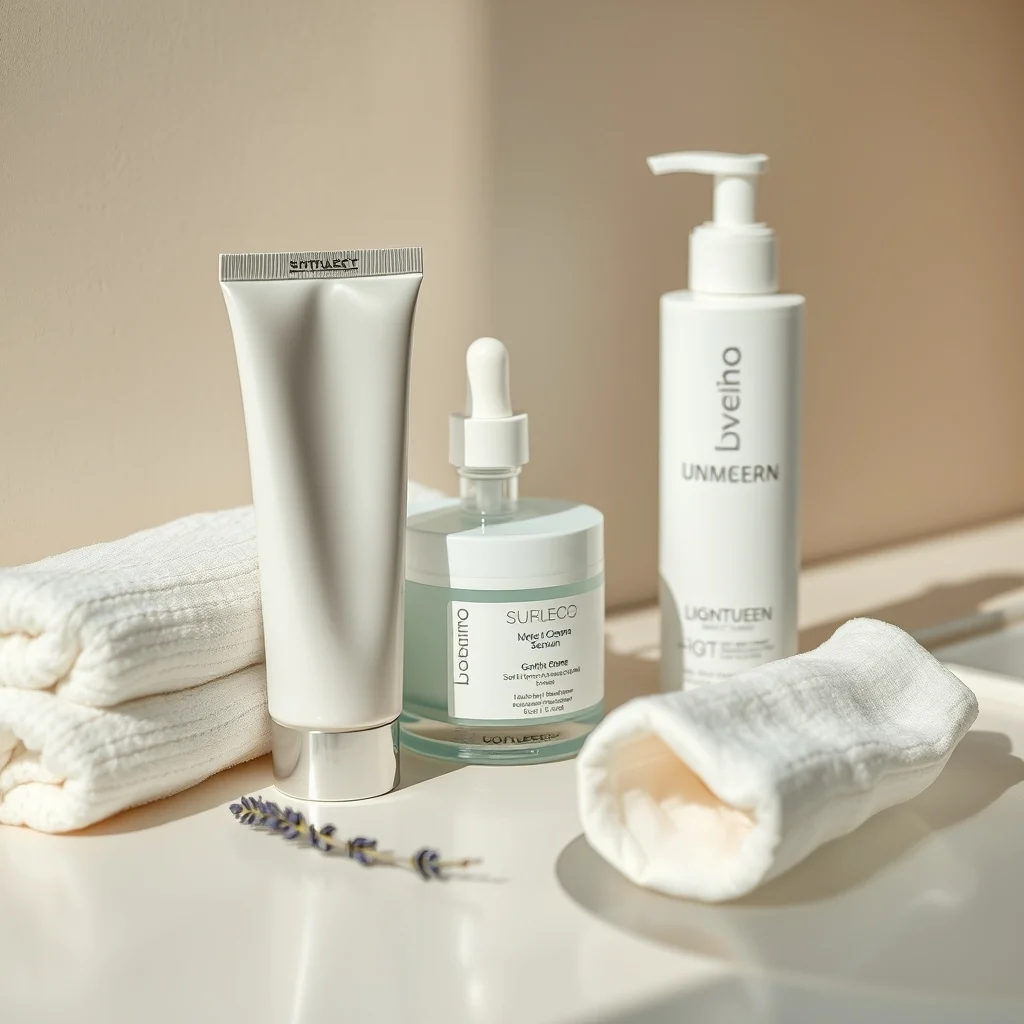
Struggling with redness, breakouts, or irritation can feel overwhelming, especially when you’re not sure where to start. The right problem-skin product recommendations can make all the difference, but with so many options, it’s easy to feel lost. The key is to simplify your routine and focus on products that support your skin’s natural barrier without causing further stress. Whether you’re dealing with occasional flare-ups or persistent sensitivity, this step-by-step guide will help you build a routine that works.
Start with a Gentle Cleanser
A good skincare routine begins with a clean slate, but harsh cleansers can strip your skin of its natural oils, leading to more irritation. Opt for a fragrance-free, sulfate-free cleanser that removes impurities without disrupting your skin’s moisture balance. Look for ingredients like ceramides or hyaluronic acid, which help maintain hydration while cleansing.
If your skin feels tight or dry after washing, you may be using a cleanser that’s too strong. Switch to a cream-based or micellar formula for a gentler approach. Remember, the goal is to cleanse without compromising your skin’s protective barrier.
Hydrate with a Lightweight Moisturizer
Moisturizing is non-negotiable, even if your skin tends to be oily or prone to breakouts. Skipping this step can lead to dehydration, which often triggers excess oil production and worsens irritation. Choose a lightweight, non-comedogenic moisturizer that absorbs quickly and doesn’t leave a greasy residue.
For problem-prone skin, ingredients like niacinamide or glycerin can help soothe and strengthen the skin barrier. If your skin is particularly sensitive, avoid products with heavy fragrances or alcohol, as these can cause stinging or redness. A simple, hydrating formula is often the best choice.
Incorporate a Soothing Serum
Serums are concentrated treatments that target specific concerns, such as redness, inflammation, or uneven texture. For problem skin, a serum with calming ingredients like centella asiatica or panthenol can help reduce irritation and promote healing. These ingredients are known for their anti-inflammatory properties and are gentle enough for daily use.
When introducing a serum, start with a small amount and apply it after cleansing but before moisturizing. This allows the active ingredients to penetrate deeply without overwhelming your skin. If you’re new to serums, opt for a single-ingredient formula to minimize the risk of irritation.
Protect with a Mineral Sunscreen
Sun protection is essential for all skin types, but it’s especially important for problem skin. UV rays can worsen redness, hyperpigmentation, and sensitivity, making sunscreen a must-have in your routine. Mineral sunscreens, which contain zinc oxide or titanium dioxide, are less likely to irritate sensitive skin compared to chemical sunscreens.
Look for a broad-spectrum SPF 30 or higher that’s labeled as non-comedogenic and fragrance-free. If you’re concerned about a white cast, opt for a tinted formula or one that blends seamlessly into the skin. Applying sunscreen as the last step in your morning routine ensures your skin stays protected throughout the day.
Simplify Your Routine with Multi-Tasking Products
When dealing with problem skin, less is often more. Overloading your skin with too many products can lead to irritation and breakouts. Instead, focus on multi-tasking products that address multiple concerns at once. For example, a moisturizer with SPF can streamline your morning routine, while a hydrating serum can double as a lightweight night treatment.
Pay attention to how your skin reacts to each product. If you notice increased redness or breakouts, scale back and reintroduce products one at a time. This approach helps you identify what works best for your skin without overwhelming it.
Listen to Your Skin’s Needs
Problem skin isn’t static—it changes with the seasons, stress levels, and even your diet. What works for you today might not work tomorrow, so it’s important to stay flexible and adjust your routine as needed. If your skin feels dry, add a hydrating mask or a richer moisturizer. If it’s oily or congested, switch to a lighter formula or incorporate a gentle exfoliant.
Above all, be patient. Healing problem skin takes time, and rushing the process can lead to setbacks. Stick to a consistent routine, and don’t be afraid to experiment with different products until you find what works best for you. For more information on safe skincare practices, visit the American Academy of Dermatology.
Building a skincare routine for problem skin doesn’t have to be complicated. By focusing on gentle, hydrating, and protective products, you can create a routine that supports your skin’s health without causing further irritation. Start with the basics, listen to your skin, and adjust as needed. With time and consistency, you’ll see the results you’ve been looking for.
You may also like
-
Problem-Skin Product Recommendations: A Budget-Friendly Routine for Clearer Skin
-
Problem-Skin Product Recommendations: A Barrier-First Approach for Lasting Comfort & Repair
-
Problem-Skin Product Recommendations: A Beginner’s Guide to Calming & Repairing Your Skin
-
Problem-Skin Product Recommendations: A Step-by-Step Guide for Busy People
-
Problem-Skin Product Recommendations: A Barrier-First, Skinimalism Approach