
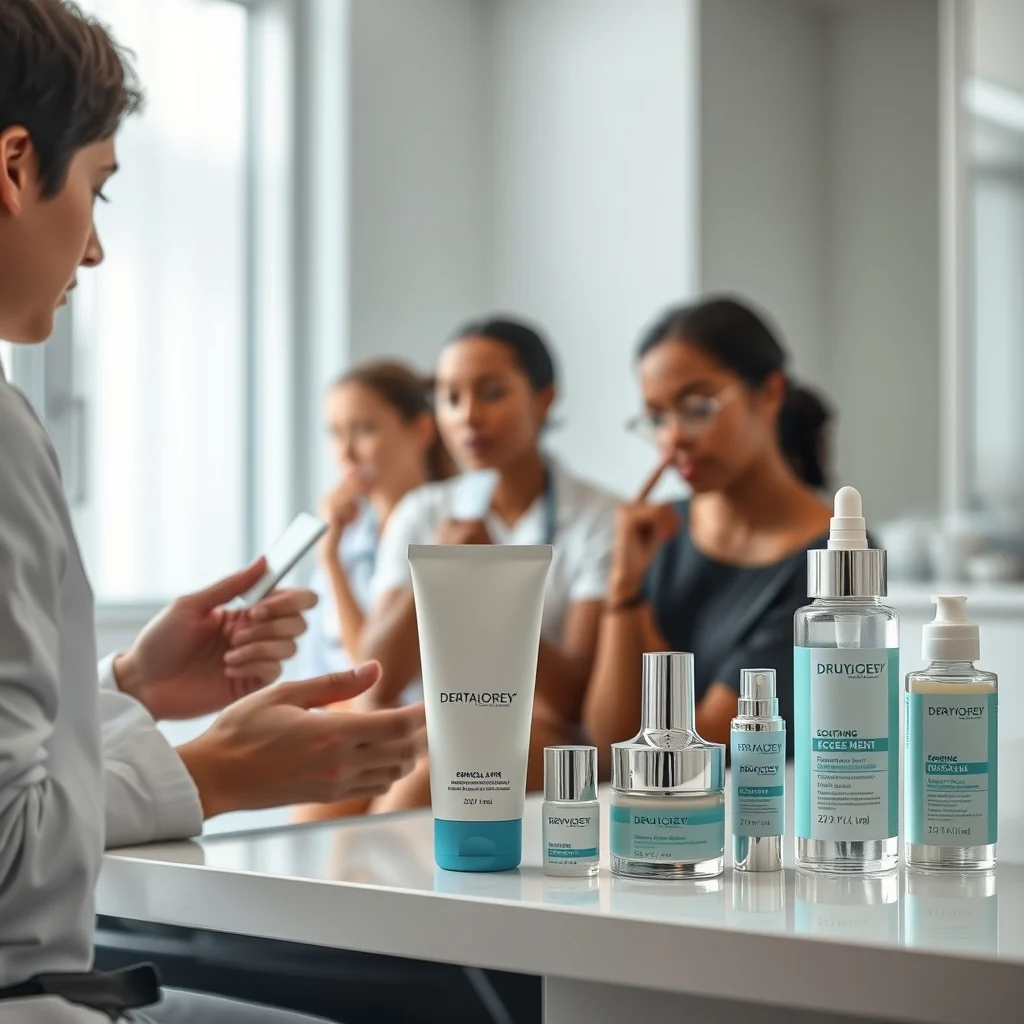
Skin conditions like acne, eczema, and rosacea affect millions globally, disrupting daily life and eroding confidence. For those seeking a medical acne solution or relief from chronic eczema, the landscape of clinical treatments has expanded dramatically in the past decade. Dermatologists now prescribe targeted therapies that address root causes—barrier dysfunction, inflammation, and microbial imbalances—rather than masking symptoms. This shift reflects broader trends in dermatology, where evidence-based formulations and precision medicine are replacing one-size-fits-all approaches.
In 2024, the global market for medical-grade skincare reached $18.2 billion, with a compound annual growth rate (CAGR) of 7.8% projected through 2030, according to Grand View Research. The surge is driven by rising diagnoses of inflammatory skin disorders, increased consumer awareness of dermatologist-tested products, and the accessibility of telemedicine consultations. Yet, despite these advancements, misinformation persists, particularly around over-the-counter (OTC) remedies versus clinical acne treatment options. Patients often grapple with trial-and-error regimens, delaying effective intervention.
Defining the Scope: Who, What, and Why
Problem skin encompasses a spectrum of conditions, from mild comedonal acne to severe nodular cysts and chronic eczema. The primary stakeholders include:
- Patients: Approximately 50 million Americans experience acne annually, while 31.6 million live with eczema, per the American Academy of Dermatology (AAD). Rosacea affects an estimated 16 million in the U.S. alone.
- Dermatologists: Board-certified specialists who diagnose and prescribe medical-grade therapies, including retinoids, biologics, and dermatologist-tested acne creams.
- Pharmaceutical and Cosmeceutical Industries: Companies like Galderma, La Roche-Posay, and SkinFix MD develop and market FDA-cleared or clinically validated products.
- Regulatory Bodies: The FDA and EMA oversee the approval of prescription-strength treatments, ensuring safety and efficacy.
The urgency for effective solutions stems from the psychological toll of visible skin conditions. A 2023 study in JAMA Dermatology found that 63% of acne patients reported anxiety or depression, while eczema sufferers were 44% more likely to experience sleep disturbances. These findings underscore the need for targeted barrier repair and systemic inflammation control.
Historical Context: From Ancient Remedies to Modern Medicine
Skincare treatments have evolved from rudimentary concoctions to sophisticated biotechnology. Key milestones include:
- Ancient Egypt (1500 BCE): Sulfur and honey were used to treat acne, a practice later validated by modern science for their antimicrobial properties.
- 1930s: The introduction of benzoyl peroxide, still a cornerstone of clinical acne treatment today.
- 1971: Tretinoin (Retin-A) received FDA approval, revolutionizing acne and anti-aging therapies.
- 1990s: Topical calcineurin inhibitors (e.g., tacrolimus) emerged as alternatives to steroids for eczema, offering eczema flare-up soothing without skin thinning.
- 2010s: The rise of biologics like dupilumab (Dupixent) for moderate-to-severe eczema, targeting interleukin-4 and interleukin-13 pathways.
- 2020s: AI-driven diagnostics and personalized skincare, such as Curology and Apostrophe, tailor treatments to genetic and environmental factors.
This progression reflects a broader shift from symptom management to addressing underlying pathophysiology. For example, medical-grade rosacea relief now includes laser therapies and ivermectin-based creams, which target Demodex mites linked to flare-ups.
How Medical-Grade Solutions Work: Mechanisms and Modalities
Clinical treatments for problem skin operate through distinct mechanisms, often combined for synergistic effects:
Acne: Beyond Surface-Level Clearing
Dermatologist-formulated acne care typically includes:
- Retinoids: Normalize keratinization, prevent clogged pores, and reduce inflammation. Adapalene (Differin) became OTC in 2016, expanding access.
- Antibiotics: Oral doxycycline or topical clindamycin target Cutibacterium acnes, the bacteria implicated in inflammatory acne.
- Hormonal Therapies: Spironolactone and oral contraceptives regulate sebum production in women with hormonal acne.
- Isotretinoin: A vitamin A derivative reserved for severe, treatment-resistant acne. It reduces sebum production by 90% but requires strict monitoring due to side effects.
“Isotretinoin remains the gold standard for nodular acne, with a 70-80% success rate in achieving long-term remission,” notes Dr. Joshua Zeichner, Director of Cosmetic and Clinical Research in Dermatology at Mount Sinai Hospital. “However, its teratogenic risks necessitate careful patient selection and counseling.”
Eczema: Restoring the Skin Barrier
Medical-grade eczema care focuses on repairing the compromised epidermal barrier and modulating immune responses:
- Topical Steroids: Hydrocortisone (mild) to clobetasol (potent) reduce inflammation but require tapered use to avoid side effects like atrophy.
- Non-Steroidal Alternatives: Crisaborole (Eucrisa) inhibits phosphodiesterase-4, reducing itch and inflammation without steroid-related risks.
- Biologics: Dupilumab and tralokinumab block interleukin pathways, offering relief for patients unresponsive to topicals.
- Wet Wrap Therapy: Combines topical medications with damp bandages to enhance absorption and calm irritated skin.
“Barrier repair is the cornerstone of eczema management,” explains Dr. Peter Lio, Clinical Assistant Professor of Dermatology at Northwestern University. “Ceramide-rich moisturizers like CeraVe and SkinFix MD’s targeted barrier repair formulations help restore lipid bilayers, reducing transepidermal water loss.”
Rosacea: Targeting Inflammation and Vascular Dysfunction
Clinical treatment for rosacea addresses its multifactorial nature:
- Topical Metronidazole and Ivermectin: Reduce inflammation and Demodex mite populations.
- Brimonidine (Mirvaso): A vasoconstrictor that temporarily reduces facial redness.
- Laser and Light Therapies: Intense pulsed light (IPL) and pulsed-dye lasers target visible blood vessels and reduce flushing.
- Oral Antibiotics: Low-dose doxycycline (Oracea) modulates inflammation without antibacterial effects.
“Rosacea is often misdiagnosed as adult acne, leading to inappropriate treatments that exacerbate symptoms,” warns Dr. Julie Harper, President of the American Acne and Rosacea Society. “A tailored approach, combining topicals and lifestyle modifications, is essential for long-term control.”
Quantitative Data: Efficacy and Market Trends
Clinical studies and market data reveal the effectiveness and adoption of medical-grade solutions:
| Treatment | Condition | Efficacy Rate | Market Share (2024) | Key Study |
|---|---|---|---|---|
| Adapalene (Differin) | Acne | 57% reduction in lesions (12 weeks) | $450M | J Drugs Dermatol, 2016 |
| Dupilumab (Dupixent) | Eczema | 38% clear/almost clear skin (16 weeks) | $12.3B | NEJM, 2017 |
| Ivermectin (Soolantra) | Rosacea | 83% reduction in inflammatory lesions (12 weeks) | $680M | J Eur Acad Dermatol Venereol, 2014 |
| Ceramide Moisturizers | Sensitive Skin/Barrier Repair | 45% improvement in barrier function (4 weeks) | $1.2B | J Clin Aesthet Dermatol, 2018 |
Despite these advancements, disparities in access persist. A 2023 report by the CDC found that 22% of patients with moderate-to-severe eczema delayed care due to cost, while 15% lacked insurance coverage for biologics. These barriers highlight the need for policy interventions to improve affordability.
Systemic Impacts: Beyond the Skin
The consequences of untreated or poorly managed skin conditions extend beyond physical discomfort:
- Psychological: A 2022 meta-analysis in British Journal of Dermatology linked acne to a 63% increased risk of depression, while eczema was associated with a 40% higher likelihood of anxiety disorders.
- Economic: The AAD estimates that acne alone costs the U.S. healthcare system $3 billion annually in direct and indirect expenses, including lost productivity.
- Social: Visible skin conditions correlate with lower self-esteem and social withdrawal. A survey by the National Rosacea Society found that 76% of patients reported avoiding social interactions during flare-ups.
- Comorbidities: Eczema is linked to asthma and allergic rhinitis (the “atopic march”), while rosacea is associated with gastrointestinal disorders like Crohn’s disease and small intestinal bacterial overgrowth (SIBO).
“The psychosocial burden of skin disease is often underestimated,” says Dr. John Harris, Director of the UMass Chan Medical School Vitiligo Clinic. “Patients with chronic conditions like eczema or acne face stigma that can be as debilitating as the physical symptoms.”
Stakeholder Perspectives: Conflicts and Consensus
Diverse viewpoints shape the discourse around medical-grade skincare:
Dermatologists: Balancing Efficacy and Safety
“The rise of cosmeceuticals has blurred the line between medical and cosmetic treatments,” observes Dr. Mona Gohara, Associate Clinical Professor of Dermatology at Yale. “While innovations like hypoallergenic skin solutions are promising, they must be backed by rigorous clinical data. Patients often assume ‘natural’ or ‘clean’ labels equate to safety, but botanical extracts can be potent allergens.”
Patients: Advocacy and Access
The National Eczema Association (NEA) and Acne and Rosacea Society advocate for expanded insurance coverage and patient education. “Many of our members struggle to afford biologics, which can cost $30,000 annually,” says NEA President Julie Block. “We’re pushing for parity laws to ensure dermatological treatments are covered at the same level as other chronic conditions.”
Industry: Innovation and Ethics</h
Pharmaceutical companies emphasize the role of R&D in addressing unmet needs. “Our pipeline includes JAK inhibitors for eczema and microbiome-based therapies for acne,” states a spokesperson for Pfizer. “However, the high cost of drug development—averaging $2.6 billion per new molecule—necessitates premium pricing.”
Critics argue that industry influence skews treatment guidelines. A 2021 BMJ investigation found that 70% of dermatologists who authored clinical guidelines had financial ties to pharmaceutical companies. “Transparency is critical,” asserts Dr. Adriane Fugh-Berman, Director of PharmedOut at Georgetown University. “Patients deserve unbiased recommendations.”
Regulators: Ensuring Safety and Efficacy
The FDA’s Office of Dermatologic and Dental Drug Products oversees the approval of new treatments. “Our priority is balancing innovation with patient safety,” says Dr. Sarah Yim, Director of the Division of Dermatology and Dental Products. “Post-market surveillance is essential, as rare side effects may only emerge after widespread use.”
Recent regulatory actions include:
- 2022: FDA approval of ruxolitinib (Opzelura) cream, the first JAK inhibitor for eczema.
- 2023: Warning letters issued to companies marketing unapproved stem cell therapies for acne and rosacea.
- 2024: Proposed rule to update sunscreen monograph, addressing concerns about chemical filters and coral reef safety.
Pending Variables and Future Catalysts
Several factors will shape the trajectory of medical-grade skincare in the coming years:
- Personalized Medicine: Advances in genomics and microbiome analysis may enable tailored treatments. Companies like SkinCeuticals and EpigenCare are exploring DNA-based skincare regimens.
- Teledermatology: The COVID-19 pandemic accelerated telehealth adoption, with 60% of dermatology visits now conducted virtually, per a 2023 JAMA Network Open study. This trend could improve access but raises concerns about diagnostic accuracy.
- Biosimilars: The expiration of patents for biologics like dupilumab may introduce lower-cost alternatives, increasing affordability.
- Regulatory Reforms: The FDA’s Modernization of Cosmetics Regulation Act (MoCRA), enacted in 2022, mandates adverse event reporting and ingredient transparency for cosmeceuticals. Full implementation is expected by 2025.
- Climate Change: Rising temperatures and pollution are exacerbating inflammatory skin conditions. A 2024 study in Nature Climate Change projected a 10-15% increase in eczema prevalence by 2050 due to environmental factors.
For patients navigating this complex landscape, the path forward begins with a dermatologist consultation. Medical-grade solutions—whether a dermatologist-tested acne cream, a redness relief serum, or a biologic for eczema—offer evidence-based relief when OTC options fall short. The key lies in early intervention, adherence to prescribed regimens, and ongoing communication with healthcare providers to adapt treatments as conditions evolve. As research uncovers new pathways and technologies, the promise of clearer, healthier skin grows more attainable, but only with informed, proactive care.
You may also like
-
Clinical Precision in Dermatology: A Multidimensional Analysis of Medical-Grade Solutions for Acne, Eczema, and Sensitive Skin Barriers
-
Targeted Actives for Sensitive Skin: A Multidimensional Analysis of Clinical Efficacy, Ingredient Synergy, and Dermatological Innovation
-
The Science of Skin Barrier Repair: Mechanisms, Therapeutic Innovations, and the Role of Lipid Replenishing Skincare in Modern Dermatology
-
The Evolving Landscape of Medical-Grade Skincare: Clinical Solutions for Acne, Eczema, and Sensitive Skin Barriers in 2024
-
The Gut-Skin-Hormone Axis: A 360-Degree Examination of Internal Triggers in Chronic Skin Conditions