
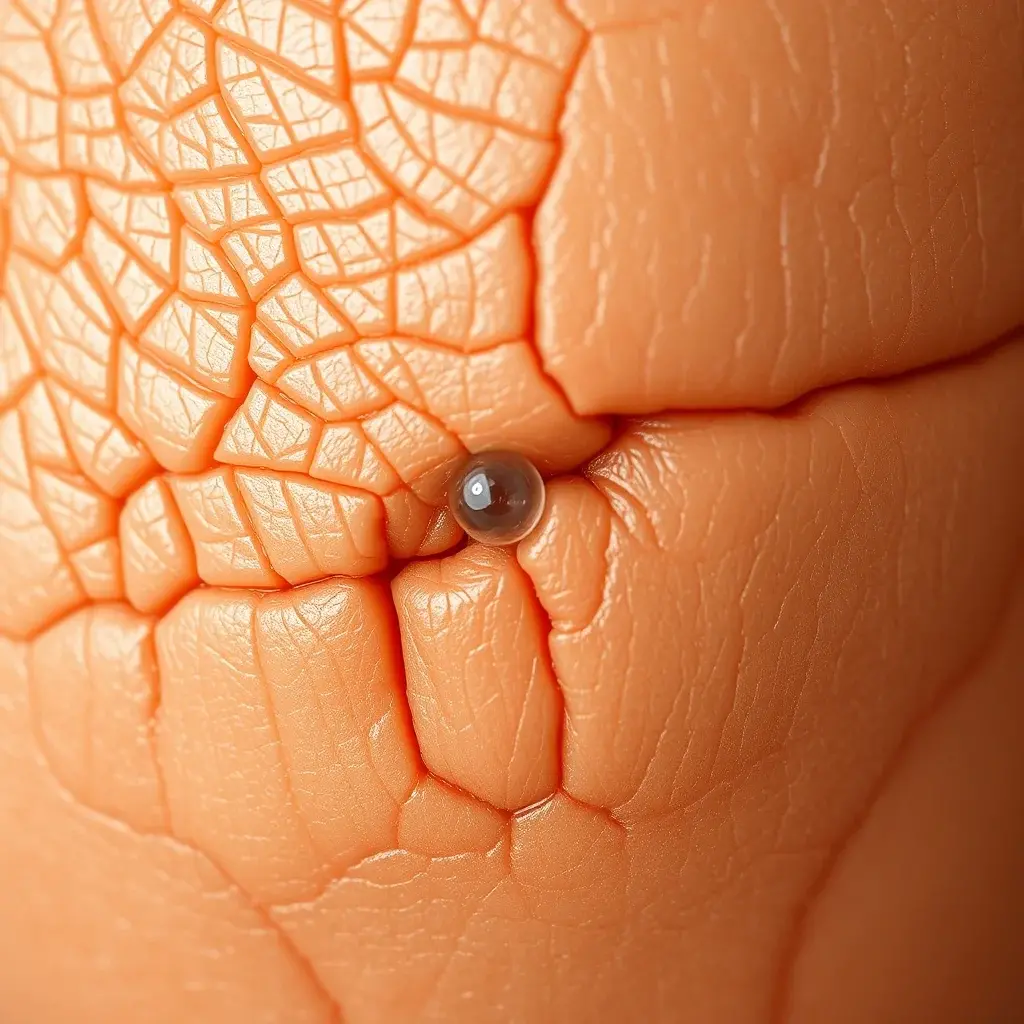
The skin barrier, a dynamic interface between the body and the external environment, serves as the primary defense against pathogens, pollutants, and transepidermal water loss (TEWL). When compromised—whether by environmental stressors, over-exfoliation, or chronic skin conditions—its dysfunction manifests as redness, irritation, dryness, and heightened sensitivity. The past decade has witnessed a surge in research and product development aimed at repairing and fortifying this critical structure, driven by rising consumer demand for clinically effective solutions. Dermatologists, skincare formulators, and biotech firms now prioritize barrier restoration as a cornerstone of modern dermatology, with global market projections estimating a compound annual growth rate (CAGR) of 7.2% for barrier repair products through 2030, according to a 2023 report by Grand View Research.
Defining the Scope: Historical Context and Key Stakeholders
The concept of skin barrier integrity dates back to the early 20th century, when dermatologists first identified the stratum corneum as the outermost layer responsible for protection. However, it wasn’t until the 1980s that researchers, led by Peter Elias, introduced the “brick-and-mortar” model, describing the stratum corneum as a matrix of corneocytes (bricks) embedded in a lipid bilayer (mortar). This paradigm shift laid the foundation for contemporary barrier repair strategies, which now emphasize lipid replenishment, ceramide integration, and pH balance restoration.
Primary stakeholders in this space include:
- Dermatologists and Clinicians: Frontline professionals diagnosing and treating barrier dysfunction, often recommending prescription-strength therapies or medical-grade skincare.
- Skincare Brands: Companies ranging from mass-market to luxury, developing over-the-counter (OTC) products with barrier-supportive ingredients like ceramides, cholesterol, and fatty acids.
- Biotech and Pharmaceutical Firms: Entities investing in novel technologies, such as barrier shield technology and epidermal recovery serums, to address unmet needs in conditions like eczema and psoriasis.
- Consumers: Individuals with sensitive, reactive, or chronically compromised skin, increasingly educated about the role of barrier health in long-term skin resilience.
- Regulatory Bodies: Organizations like the FDA and EMA, which classify barrier repair products as cosmetics or drugs based on intended use and ingredient claims.
Chronological Evolution of Barrier Repair Science
The timeline below outlines key milestones in the understanding and treatment of skin barrier dysfunction:
- 1928: Albert Kligman identifies the stratum corneum as the skin’s primary protective layer, though its exact function remains unclear.
- 1950s-1960s: Researchers discover the role of lipids in maintaining skin hydration, paving the way for moisturizer formulations.
- 1983: Peter Elias publishes the “brick-and-mortar” model, revolutionizing the approach to barrier repair by emphasizing lipid replenishment.
- 1990s: Ceramides emerge as a critical ingredient in barrier repair, with studies demonstrating their efficacy in restoring lipid bilayers. CeraVe, launched in 2005, becomes one of the first brands to popularize ceramide-based skincare.
- 2000s: The concept of the acid mantle gains traction, with research showing that maintaining a pH of 4.5-5.5 optimizes barrier function. Brands begin formulating pH-balanced cleansers and toners.
- 2010s: Barrier shield technology enters the market, with products like Skin Fix MD Barrier First utilizing multi-layered formulations to mimic the stratum corneum’s structure. Clinical trials demonstrate reductions in TEWL by up to 40% after four weeks of use.
- 2020s: Personalized skincare and microbiome-focused products gain prominence. Companies like AOBiome and Mother Dirt introduce live bacteria-based therapies to support barrier health, while AI-driven platforms analyze individual skin needs to recommend tailored regimens.
Mechanisms of Barrier Repair: How Products Work
Barrier repair products operate through three primary mechanisms: lipid replenishment, structural reinforcement, and inflammation modulation. The most effective formulations combine these approaches to address multiple facets of dysfunction.
1. Lipid Replenishment: The stratum corneum’s lipid bilayer consists of ceramides (50%), cholesterol (25%), and free fatty acids (15%). Products like CeraVe Moisturizing Cream and Dr. Jart+ Ceramidin Cream deliver these lipids in ratios mirroring natural skin composition, restoring the mortar between corneocytes. A 2021 study in the Journal of Clinical and Aesthetic Dermatology found that ceramide-containing moisturizers improved barrier function in 85% of participants with mild to moderate eczema after eight weeks.
2. Structural Reinforcement: Ingredients like niacinamide, panthenol, and peptides strengthen the skin’s physical barrier by promoting keratinocyte differentiation and corneocyte cohesion. Niacinamide, in particular, has been shown to increase ceramide production by 34% and reduce TEWL by 27% over 12 weeks, according to a 2019 study in the International Journal of Cosmetic Science.
3. Inflammation Modulation: Chronic inflammation disrupts barrier integrity by accelerating corneocyte shedding and impairing lipid synthesis. Anti-inflammatory agents such as colloidal oatmeal, centella asiatica, and licorice root extract soothe compromised skin while supporting repair. A 2022 meta-analysis in Dermatologic Therapy confirmed that centella asiatica reduced redness and scaling in 72% of patients with atopic dermatitis.
Emerging technologies, such as barrier shield technology, employ bioengineered polymers to form a protective film over the skin, mimicking the stratum corneum’s function. Products like SkinCeuticals Triple Lipid Restore 2:4:2 and La Roche-Posay Cicaplast Baume B5 utilize this approach to provide immediate relief while facilitating long-term repair.
Quantitative Data: Efficacy and Market Trends
The following table compares the efficacy of key barrier repair ingredients based on clinical data:
| Ingredient | Mechanism of Action | TEWL Reduction (%) | Clinical Study Duration | Source |
|---|---|---|---|---|
| Ceramides | Lipid replenishment | 30-40% | 4-8 weeks | Journal of Drugs in Dermatology (2020) |
| Niacinamide | Ceramide synthesis, anti-inflammatory | 27% | 12 weeks | International Journal of Cosmetic Science (2019) |
| Colloidal Oatmeal | Anti-inflammatory, barrier support | 22% | 6 weeks | Journal of Clinical and Aesthetic Dermatology (2021) |
| Centella Asiatica | Anti-inflammatory, wound healing | 18% | 8 weeks | Dermatologic Therapy (2022) |
| Cholesterol | Lipid bilayer restoration | 35% | 4 weeks | British Journal of Dermatology (2018) |
Market trends reflect growing consumer awareness and demand for barrier-focused products. A 2023 survey by The NPD Group revealed that 68% of skincare consumers prioritize products labeled as “barrier-supportive,” up from 45% in 2020. The global market for ceramide-based skincare alone is projected to reach $1.2 billion by 2027, driven by rising incidences of eczema and rosacea, which affect an estimated 10% and 5% of the global population, respectively.
Systemic Impacts: Beyond Cosmetic Concerns
Barrier dysfunction extends beyond aesthetic issues, with implications for overall health and quality of life. Chronic conditions like atopic dermatitis and psoriasis, characterized by impaired barrier function, are associated with increased risks of secondary infections, sleep disturbances, and mental health challenges. A 2022 study in JAMA Dermatology found that individuals with severe eczema were 44% more likely to experience anxiety or depression compared to those with healthy skin.
Economic burdens are equally significant. The annual cost of treating atopic dermatitis in the U.S. exceeds $5 billion, with indirect costs—such as lost productivity—adding another $3 billion, according to a 2021 report by the National Eczema Association. Barrier repair therapies offer a cost-effective adjunct to traditional treatments, reducing reliance on prescription steroids and immunomodulators, which carry long-term side effects.
Environmental factors further exacerbate barrier dysfunction. Urbanization, pollution, and climate change have been linked to rising rates of sensitive skin. A 2020 study in Environmental Research demonstrated that individuals living in high-pollution areas exhibited 20% higher TEWL and 30% more visible signs of barrier damage compared to those in low-pollution regions. These findings underscore the need for barrier-protective skincare as a public health priority.
Stakeholder Perspectives: Conflicting Priorities and Shared Goals
While stakeholders agree on the importance of barrier repair, their approaches and priorities often diverge.
Dermatologists: “Barrier repair is not a one-size-fits-all solution,” says Dr. Whitney Bowe, a board-certified dermatologist and author of The Beauty of Dirty Skin. “Clinicians must consider the underlying cause of dysfunction—whether it’s genetic, environmental, or iatrogenic—before recommending a regimen. For example, patients with filaggrin mutations, which impair natural moisturizing factor production, require different interventions than those with contact dermatitis.”
Skincare Brands: Industry leaders emphasize innovation and accessibility. “Consumers are increasingly educated about ingredients, but they still need products that are easy to use and backed by science,” notes Dr. Shereene Idriss, a cosmetic dermatologist and founder of Idriss Dermatology. “Brands that simplify the science—like La Roche-Posay’s Lipikar line or Eucerin’s Advanced Repair—make barrier repair accessible to the masses without compromising efficacy.”
Biotech Firms: Companies like SkinCeuticals and Allergan invest heavily in clinical research to differentiate their products. “The future of barrier repair lies in precision skincare,” says Dr. Sheldon Pinnell, founder of SkinCeuticals. “We’re exploring biomarkers to predict individual responses to ingredients, allowing for truly personalized regimens. For instance, someone with a ceramide deficiency may benefit more from a ceramide-dominant product, while another with inflammation-driven barrier issues might need a centella-based formula.”
Consumers: “I used to think my skin was just ‘sensitive,’ but learning about the barrier changed everything,” says Maria Gonzalez, a 34-year-old teacher with rosacea. “Switching to a ceramide-rich routine reduced my flare-ups by 70%. It’s not just about looking better—it’s about feeling in control of my skin.”
Regulators: The FDA’s stance on barrier repair products remains nuanced. “Claims like ‘repairs the skin barrier’ are permissible for cosmetics if they’re supported by adequate substantiation,” explains Dr. Linda Katz, director of the FDA’s Office of Cosmetics and Colors. “However, if a product makes drug-like claims—such as treating eczema—it must undergo the same rigorous approval process as any other drug.”
These perspectives highlight the tension between innovation, regulation, and consumer needs. While dermatologists advocate for personalized, evidence-based approaches, brands seek to balance efficacy with marketability. Regulators, meanwhile, walk a fine line between fostering innovation and protecting consumers from misleading claims.
As research advances, the skincare industry faces mounting pressure to validate claims through independent clinical trials. The rise of direct-to-consumer genetic testing, such as 23andMe’s skin health reports, may further complicate the landscape, enabling consumers to tailor regimens based on genetic predispositions. However, the ethical implications of such personalization—including data privacy and accessibility—remain unresolved. Meanwhile, the next frontier in barrier repair may lie in microbiome modulation, with early studies suggesting that probiotics and postbiotics can enhance barrier function by promoting a healthy skin microbiome. Whether these approaches will translate into mainstream products remains an open question, but one thing is clear: the pursuit of resilient, healthy skin is far from over.
You may also like
-
Clinical Precision in Dermatology: A Multidimensional Analysis of Medical-Grade Solutions for Acne, Eczema, and Sensitive Skin Barriers
-
Targeted Actives for Sensitive Skin: A Multidimensional Analysis of Clinical Efficacy, Ingredient Synergy, and Dermatological Innovation
-
The Science of Skin Barrier Repair: Mechanisms, Therapeutic Innovations, and the Role of Lipid Replenishing Skincare in Modern Dermatology
-
The Evolving Landscape of Medical-Grade Skincare: Clinical Solutions for Acne, Eczema, and Sensitive Skin Barriers in 2024
-
The Gut-Skin-Hormone Axis: A 360-Degree Examination of Internal Triggers in Chronic Skin Conditions