
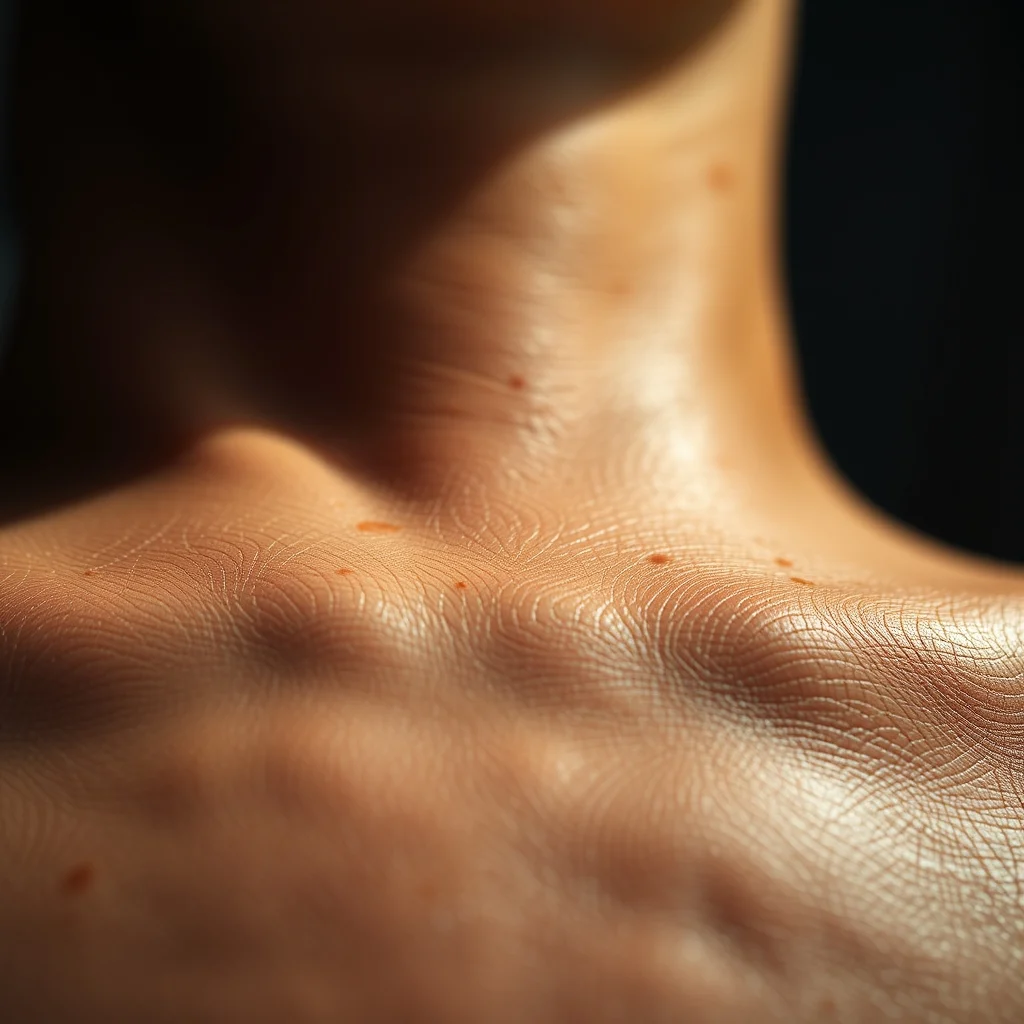
In 2024, dermatological research has increasingly focused on the interconnected roles of gut health, hormonal fluctuations, and psychological stress in shaping skin conditions. This shift reflects a growing recognition that chronic skin issues—such as acne, eczema, rosacea, and psoriasis—often stem from internal imbalances rather than external factors alone. The convergence of these three domains has given rise to a new paradigm in skincare, one that prioritizes systemic interventions over topical treatments. The implications are far-reaching, affecting millions of individuals worldwide who struggle with persistent dermatological symptoms despite adhering to conventional skincare regimens.
Executive Summary: The Who, What, When, Where, Why, and How
Who: The primary stakeholders in this discourse include dermatologists, gastroenterologists, endocrinologists, nutritionists, mental health professionals, and patients with chronic skin conditions. Research institutions such as the American Academy of Dermatology (AAD), the National Institutes of Health (NIH), and the International Society of Dermatology (ISD) are actively investigating these connections, while pharmaceutical and nutraceutical companies are developing targeted therapies to address internal triggers.
What: The gut-skin-hormone axis refers to the bidirectional communication between the gastrointestinal system, endocrine system, and skin. Disruptions in gut microbiota, hormonal imbalances (particularly involving cortisol, estrogen, and androgens), and chronic stress are now understood to exacerbate or even initiate inflammatory skin conditions. This framework challenges the long-held assumption that skin health is primarily determined by external factors like hygiene, pollution, or skincare products.
When: The scientific exploration of these connections dates back to the early 20th century, but significant advancements have occurred in the last two decades. Key milestones include the identification of the gut-brain-skin axis in the 2000s, the mapping of hormonal influences on acne in the 2010s, and the recent surge in microbiome research, which has accelerated since 2020. The COVID-19 pandemic further highlighted the impact of stress on skin health, as dermatologists reported a 30% increase in stress-related flare-ups during lockdowns.
Where: This phenomenon is global, though its manifestations vary by region due to dietary, environmental, and genetic differences. In the United States and Europe, where processed foods and high-stress lifestyles are prevalent, acne and eczema are among the most common dermatological complaints linked to internal triggers. In Asia, where traditional medicine has long emphasized gut health, there is growing interest in integrating Western dermatological practices with holistic approaches. Studies from institutions in Japan, South Korea, and China have contributed significantly to the understanding of how diet and gut microbiota influence skin conditions.
Why: The rise in chronic skin conditions correlates with modern lifestyle factors, including poor diet, sedentary behavior, chronic stress, and environmental pollutants. These factors disrupt gut microbiota, alter hormonal balance, and weaken the skin barrier, creating a feedback loop that perpetuates inflammation. For example, a 2023 study published in JAMA Dermatology found that individuals with high cortisol levels were 2.5 times more likely to experience severe acne flare-ups, while those with gut dysbiosis were 1.8 times more likely to develop eczema.
How: The mechanisms underlying these connections are complex and multifaceted. The gut microbiome produces metabolites that influence systemic inflammation, while hormonal fluctuations—particularly in cortisol, estrogen, and androgens—can alter sebum production and skin cell turnover. Stress activates the hypothalamic-pituitary-adrenal (HPA) axis, leading to elevated cortisol levels, which in turn exacerbate inflammation and impair the skin’s barrier function. These pathways are not isolated; they interact in ways that amplify or mitigate dermatological symptoms.
Historical Context and Evolution of the Gut-Skin-Hormone Paradigm
The recognition of internal factors in skin health is not new. Ancient medical traditions, including Ayurveda and Traditional Chinese Medicine (TCM), have long emphasized the connection between digestion, emotional well-being, and skin appearance. However, the scientific validation of these concepts is a relatively recent development.
- Early 20th Century: Dermatologists began documenting cases where dietary changes improved skin conditions, though these observations were largely anecdotal. In 1930, dermatologist John H. Stokes proposed the concept of the
You may also like
-
Clinical Precision in Dermatology: A Multidimensional Analysis of Medical-Grade Solutions for Acne, Eczema, and Sensitive Skin Barriers
-
Targeted Actives for Sensitive Skin: A Multidimensional Analysis of Clinical Efficacy, Ingredient Synergy, and Dermatological Innovation
-
The Science of Skin Barrier Repair: Mechanisms, Therapeutic Innovations, and the Role of Lipid Replenishing Skincare in Modern Dermatology
-
The Evolving Landscape of Medical-Grade Skincare: Clinical Solutions for Acne, Eczema, and Sensitive Skin Barriers in 2024
-
The Gut-Skin-Hormone Axis: A 360-Degree Examination of Internal Triggers in Chronic Skin Conditions