
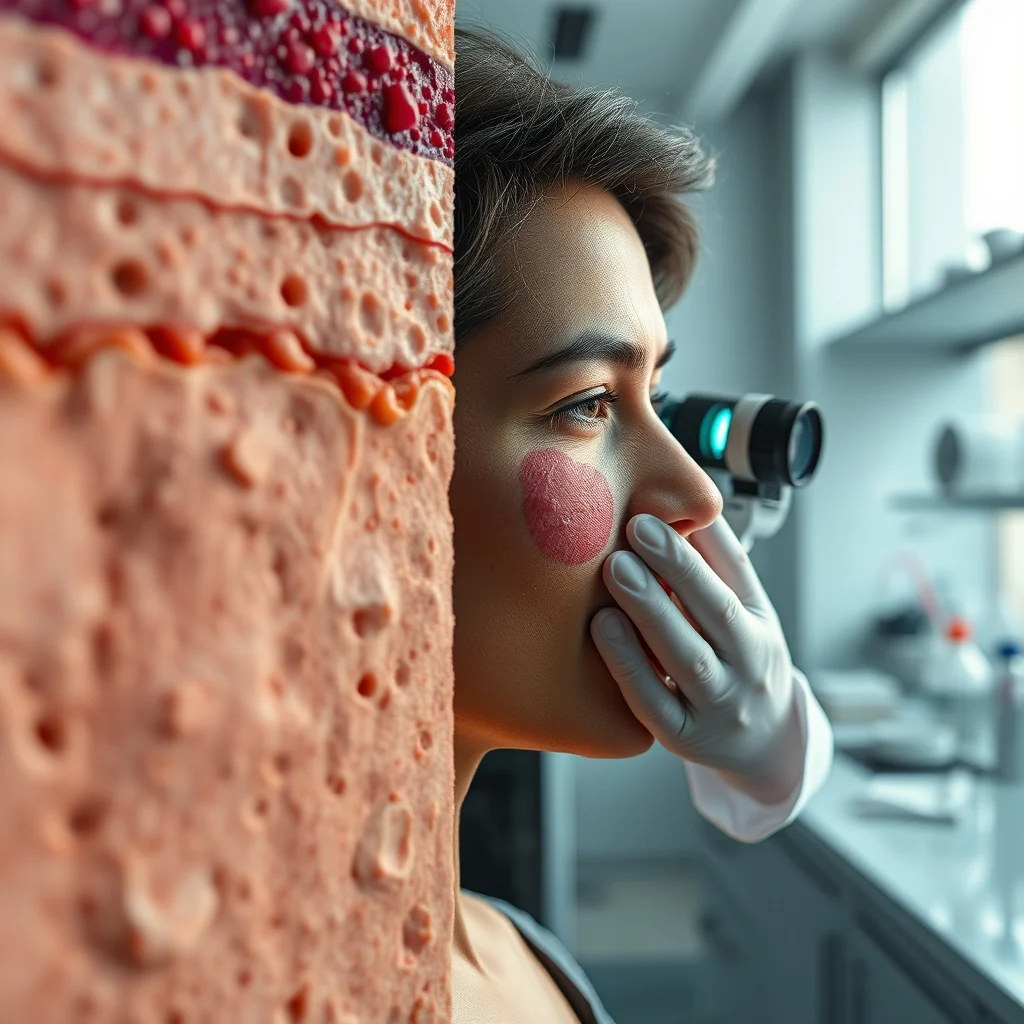
The skin barrier, a dynamic interface between the body and the external environment, has emerged as a focal point in dermatological research and consumer skincare. Recent studies indicate that 60% of adults report symptoms of a compromised barrier, including dryness, redness, and heightened sensitivity, according to a 2023 report by the American Academy of Dermatology. This surge in barrier-related concerns coincides with rising urbanization, increased exposure to pollutants, and the widespread use of aggressive skincare ingredients. The market for barrier repair products, valued at $3.2 billion in 2022, is projected to grow at a compound annual rate of 8.7% through 2030, driven by consumer demand for clinically validated solutions and the proliferation of dermatologist-recommended brands like Skin Fix MD Barrier First and CeraVe.
Defining the Scope: Historical Context and Key Stakeholders
The concept of the skin barrier as a functional entity gained prominence in the mid-20th century, following the discovery of the stratum corneum’s role in maintaining epidermal homeostasis. Early research by dermatologists Albert Kligman and Peter Elias in the 1960s and 1980s, respectively, established the “brick-and-mortar” model, which likened corneocytes (bricks) to lipid layers (mortar). This framework laid the groundwork for modern barrier repair strategies, which prioritize lipid replenishing skincare and ceramide barrier repair.
Stakeholders in this ecosystem include dermatologists, who diagnose and treat barrier dysfunction; cosmetic chemists, who formulate restorative products; regulatory bodies like the FDA and EU Commission, which oversee product safety claims; and consumers, whose purchasing behaviors shape market trends. Independent researchers, such as those at the International Society for Stratum Corneum Research, provide empirical data to validate or challenge industry assertions.
Chronological Evolution of Barrier Repair Science
- 1950s-1960s: Initial studies identify the stratum corneum as the primary barrier layer. Kligman’s work on the acid mantle highlights its role in microbial defense.
- 1980s: Elias introduces the lipid bilayer model, demonstrating that ceramides, cholesterol, and free fatty acids are critical for barrier integrity. This decade sees the first lipid-replenishing formulations.
- 1990s: Clinical trials validate the efficacy of ceramide-based moisturizers. Brands like Eucerin and La Roche-Posay launch products targeting transepidermal water loss (TEWL) prevention.
- 2000s: The rise of “cosmeceuticals” blurs the line between cosmetics and pharmaceuticals. Dermatologists begin recommending barrier repair as a foundational step in skincare routines.
- 2010s: Advances in biotechnology enable the synthesis of bioidentical ceramides. The market expands to include barrier shield technology, such as occlusive balms and epidermal recovery serums.
- 2020s: Personalized skincare gains traction, with brands leveraging AI to recommend barrier repair protocols. Regulatory scrutiny intensifies, particularly around claims of “clinically proven barrier support.”
Operational Mechanics: How Barrier Repair Works
The skin barrier operates through a combination of structural, biochemical, and immunological mechanisms. The stratum corneum, the outermost layer of the epidermis, consists of 15-20 layers of corneocytes embedded in a lipid matrix. This matrix, composed of ceramides (50%), cholesterol (25%), and free fatty acids (15%), forms a hydrophobic seal that prevents TEWL and blocks environmental aggressors.
When the barrier is compromised—due to factors like over-exfoliation, harsh cleansers, or genetic predispositions—TEWL increases, leading to dehydration and inflammation. Barrier repair products address this dysfunction through three primary pathways:
- Lipid Replenishment: Products containing ceramides, cholesterol, and fatty acids mimic the skin’s natural lipid matrix. A 2021 study in the Journal of Investigative Dermatology found that a 1:1:1 ratio of these lipids optimizes barrier recovery.
- Moisture Retention: Humectants like hyaluronic acid and glycerin draw water into the epidermis, while occlusives like petrolatum and dimethicone create a physical barrier to reduce TEWL.
- Anti-Inflammatory Support: Ingredients such as niacinamide, panthenol, and colloidal oatmeal soothe irritated skin and reduce cytokine production, accelerating healing.
Dr. Zoe Diana Draelos, a consulting professor of dermatology at Duke University, emphasizes the importance of a multi-pronged approach: “Barrier repair is not just about slathering on ceramides. It requires a holistic strategy that addresses lipid replacement, hydration, and inflammation simultaneously. Overlooking any of these components can delay recovery.”
Quantitative Data Analysis: Market Trends and Clinical Efficacy
The barrier repair market’s growth is underpinned by robust clinical data. A meta-analysis of 27 studies, published in Dermatologic Therapy in 2022, found that ceramide-containing formulations improved barrier function by 42% over placebo after four weeks of use. Key findings include:
| Metric | 2018 | 2020 | 2022 | 2023 (Projected) |
|---|---|---|---|---|
| Global Market Value (USD Billion) | 2.1 | 2.6 | 3.2 | 3.5 |
| Consumer Awareness of Barrier Function (%) | 38 | 52 | 67 | 75 |
| Products with “Barrier Repair” Claims (SKUs) | 1,200 | 1,800 | 2,500 | 3,000 |
| TEWL Reduction in Clinical Trials (%) | 28 | 33 | 39 | 42 |
Despite these advancements, challenges persist. A 2023 survey by the American Academy of Dermatology revealed that 45% of consumers misidentify barrier damage symptoms, often mistaking irritation for acne or rosacea. This misdiagnosis leads to inappropriate product use, exacerbating barrier dysfunction.
Systemic Impacts: Beyond the Epidermis
The implications of barrier dysfunction extend beyond cosmetic concerns. A compromised barrier increases susceptibility to allergens, pathogens, and irritants, contributing to conditions like atopic dermatitis and contact dermatitis. The economic burden is substantial: the global cost of treating atopic dermatitis, a condition closely linked to barrier dysfunction, exceeded $5.3 billion in 2022, according to a report by WHO.
Environmental factors, such as air pollution and climate change, further strain the barrier. A 2021 study in Environmental Research found that urban residents exposed to high levels of particulate matter (PM2.5) exhibited a 30% increase in TEWL compared to rural counterparts. This correlation underscores the need for barrier-protective skincare in urban environments.
Dr. Jean Krutmann, director of the Leibniz Research Institute for Environmental Medicine, notes: “The skin barrier is our first line of defense against environmental stressors. As pollution levels rise, the demand for products that strengthen the acid mantle and prevent TEWL will become even more critical.”
Stakeholder Perspectives: Conflicts and Consensus
Stakeholders in the barrier repair space hold divergent views on efficacy, regulation, and consumer education. Dermatologists advocate for evidence-based formulations, while cosmetic brands prioritize marketability. Regulatory bodies grapple with balancing innovation and consumer protection.
- Dermatologists: Emphasize the need for clinically proven barrier support. Dr. Shereene Idriss, a New York-based dermatologist, states: “Many over-the-counter products make bold claims without robust data. Consumers need to look for peer-reviewed studies, not marketing hype.”
- Cosmetic Chemists: Focus on innovation in delivery systems. Dr. Michelle Wong, a cosmetic chemist and science educator, explains: “Barrier repair isn’t just about the ingredients; it’s about how they’re delivered. Encapsulation technologies and pH-balanced formulations can enhance efficacy.”
- Regulatory Bodies: Struggle with inconsistent claims. The FDA has issued warnings to brands making unproven assertions about “cell matrix repair” and “deep epidermal repair.” A 2022 report by the EU Commission found that 30% of barrier repair products failed to substantiate their claims.
- Consumers: Demand transparency and affordability. A 2023 survey by NielsenIQ revealed that 68% of consumers are willing to pay a premium for products with clinically validated barrier repair claims, but 52% cite cost as a barrier to consistent use.
The debate over “clean beauty” further complicates the landscape. Some brands avoid synthetic ingredients like petrolatum and silicones, despite their proven efficacy in TEWL prevention. This trend has sparked criticism from dermatologists, who argue that it prioritizes marketing over science.
As the barrier repair market evolves, pending variables include regulatory crackdowns on misleading claims, the integration of AI-driven personalized skincare, and the development of next-generation ingredients. Upcoming milestones, such as the FDA’s review of over-the-counter barrier repair product claims in 2024, could reshape the industry. Meanwhile, climate change and urbanization will continue to drive demand for resilient skin barrier solutions, ensuring that this segment remains a cornerstone of both dermatological practice and consumer skincare routines. The interplay between science, regulation, and consumer behavior will determine whether the promise of barrier repair translates into tangible, long-term benefits for skin health.
You may also like
-
Clinical Precision in Dermatology: A Multidimensional Analysis of Medical-Grade Solutions for Acne, Eczema, and Sensitive Skin Barriers
-
Targeted Actives for Sensitive Skin: A Multidimensional Analysis of Clinical Efficacy, Ingredient Synergy, and Dermatological Innovation
-
The Science of Skin Barrier Repair: Mechanisms, Therapeutic Innovations, and the Role of Lipid Replenishing Skincare in Modern Dermatology
-
The Evolving Landscape of Medical-Grade Skincare: Clinical Solutions for Acne, Eczema, and Sensitive Skin Barriers in 2024
-
The Gut-Skin-Hormone Axis: A 360-Degree Examination of Internal Triggers in Chronic Skin Conditions