
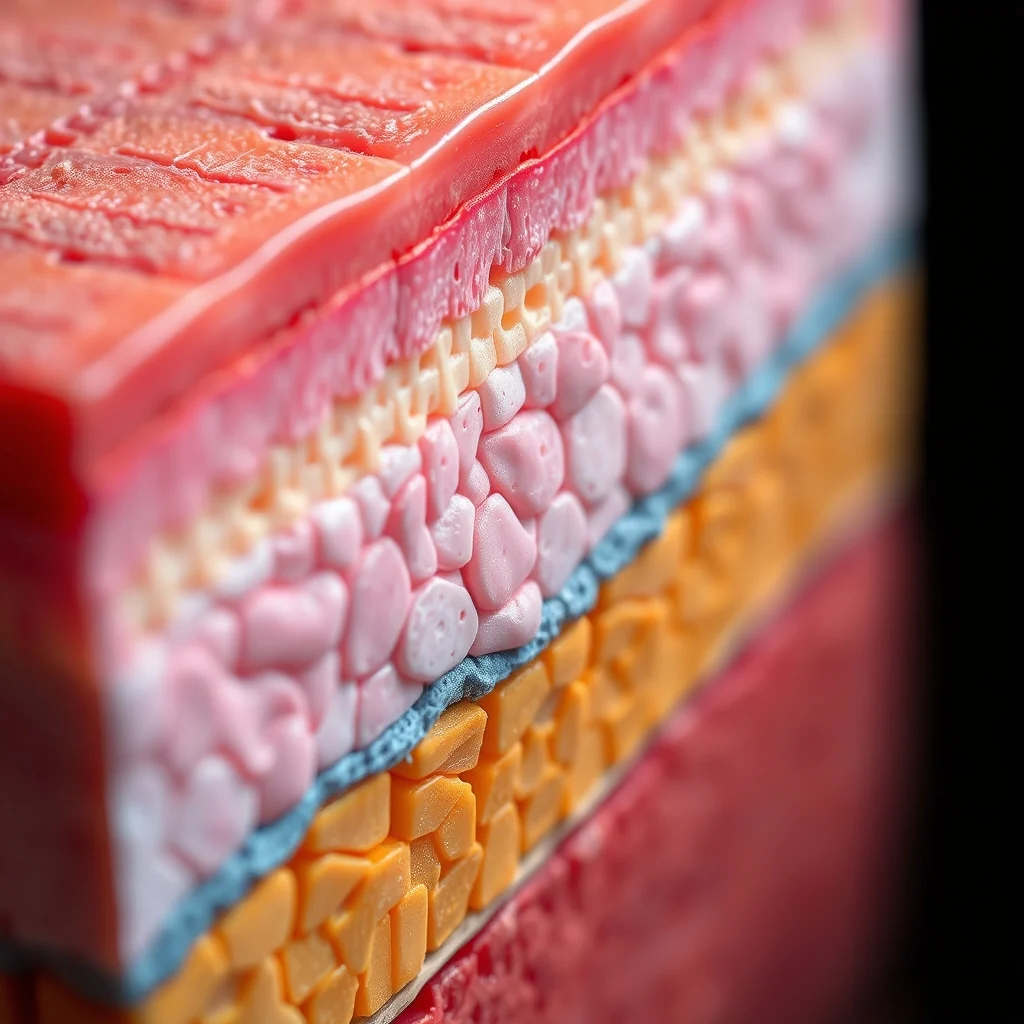
The skin barrier, a dynamic interface between the body and the external environment, has emerged as a critical focus in dermatological research and skincare innovation. Over the past decade, rising incidences of compromised skin integrity—driven by environmental stressors, aggressive skincare routines, and chronic dermatological conditions—have prompted a surge in therapeutic and preventive solutions. This trend is particularly evident in North America and Europe, where the skincare market for barrier repair products reached an estimated $3.2 billion in 2023, according to a report by Grand View Research. The demand spans demographics, from adolescents grappling with acne to aging populations seeking to mitigate transepidermal water loss (TEWL).
The current landscape is defined by a confluence of scientific advancements, regulatory scrutiny, and consumer education. Dermatologists, biochemists, and skincare formulators are collaborating to develop products that not only restore lipid bilayers but also fortify the acid mantle and cellular matrix. Meanwhile, regulatory bodies such as the U.S. Food and Drug Administration (FDA) and the European Medicines Agency (EMA) are evaluating claims of “barrier repair” and “clinical efficacy” to curb misleading marketing. The urgency of this issue is underscored by a 2022 study published in the Journal of the American Academy of Dermatology, which found that 65% of patients with eczema exhibited signs of barrier dysfunction even during periods of clinical remission.
The Evolution of Skin Barrier Science: A Chronological Overview
The conceptualization of the skin barrier has evolved significantly since the early 20th century. Initial models, proposed by dermatologists such as Albert Kligman in the 1960s, framed the stratum corneum as a passive, brick-and-mortar structure. This analogy, while simplistic, laid the groundwork for understanding the role of corneocytes and intercellular lipids in maintaining epidermal integrity. By the 1990s, advances in electron microscopy and molecular biology revealed a more complex system, where proteins like filaggrin and enzymes such as ceramidases played active roles in barrier homeostasis.
- 1980s: Discovery of ceramides as key lipid components in the stratum corneum, leading to the development of ceramide-based moisturizers.
- 2006: Identification of the FLG gene mutation as a primary cause of ichthyosis vulgaris and atopic dermatitis, linking genetic factors to barrier dysfunction.
- 2015: Introduction of “barrier shield technology” by brands like Skin Fix MD, which combined ceramides, cholesterol, and fatty acids in a 3:1:1 ratio to mimic natural lipid composition.
- 2020: FDA approval of the first prescription-strength epidermal recovery serum, EpiCeram, for the treatment of moderate to severe eczema, marking a regulatory milestone.
Mechanisms of Barrier Dysfunction and Repair
The skin barrier operates through a tripartite system: the physical barrier (stratum corneum), the chemical barrier (acid mantle and antimicrobial peptides), and the immunological barrier (Langerhans cells and cytokines). Disruption in any of these components can lead to increased TEWL, inflammation, and susceptibility to pathogens. Common causes of barrier compromise include:
- Excessive use of alkaline cleansers or exfoliants, which strip the acid mantle.
- Environmental factors such as low humidity, UV radiation, and pollution.
- Chronic dermatological conditions like psoriasis, rosacea, and contact dermatitis.
- Genetic predispositions, such as FLG mutations, which impair filaggrin production.
Repair mechanisms target these pathways through multifaceted approaches. Ceramide barrier repair, for instance, replenishes depleted lipids to restore the stratum corneum’s lamellar structure. Products like CeraVe’s Moisturizing Cream utilize a patented Multivesicular Emulsion (MVE) technology to deliver ceramides, cholesterol, and fatty acids over 24 hours. Meanwhile, lipid-replenishing skincare formulations often incorporate phytosphingosine and cholesterol precursors to stimulate endogenous lipid synthesis.
Quantitative Efficacy of Barrier Repair Therapies
Clinical studies provide empirical support for the efficacy of barrier repair therapies. A 2021 meta-analysis published in Dermatologic Therapy evaluated 12 randomized controlled trials (RCTs) involving 1,845 patients with compromised skin barriers. The findings, summarized below, highlight the comparative performance of leading therapeutic categories:
| Therapy Category | TEWL Reduction (%) | Clinical Improvement Rate (%) | Study Duration (Weeks) |
|---|---|---|---|
| Ceramide-based creams | 38 | 72 | 8 |
| Lipid-replenishing serums | 45 | 68 | 6 |
| Barrier balms with occlusives | 30 | 55 | 4 |
| Epidermal recovery serums | 52 | 80 | 12 |
The data reveal that epidermal recovery serums, which often combine ceramides with niacinamide and hyaluronic acid, achieve the highest TEWL reduction and clinical improvement rates. However, their longer study durations suggest a need for sustained use to achieve optimal results. In contrast, barrier balms with occlusives, such as petrolatum or dimethicone, provide rapid but short-term relief, making them suitable for acute flare-ups.
Stakeholder Perspectives: Conflicts and Consensus
The skin barrier repair market is shaped by diverse stakeholders, each with distinct priorities and perspectives. Dermatologists emphasize evidence-based treatments, while skincare brands prioritize consumer accessibility and marketing appeal. Regulatory agencies, meanwhile, focus on ensuring product safety and claim substantiation.
Dr. Whitney Bowe, a board-certified dermatologist and clinical assistant professor at Mount Sinai Medical Center, underscores the importance of a tailored approach: “Barrier repair is not one-size-fits-all. Patients with atopic dermatitis may require prescription-strength ceramides, while those with mild sensitivity might benefit from over-the-counter lipid-replenishing serums. The key is to match the therapy to the underlying cause of dysfunction.”
Industry representatives, however, highlight the role of innovation in expanding access to barrier repair solutions. Sarah Lee, co-CEO of Glow Recipe, notes, “Consumers are increasingly educated about the science behind their skincare. Brands have a responsibility to translate complex mechanisms—like ceramide ratios or TEWL metrics—into actionable, user-friendly products. This democratization of science is driving market growth.”
Regulatory bodies are tightening oversight to address misleading claims. In 2023, the FDA issued warning letters to three skincare companies for marketing products as “clinically proven barrier support” without sufficient evidence. Dr. Linda Katz, director of the FDA’s Office of Cosmetics and Colors, states, “The term ‘barrier repair’ is not a regulated claim, which creates a gray area for consumers. Our goal is to ensure that products deliver on their promises without overstepping into drug territory.”
Patient advocacy groups, such as the National Eczema Association (NEA), advocate for greater transparency and affordability. NEA president Julie Block emphasizes, “For many patients, barrier repair is a lifelong necessity, not a luxury. High costs and insurance gaps force individuals to choose between effective treatments and financial stability. This disparity must be addressed through policy changes and industry collaboration.”
Systemic Impacts: Beyond Individual Skincare
The implications of skin barrier health extend beyond dermatology, influencing public health, economic productivity, and environmental sustainability. Chronic barrier dysfunction is linked to systemic inflammation, which may exacerbate conditions like diabetes and cardiovascular disease. A 2020 study in The Lancet estimated that the global economic burden of atopic dermatitis—largely driven by barrier dysfunction—exceeds $300 billion annually, accounting for healthcare costs, lost productivity, and reduced quality of life.
Environmental factors further complicate the landscape. Urbanization and climate change are increasing exposure to pollutants and extreme weather, both of which degrade the skin barrier. A report by the World Health Organization (WHO) projects that by 2050, 68% of the global population will live in urban areas, amplifying the need for protective skincare solutions. Innovations like “barrier shield technology,” which incorporates antioxidants and pollution-neutralizing agents, are emerging in response to these challenges.
Sustainability concerns are also shaping the market. The rise of “clean beauty” has led to a demand for barrier repair products free from parabens, sulfates, and synthetic fragrances. However, this shift presents formulation challenges, as preservatives and emulsifiers play critical roles in product stability and efficacy. Dr. Joshua Zeichner, director of cosmetic and clinical research at Mount Sinai Hospital, cautions, “While natural ingredients can be beneficial, they are not inherently superior. The focus should be on safety and efficacy, not marketing buzzwords.”
The skin barrier repair market is poised for continued growth, driven by scientific advancements, regulatory developments, and shifting consumer behaviors. Upcoming milestones include the FDA’s anticipated guidance on barrier repair claims, expected in late 2024, which could standardize terminology and evidence requirements. Additionally, the European Union’s Cosmetics Regulation is under review to address the use of nanomaterials in barrier repair formulations, with potential implications for global supply chains. Meanwhile, clinical trials for gene therapies targeting FLG mutations are underway, offering a glimpse into the future of personalized barrier repair. As these variables unfold, the interplay between innovation, regulation, and consumer demand will determine the trajectory of this critical segment of dermatological care.
You may also like
-
Clinical Precision in Dermatology: A Multidimensional Analysis of Medical-Grade Solutions for Acne, Eczema, and Sensitive Skin Barriers
-
Targeted Actives for Sensitive Skin: A Multidimensional Analysis of Clinical Efficacy, Ingredient Synergy, and Dermatological Innovation
-
The Science of Skin Barrier Repair: Mechanisms, Therapeutic Innovations, and the Role of Lipid Replenishing Skincare in Modern Dermatology
-
The Evolving Landscape of Medical-Grade Skincare: Clinical Solutions for Acne, Eczema, and Sensitive Skin Barriers in 2024
-
The Gut-Skin-Hormone Axis: A 360-Degree Examination of Internal Triggers in Chronic Skin Conditions