
The skin barrier, a dynamic interface between the body and the external environment, has become a focal point of dermatological research, clinical practice, and consumer skincare trends. Over the past decade, rising incidences of eczema, rosacea, and contact dermatitis—coupled with increased environmental stressors such as pollution, UV radiation, and aggressive skincare routines—have underscored the fragility of this critical structure. As of 2024, the global market for barrier repair products is projected to exceed $12 billion, driven by demand for formulations addressing transepidermal water loss prevention and ceramide barrier repair. This surge reflects a broader shift in dermatological priorities, where prevention and restoration now rival traditional anti-aging and acne-focused interventions.
Executive Summary: The Who, What, When, Where, Why, and How of Barrier Compromise
The who encompasses a diverse demographic: infants with underdeveloped skin barriers, adults exposed to occupational hazards (e.g., healthcare workers, construction laborers), and aging populations experiencing natural lipid depletion. The what—barrier dysfunction—manifests as redness, flaking, heightened sensitivity, and increased susceptibility to pathogens. The when spans both acute incidents (e.g., chemical peels, over-exfoliation) and chronic conditions (e.g., atopic dermatitis). Geographically, the where is global, though urban populations in industrialized nations report higher rates of barrier disruption due to environmental pollutants. The why is multifactorial: genetic predispositions, lifestyle choices (e.g., frequent handwashing, alcohol-based sanitizers), and iatrogenic factors (e.g., retinoid overuse). The how involves a cascade of biochemical events, including lipid depletion, corneocyte disorganization, and inflammatory cytokine release, which collectively impair the stratum corneum’s ability to retain moisture and repel irritants.
Historical Context and Stakeholder Landscape
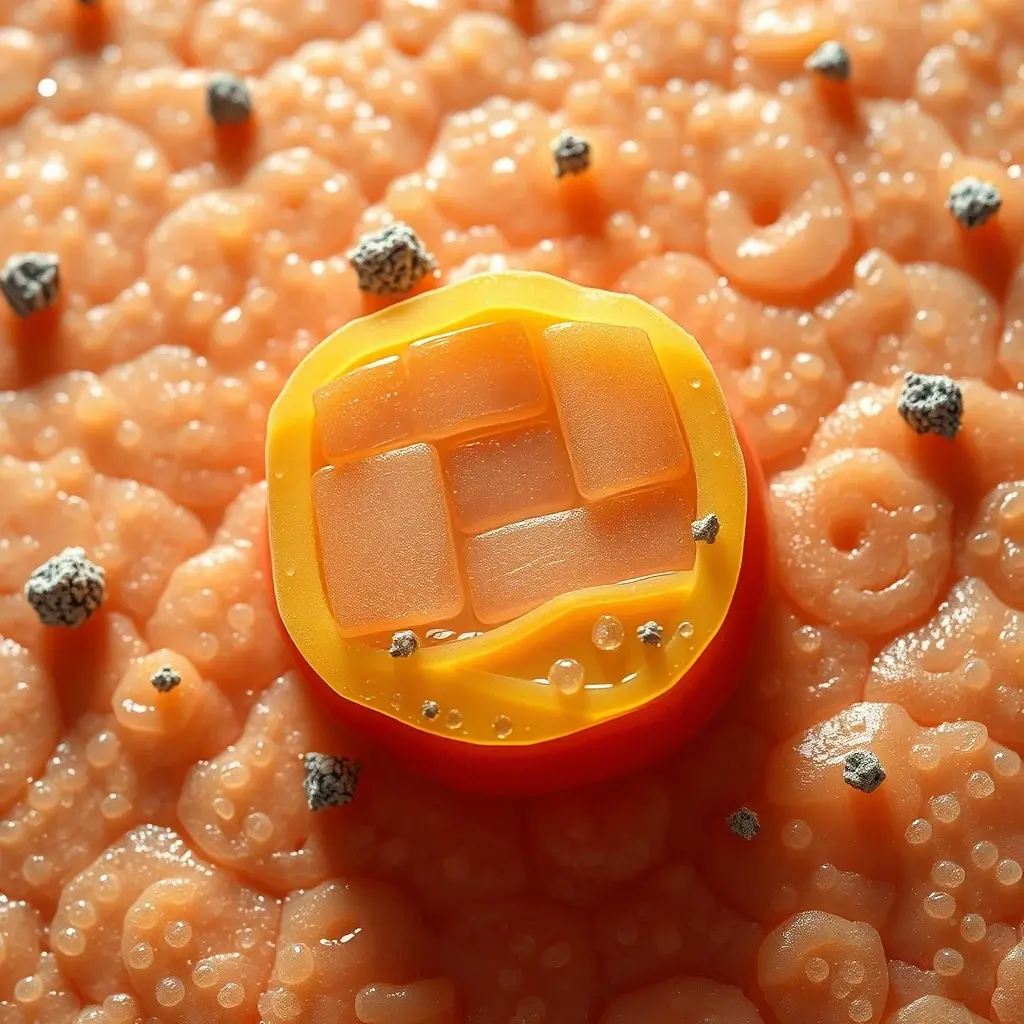
The conceptualization of the skin barrier has evolved significantly since the 19th century, when dermatologists first described the stratum corneum as a passive, inert layer. By the 1980s, the brick-and-mortar model—proposed by Peter Elias—redefined it as a metabolically active structure composed of corneocytes (bricks) embedded in a lipid matrix (mortar). This paradigm shift catalyzed the development of lipid-replenishing skincare products, with ceramides, cholesterol, and free fatty acids emerging as cornerstone ingredients. Today, stakeholders include:
- Dermatologists and researchers, who investigate the molecular mechanisms of barrier repair and validate clinical efficacy.
- Skincare brands, ranging from pharmaceutical-grade lines (e.g., CeraVe, La Roche-Posay) to indie labels leveraging barrier shield technology.
- Regulatory bodies, such as the FDA and EU Cosmetics Regulation, which oversee claims substantiation for terms like “clinically proven barrier support.”
- Consumers, whose purchasing behaviors are increasingly informed by educational campaigns from organizations like the National Eczema Association.
Dr. Whitney Bowe, a board-certified dermatologist and author of The Beauty of Dirty Skin, notes, “The skin barrier is not just a physical shield; it’s an ecosystem. Disrupting it doesn’t just cause dryness—it can trigger systemic inflammation, exacerbate autoimmune conditions, and even accelerate skin aging.”
Chronological Milestones in Barrier Science
- 1950s-1960s: Early electron microscopy studies reveal the stratum corneum’s layered structure, challenging the notion of skin as a simple membrane.
- 1983: Elias publishes his seminal paper on the brick-and-mortar model, linking lipid depletion to barrier dysfunction.
- 1990s: The first ceramide-based moisturizers (e.g., EpiCeram) receive FDA approval for eczema treatment, marking a turning point in therapeutic skincare.
- 2005: The term “acid mantle” gains traction in consumer education, popularized by brands like Paula’s Choice, which emphasize pH-balanced formulations.
- 2015-Present: Advances in cell matrix repair technologies, such as niacinamide-infused serums and microbiome-friendly prebiotics, enter the market. The rise of epidermal recovery serums reflects a shift toward proactive, rather than reactive, barrier care.
Operational Mechanics: How Barrier Repair Works
The skin barrier’s functionality hinges on three interdependent components: lipids, natural moisturizing factors (NMFs), and the microbiome. When compromised, the following processes are activated to restore homeostasis:
- Lipid Synthesis: Ceramides, cholesterol, and free fatty acids are produced by keratinocytes in the stratum granulosum. These lipids form lamellar sheets that fill the intercellular spaces, preventing transepidermal water loss (TEWL). Products like Skin Fix MD Barrier First leverage synthetic ceramides to mimic this process.
- Corneocyte Maturation: Keratinocytes differentiate into corneocytes, which are shed via desquamation. Enzymes like kallikrein-related peptidases (KLKs) regulate this turnover. Over-exfoliation disrupts this balance, leading to a weakened barrier.
- pH Regulation: The acid mantle, with a pH of 4.5-5.5, inhibits pathogenic bacteria while supporting commensal microbes. Alkaline cleansers (pH >7) can elevate skin pH for up to 90 minutes, increasing susceptibility to irritation.
- Inflammation Control: Barrier disruption triggers the release of pro-inflammatory cytokines (e.g., IL-1α, IL-1β). Topical anti-inflammatory agents, such as colloidal oatmeal and centella asiatica, mitigate this response, aiding in soothing compromised skin barriers.
Dr. Joshua Zeichner, Director of Cosmetic and Clinical Research in Dermatology at Mount Sinai Hospital, explains, “The most effective barrier repair products don’t just add moisture—they restore the skin’s natural architecture. Think of it like rebuilding a wall: you need the right bricks, mortar, and tools to ensure structural integrity.”
Quantitative Data: Measuring Barrier Function and Product Efficacy
Barrier integrity is assessed through objective metrics, including TEWL, capacitance (hydration levels), and pH. A 2023 meta-analysis published in the Journal of the American Academy of Dermatology evaluated 47 clinical trials on barrier repair formulations. Key findings include:
| Metric | Baseline (Compromised Barrier) | Post-Treatment (4 Weeks) | % Improvement |
|---|---|---|---|
| TEWL (g/m²/h) | 25.3 ± 4.1 | 12.7 ± 2.8 | 49.8% |
| Capacitance (a.u.) | 28.5 ± 6.2 | 45.1 ± 5.3 | 58.2% |
| pH | 6.1 ± 0.5 | 5.2 ± 0.3 | 14.8% reduction |
The study also highlighted the efficacy of restorative skin barrier balms containing petrolatum, which reduced TEWL by 62% compared to 38% for ceramide-only formulations. However, petrolatum’s occlusive nature limits its suitability for acne-prone skin, underscoring the need for tailored solutions. For further reading, the American Academy of Dermatology’s skin barrier resource provides evidence-based guidelines.
Systemic Impacts: Beyond the Surface
Barrier dysfunction extends beyond cosmetic concerns. A 2022 study in Nature Communications linked chronic barrier impairment to systemic inflammation, demonstrating elevated C-reactive protein (CRP) levels in individuals with atopic dermatitis. Additionally, the psychosocial burden of visible skin conditions is well-documented. A survey by the National Rosacea Society found that 90% of respondents reported lowered self-esteem, while 52% avoided social interactions due to their skin’s appearance.
Economically, barrier-related conditions impose significant costs. In the U.S., eczema alone accounts for $5.3 billion in annual healthcare expenditures, including direct medical costs and lost productivity. The rise of compromised barrier therapy products has also sparked debates over insurance coverage. While prescription barrier creams (e.g., EpiCeram) are often covered, over-the-counter alternatives (e.g., CeraVe Moisturizing Cream) are not, despite comparable efficacy in mild cases.
Stakeholder Perspectives: Conflicts and Consensus
The barrier repair market is characterized by divergent stakeholder priorities. Key perspectives include:
- Dermatologists: Advocate for evidence-based formulations, cautioning against overhyped ingredients. Dr. Shereene Idriss, a New York-based dermatologist, states, “Not all ceramides are created equal. The ratio of ceramides to cholesterol and fatty acids matters more than the concentration alone.”
- Skincare Brands: Emphasize innovation and consumer education. Paula Begoun, founder of Paula’s Choice, argues, “The skincare industry has historically prioritized marketing over science. Transparency about ingredient efficacy is long overdue.”
- Regulators: Struggle to balance innovation with safety. The FDA’s 2023 draft guidance on moisturizer claims aims to curb misleading terms like “dermatologist-recommended” without clinical substantiation.
- Consumers: Demand affordability and accessibility. A 2024 survey by Cosmetics Business revealed that 68% of respondents prioritize price over brand reputation when selecting barrier repair products.
One area of consensus is the role of deep epidermal repair in long-term skin health. Both clinicians and brands agree that sustained barrier maintenance—rather than episodic treatment—yields the best outcomes. This aligns with the growing popularity of resilient skin barrier regimens, which combine daily moisturizers with weekly lipid-rich masks.
The trajectory of barrier repair science is poised for further disruption. Emerging research on the skin microbiome suggests that probiotics and postbiotics may play a pivotal role in barrier fortification. A 2023 clinical trial demonstrated that topical application of Lactobacillus strains reduced TEWL by 30% in participants with sensitive skin. Meanwhile, regulatory bodies are scrutinizing claims related to “barrier shield technology,” with the EU’s Scientific Committee on Consumer Safety (SCCS) set to release updated guidelines in Q4 2024. Market analysts predict that the next wave of innovation will focus on personalized barrier repair, leveraging AI-driven diagnostics to tailor formulations to individual lipid profiles. As these developments unfold, the interplay between scientific rigor, commercial interests, and consumer needs will continue to shape the future of skin barrier restoration.
You may also like
-
Clinical Precision in Dermatology: A Multidimensional Analysis of Medical-Grade Solutions for Acne, Eczema, and Sensitive Skin Barriers
-
Targeted Actives for Sensitive Skin: A Multidimensional Analysis of Clinical Efficacy, Ingredient Synergy, and Dermatological Innovation
-
The Science of Skin Barrier Repair: Mechanisms, Therapeutic Innovations, and the Role of Lipid Replenishing Skincare in Modern Dermatology
-
The Evolving Landscape of Medical-Grade Skincare: Clinical Solutions for Acne, Eczema, and Sensitive Skin Barriers in 2024
-
The Gut-Skin-Hormone Axis: A 360-Degree Examination of Internal Triggers in Chronic Skin Conditions