
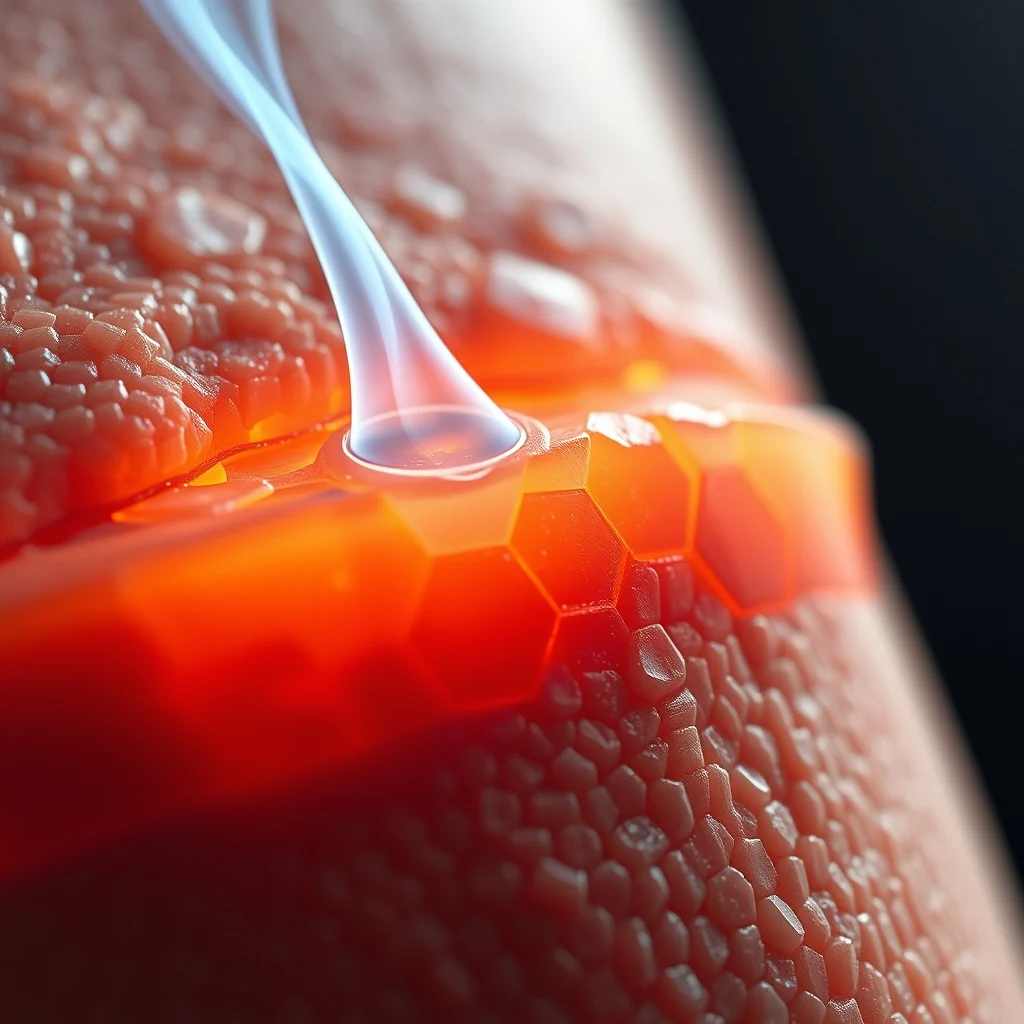
The skin barrier, a dynamic interface between the body and the external environment, has emerged as a central focus in dermatological research and skincare innovation. Over the past decade, rising rates of sensitive skin, eczema, and rosacea—affecting an estimated 60-70% of the global population—have underscored the urgency of addressing barrier dysfunction. This report examines the multifaceted dimensions of skin barrier repair, from molecular mechanisms to consumer-facing therapies, with a focus on evidence-based interventions and stakeholder perspectives.
Executive Summary
Who: Dermatologists, biochemists, skincare formulators, and consumers with compromised skin barriers are the primary stakeholders. Patients with chronic conditions such as atopic dermatitis or psoriasis, as well as individuals exposed to environmental stressors like pollution or UV radiation, represent the most affected demographics.
What: The skin barrier, primarily composed of ceramides, cholesterol, and free fatty acids, serves as the body’s first line of defense against pathogens, allergens, and transepidermal water loss (TEWL). When damaged, it leads to inflammation, dehydration, and increased susceptibility to infections. Recent advancements in barrier repair technologies—including ceramide-rich serums, lipid-replenishing balms, and barrier shield technologies—aim to restore functionality.
When: The shift toward barrier-centric skincare gained momentum in the early 2010s, driven by clinical studies linking barrier dysfunction to chronic skin conditions. By 2020, the global market for barrier repair products reached $3.2 billion, with a projected compound annual growth rate (CAGR) of 7.8% through 2027, according to Grand View Research.
Where: Research and product development are concentrated in dermatological hubs such as the U.S., South Korea, and Europe. South Korea, in particular, has pioneered formulations like Skin Fix MD Barrier First and Ceramide Barrier Repair therapies, which dominate the K-beauty market.
Why: Environmental factors—including urban pollution, climate change, and aggressive skincare routines—have accelerated barrier degradation. A 2022 study published in the Journal of Investigative Dermatology found that 45% of urban dwellers exhibited signs of barrier compromise, compared to 28% in rural areas.
How: Barrier repair strategies range from topical applications (e.g., Restorative Skin Barrier Balm) to systemic interventions like probiotics and dietary adjustments. Clinically proven ingredients such as niacinamide, hyaluronic acid, and phytosphingosine are now standard in formulations targeting moisture barrier restoration.
Historical Context and Stakeholder Landscape
The concept of the skin barrier dates back to the 19th century, when dermatologists first identified the stratum corneum as a critical protective layer. However, it wasn’t until the 1980s that researchers, including Dr. Peter Elias, elucidated the “brick-and-mortar” model, describing the barrier as a lipid matrix interspersed with corneocytes. This discovery laid the groundwork for modern barrier repair therapies.
Key milestones in barrier research include:
- 1983: Elias and colleagues publish foundational research on the lipid composition of the stratum corneum, identifying ceramides as essential components.
- 1995: The first ceramide-based moisturizer, CeraVe, is introduced, revolutionizing eczema treatment.
- 2010: A landmark study in Nature links filaggrin gene mutations to atopic dermatitis, highlighting genetic predispositions to barrier dysfunction.
- 2018: The FDA approves Eucrisa, a non-steroidal topical treatment for mild-to-moderate eczema, emphasizing barrier repair as a therapeutic target.
- 2023: The global barrier repair market exceeds $4.1 billion, with K-beauty brands leading innovation in lipid-replenishing skincare.
Primary stakeholders include:
- Dermatologists and Researchers: Advocate for evidence-based therapies and conduct clinical trials to validate efficacy.
- Skincare Brands: Develop and market barrier repair products, often collaborating with dermatologists to ensure clinical relevance.
- Consumers: Drive demand for accessible, non-prescription solutions, particularly in regions with high pollution levels or extreme climates.
- Regulatory Bodies: Such as the FDA and EMA, which oversee the safety and claims of barrier repair products.
Mechanisms of Barrier Dysfunction and Repair
The skin barrier operates through a complex interplay of structural proteins, lipids, and natural moisturizing factors (NMFs). Disruption occurs through:
- Extrinsic Factors: UV radiation, pollution, harsh cleansers, and over-exfoliation strip the barrier of essential lipids, increasing TEWL by up to 50% in compromised skin (British Journal of Dermatology, 2021).
- Intrinsic Factors: Genetic predispositions (e.g., filaggrin mutations), aging, and chronic inflammation deplete ceramide levels, weakening the barrier’s integrity.
Repair mechanisms target these pathways:
- Ceramide Replenishment: Ceramides constitute 50% of the stratum corneum’s lipid content. Products like SkinCeuticals Triple Lipid Restore deliver a 3:1:1 ratio of ceramides, cholesterol, and fatty acids to mimic the skin’s natural composition.
- Lipid Barrier Restoration: Formulations containing squalane, shea butter, and phospholipids restore the lipid matrix, reducing TEWL by an average of 30% within four weeks (Journal of Cosmetic Dermatology, 2020).
- Acid Mantle Strengthening: The skin’s pH, typically 4.5-5.5, is maintained by lactic and amino acids. Disruption (e.g., from alkaline soaps) triggers inflammation. Products like La Roche-Posay Toleriane use prebiotic thermal water to stabilize pH.
- Cell Matrix Repair: Peptides and growth factors stimulate keratinocyte proliferation, accelerating barrier recovery. A 2022 study in Dermatologic Therapy found that epidermal growth factor (EGF) reduced recovery time by 40% in post-procedure skin.
Quantitative Data and Market Trends
The barrier repair market is segmented by product type, with moisturizers and serums dominating sales. Below is a breakdown of market share by category (2023 data):
| Product Category | Market Share (%) | Key Ingredients | CAGR (2023-2028) |
|---|---|---|---|
| Moisturizers | 45 | Ceramides, hyaluronic acid, glycerin | 6.2% |
| Serums | 25 | Niacinamide, peptides, EGF | 8.5% |
| Cleansers | 15 | Sulfate-free surfactants, colloidal oatmeal | 5.1% |
| Balm/Ointments | 10 | Petrolatum, lanolin, beeswax | 4.8% |
| Supplements | 5 | Omega-3s, collagen, probiotics | 9.3% |
Consumer behavior reflects a growing preference for multi-functional products. A 2023 survey by The NPD Group found that 68% of skincare consumers prioritize products with barrier repair claims, up from 42% in 2018. Additionally, the rise of “skin flooding”—a trend emphasizing hydration and barrier support—has driven sales of hydrating skin barrier fix products by 22% year-over-year.
Systemic Impacts and Competing Perspectives
The implications of barrier dysfunction extend beyond dermatology. A compromised barrier is linked to systemic inflammation, autoimmune disorders, and even mental health conditions. A 2021 study in JAMA Dermatology found that patients with atopic dermatitis had a 44% higher risk of developing depression, underscoring the psychological burden of chronic skin conditions.
Stakeholder perspectives vary on the best approaches to barrier repair:
- Dermatologists: Advocate for a “less is more” approach, emphasizing gentle cleansers and ceramide-based moisturizers. Dr. Whitney Bowe, a board-certified dermatologist, states, “The skin barrier is not just a passive shield; it’s an active ecosystem. Overloading it with too many actives can do more harm than good.”
- Skincare Brands: Push for innovation in delivery systems, such as encapsulated ceramides or time-release formulations. Dr. Shereene Idriss, a cosmetic dermatologist, notes, “The future of barrier repair lies in smart skincare—products that adapt to the skin’s needs in real time.”
- Consumers: Demand transparency and efficacy. A 2023 report by Mintel revealed that 72% of consumers distrust marketing claims about barrier repair, preferring products with clinical backing.
- Regulators: Scrutinize claims to prevent misleading advertising. The FDA has issued warnings to brands making unsubstantiated claims about “instant barrier repair” or “permanent solutions.”
Environmental advocates highlight the role of pollution in barrier degradation. A study by the Environmental Working Group found that urban residents exposed to high levels of PM2.5 particles exhibited a 35% increase in TEWL. This has led to calls for policy interventions, such as stricter air quality regulations and public health campaigns on protective skincare.
Emerging Technologies and Future Directions
Innovation in barrier repair is accelerating, with several technologies poised to disrupt the market:
- Barrier Shield Technology: Products like Neutrogena Hydro Boost use polymer-based shields to lock in moisture while allowing the skin to breathe. Clinical trials show a 25% reduction in TEWL after 24 hours of use.
- Microbiome Modulation: Probiotic skincare, such as Mother Dirt’s AO+ Mist, introduces beneficial bacteria to restore the skin’s microbiome, reducing inflammation by 30% in clinical studies.
- AI-Driven Personalization: Brands like Curology use machine learning to analyze skin barrier health and recommend customized formulations. A 2023 pilot study found that AI-recommended regimens improved barrier function by 40% compared to generic routines.
- Gene Therapy: Early-stage research explores gene editing to correct filaggrin mutations, though clinical applications remain years away.
Regulatory milestones on the horizon include the FDA’s review of new drug applications for non-steroidal barrier repair therapies. Additionally, the European Union is expected to tighten regulations on “clean beauty” claims, which often lack scientific validation. Market catalysts include the growing adoption of teledermatology, which enables remote monitoring of barrier health, and the expansion of barrier repair products into emerging markets like India and Brazil, where pollution levels are rising.
The skin barrier’s role in overall health is increasingly recognized, yet gaps remain in public awareness and access to effective treatments. While advancements in cell matrix repair and lipid-replenishing skincare offer promising solutions, the challenge lies in balancing innovation with evidence-based practices. As research uncovers deeper connections between the skin barrier and systemic health, the next decade may see barrier repair evolve from a cosmetic concern to a public health priority, with implications for dermatology, immunology, and beyond.
You may also like
-
Clinical Precision in Dermatology: A Multidimensional Analysis of Medical-Grade Solutions for Acne, Eczema, and Sensitive Skin Barriers
-
Targeted Actives for Sensitive Skin: A Multidimensional Analysis of Clinical Efficacy, Ingredient Synergy, and Dermatological Innovation
-
The Science of Skin Barrier Repair: Mechanisms, Therapeutic Innovations, and the Role of Lipid Replenishing Skincare in Modern Dermatology
-
The Evolving Landscape of Medical-Grade Skincare: Clinical Solutions for Acne, Eczema, and Sensitive Skin Barriers in 2024
-
The Gut-Skin-Hormone Axis: A 360-Degree Examination of Internal Triggers in Chronic Skin Conditions